![]() |
Widow Maker The Black Widow is considered the most venomous spider in North America. Its venom is 15 times as toxic as the venom of the prairie rattlesnake. I found this one in the Las Vegas area. ![]()
| Mellow Yellow The Banana Slug can grow up to 12 inches and is the world's second largest slug. This one was near a creek in Northern California. ![]()
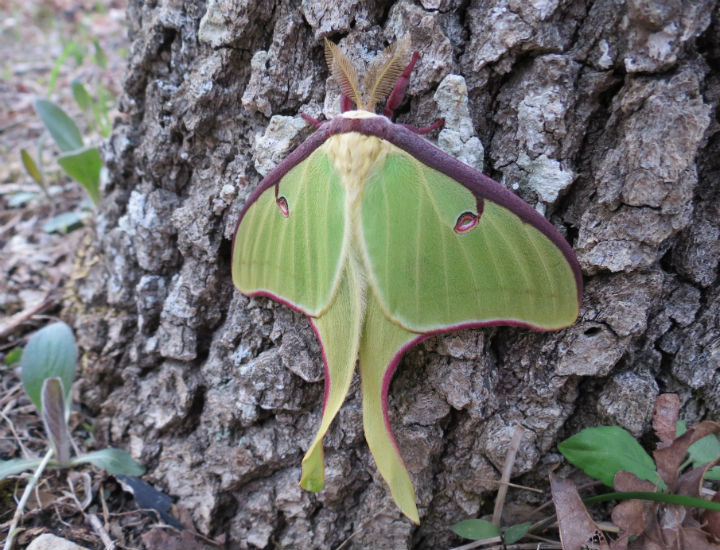
Here's Looking at You
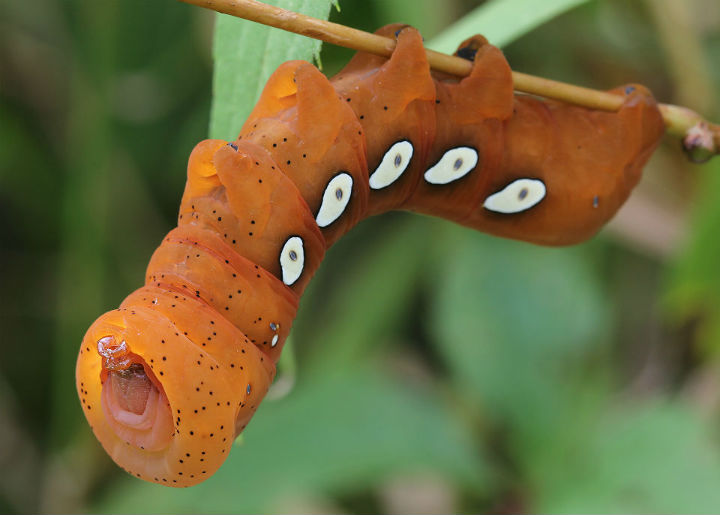
| The Polyphemus moth is a North American member of the family Saturniidae, the giant silk moths. It is tan in color, with an average wingspan of 6 inches. The most notable feature of the moth is its large, purplish eyespots on its two hindwings. Click here to read a Polyphemus story ![]()
Buzz Kill
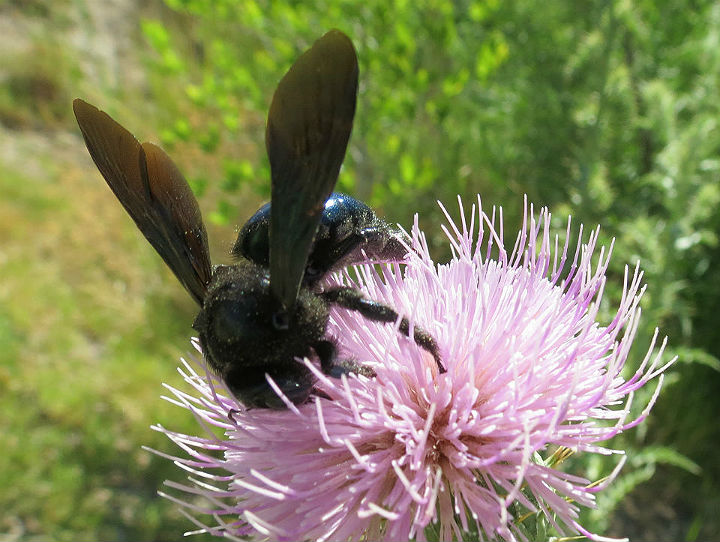
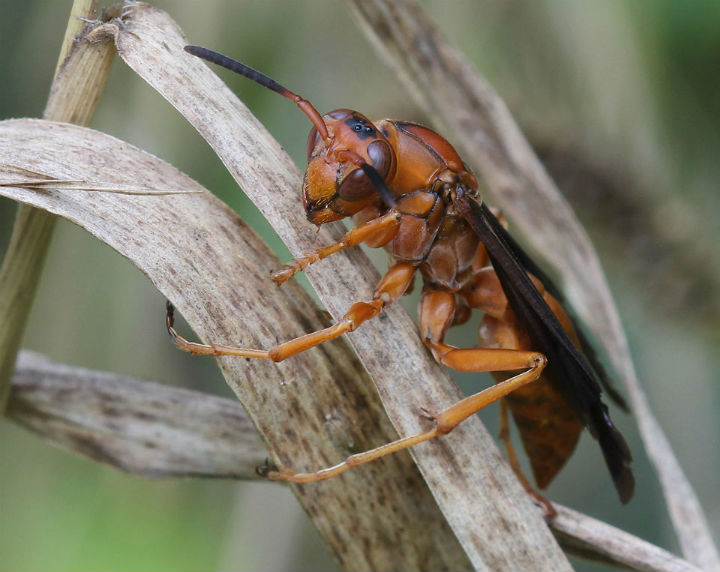
| Cicada Killer wasps attract attention due to their large size, the burrows that they dig in home lawns, and their buzzing sound they make when flying. I found this one in my basement. ![]()
Solifugae
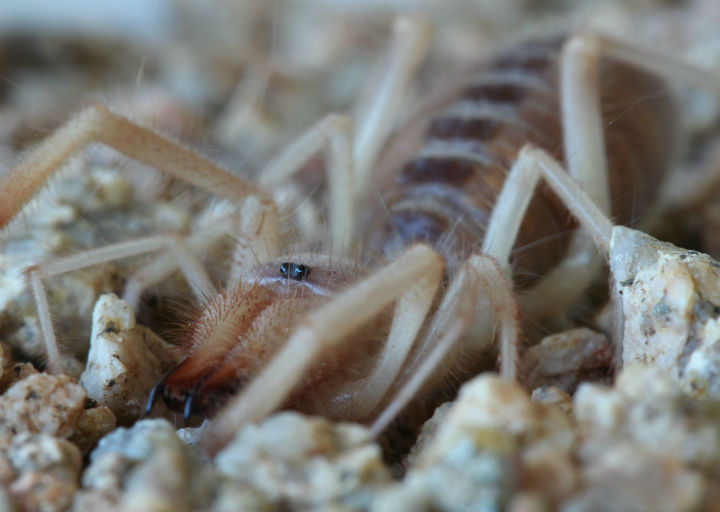
| Though their common names include camel spider, wind scorpion, sun scorpion and sun spider - solifugae are neither scorpions nor spiders. The name derives from Latin, and means "those that flee from the sun." I found this one in the Mojave Desert. ![]()
Crawdaddy
| A fine-looking crayfish from a West Coast creek. ![]()
Double Dose
| These large millipedes were found in Central Ohio. ![]()
Mantis Fly
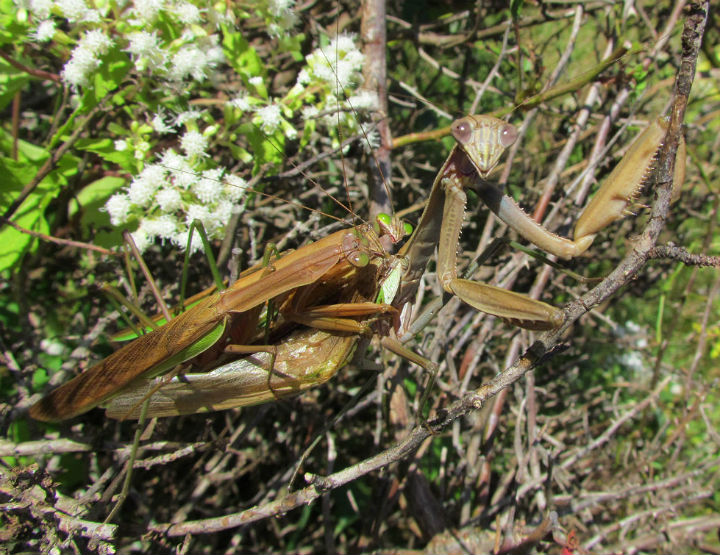
| Neither a mantis nor a fly, this is a relative of lacewings and it is a great example of convergent evolution, as the shape of its grasping front limbs are the same as those of the totally unrelated praying mantis. Natural selection can reach similar solutions to similar problems from very different starting points. ![]()
Jar Fly
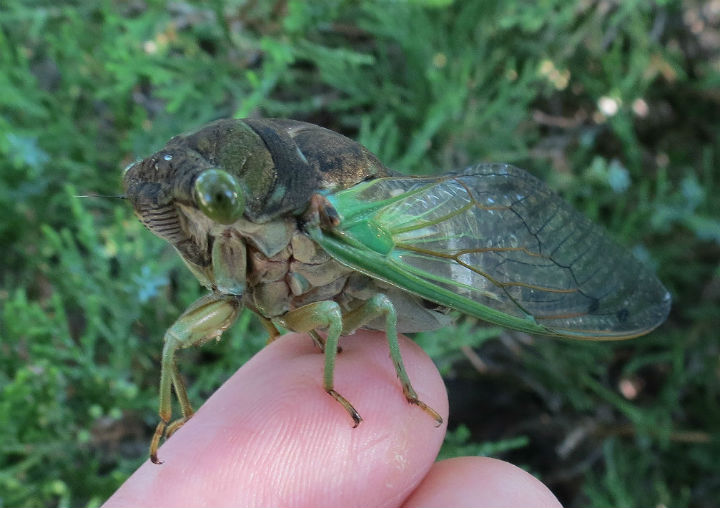
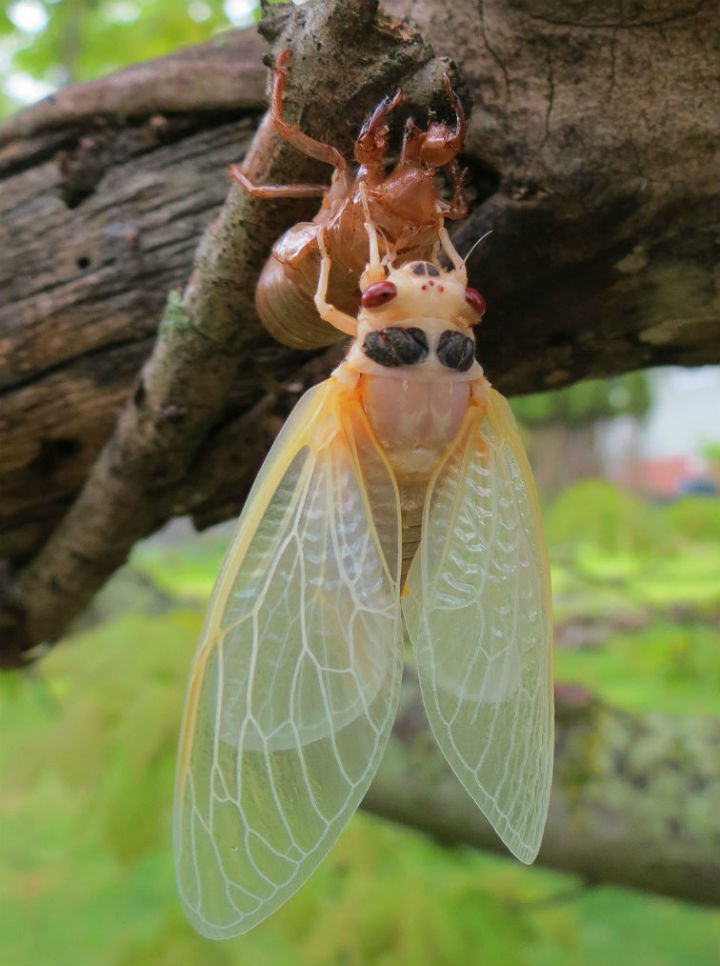
| Cicadas are related to leafhoppers and spittlebugs (not locusts, as they are often called). This one was found emerging from its exoskeleton on a tree in my backyard. ![]()
Spider Street
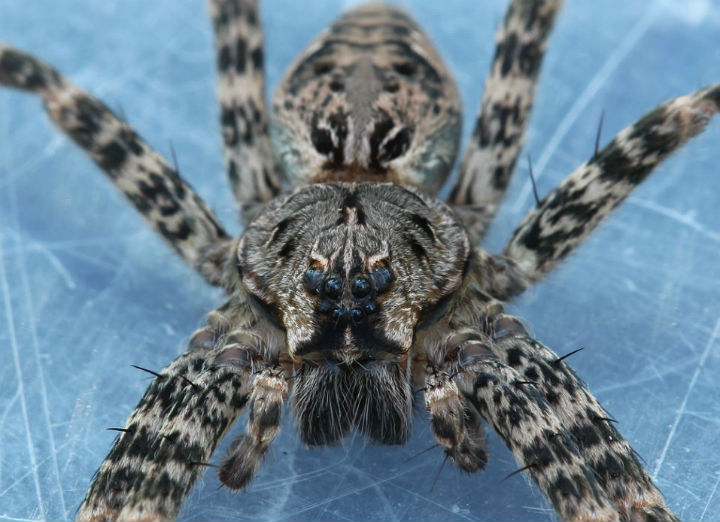
| Many of these large spiders were seen crossing the road in Las Vegas in June - their eyes reflected the headlights of the car. ![]()
Devil's Darning Needle
| Dragonflies typically eat mosquitoes and other small insects. They are valued as predators, since they help control populations of harmful insects. ![]()
Toe Biter
| This giant waterbug was found in a California creek. ![]()
Big Beetle
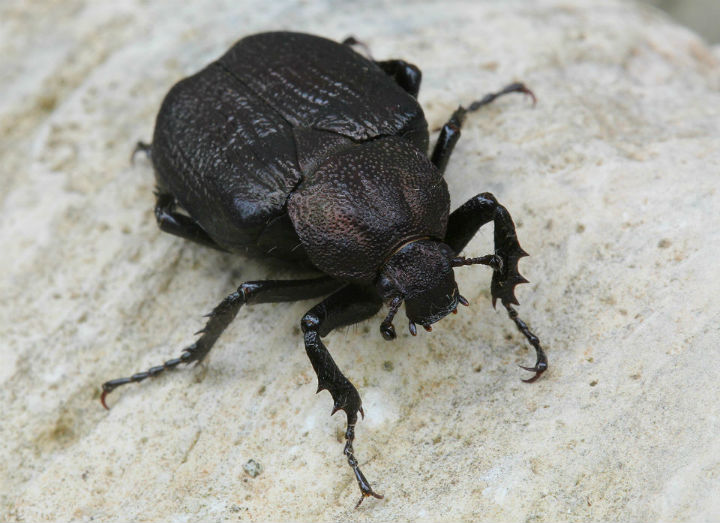
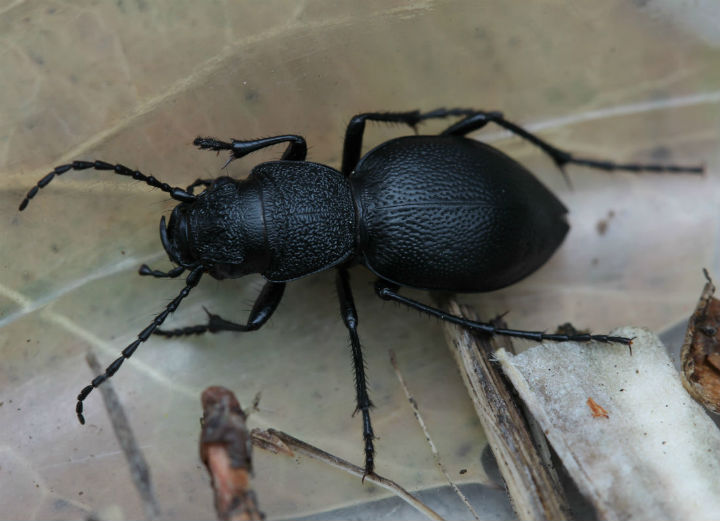
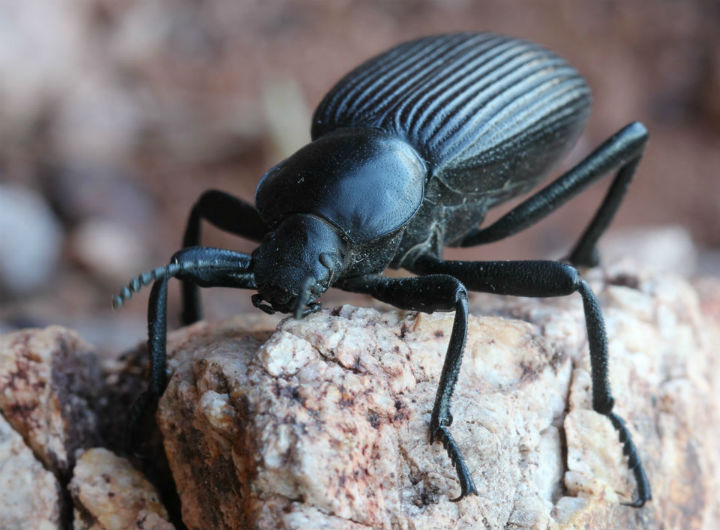
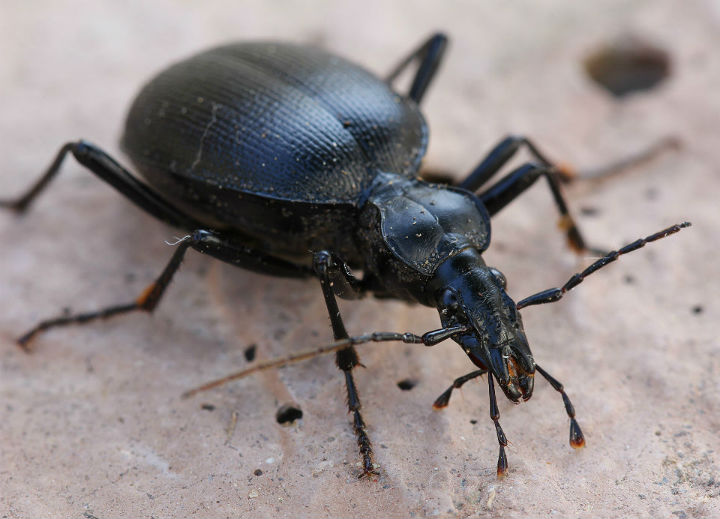
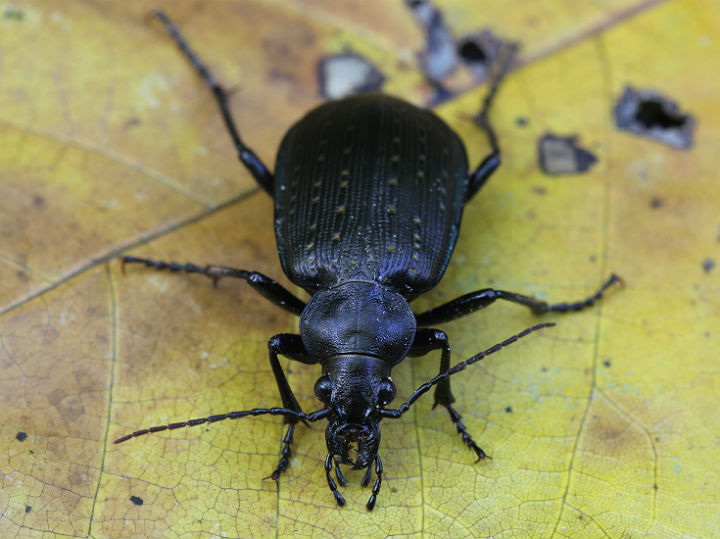
| This beetle is sometimes called the desert skunk beetle. When threatened, it will raise up on its back legs to stick its bottom in the air. This is a warning to stay back. For protection, it can emit a bad smelling odor. ![]()
Sting Thing
| The giant desert hairy scorpion is the largest native scorpion inhabiting the the United States. Its large size allows it to feed readily on other scorpions and a variety of other prey, including lizards and snakes. ![]()
She did?
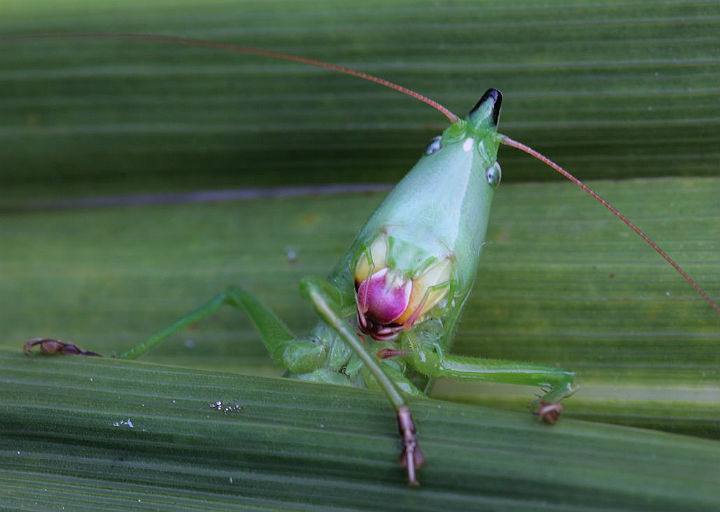
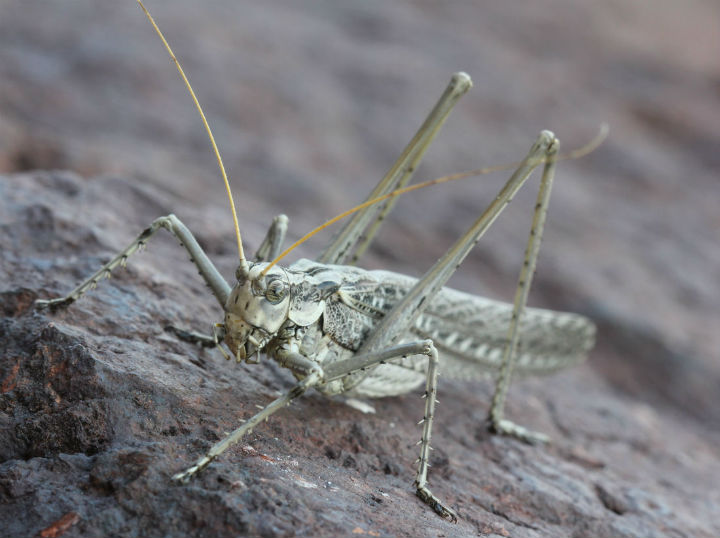
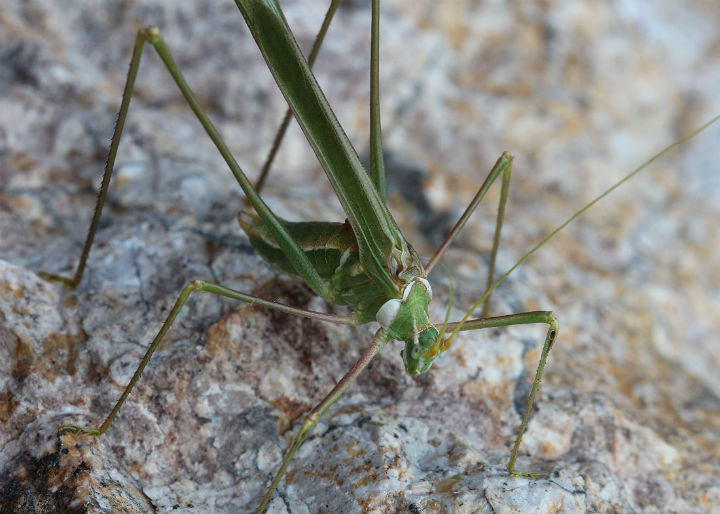
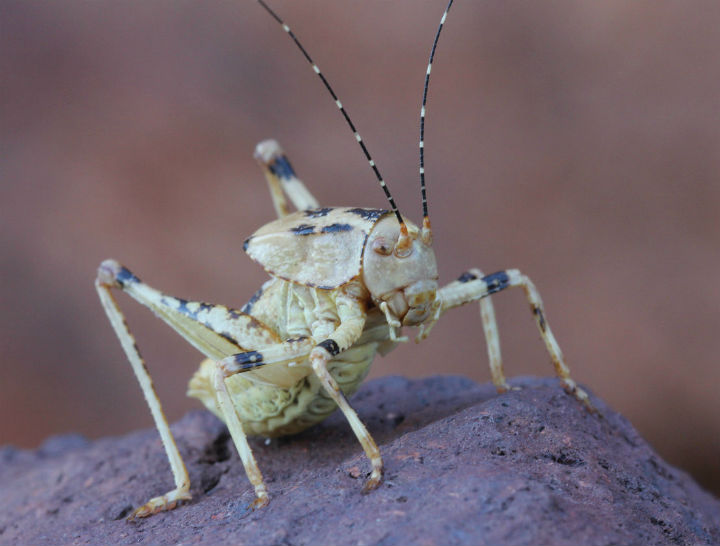
| Though they are known as long-horned grasshoppers, katydids are more closely related to crickets. They may be distinguished from grasshoppers by the length of their antennae, which may exceed their own body length, while grasshoppers' antennae are always relatively short. ![]()
Hundred Legger
| I found this pretty large centipede in Northern California. ![]()
Wicked Wasp
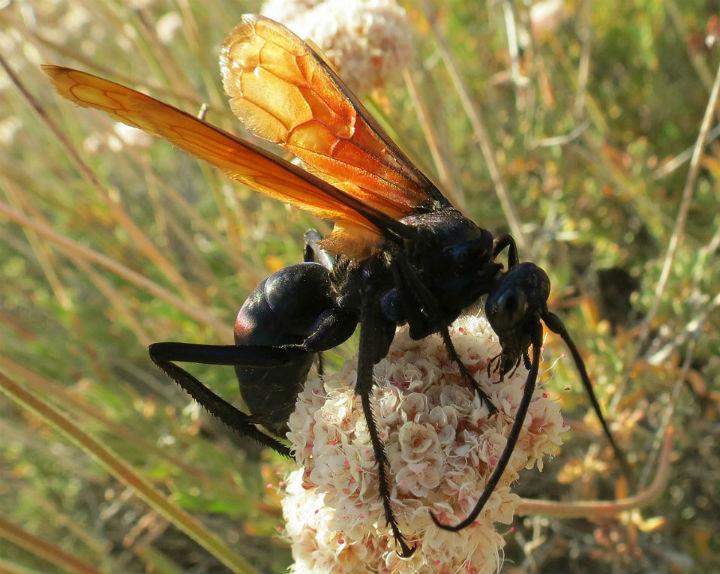
| Although Tarantula Hawks are legendary for their spider slaying abilities and excruciatingly painful sting, these wasps also like nectar and have been known to become "flight challenged" after consuming fermented fruit. ![]()
Splendid Scarab
| A Splendid Earth-boring Beetle (Geotrupes splendidus) found in Brecksville Metroparks in October 2009. |