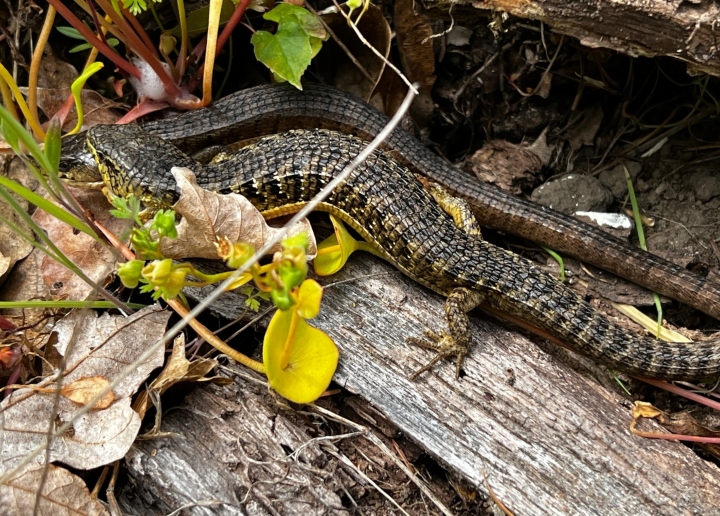
TIDEPOOLING & SANTA CRUZ COUNTY
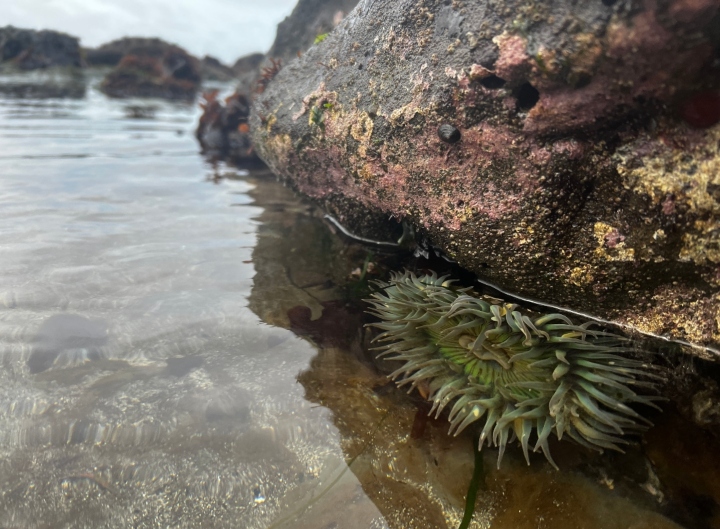
I did some tidepooling on my trip - the Giant Green Anemone prefers to inhabit sandy or rocky shorelines, where water remains for most of the day.
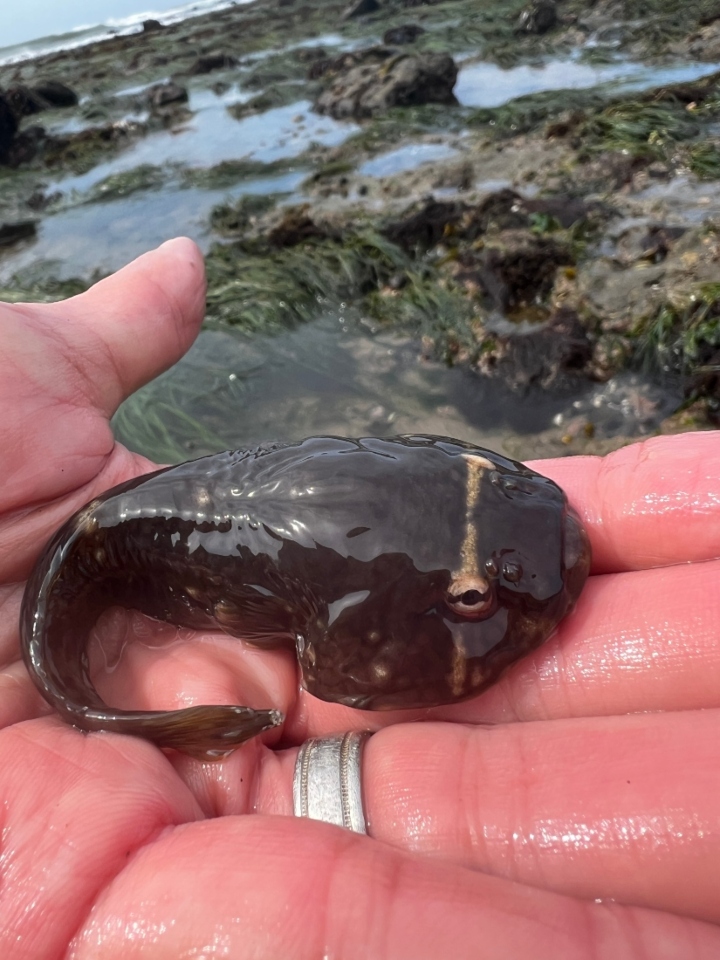
The Northern Clingfish uses its pelvic fins to form an adhesive disk, which it uses to stick itself strongly to rocks and plants.
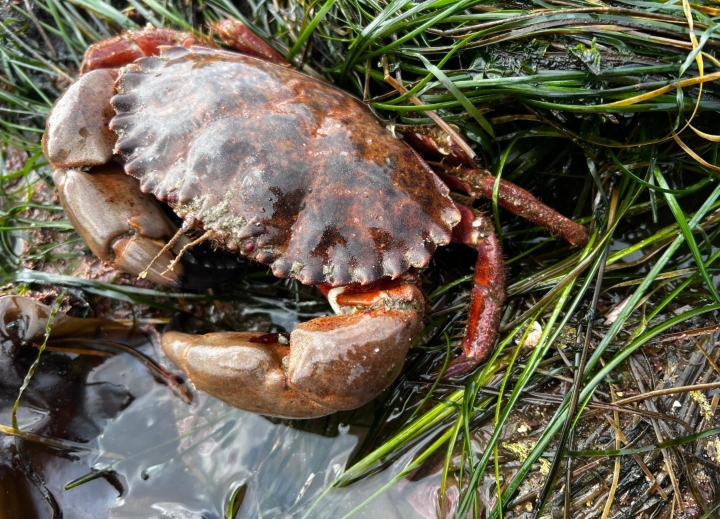
Red Rock Crab - this species is commonly nicknamed the Pearl of the Pacific Northwest.
I found a "lifer" fish - this High Cockscomb - this species can breathe air, allowing it to survive for 15–25 hours out of water if moist.
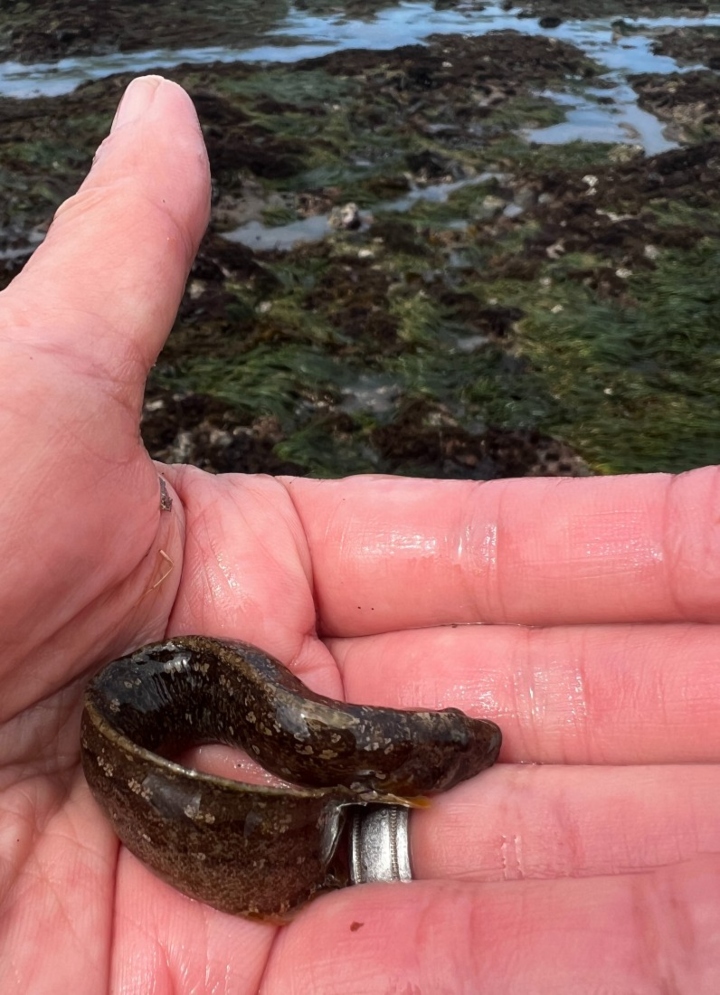
An Angular Unicorn, a species of predatory snail.
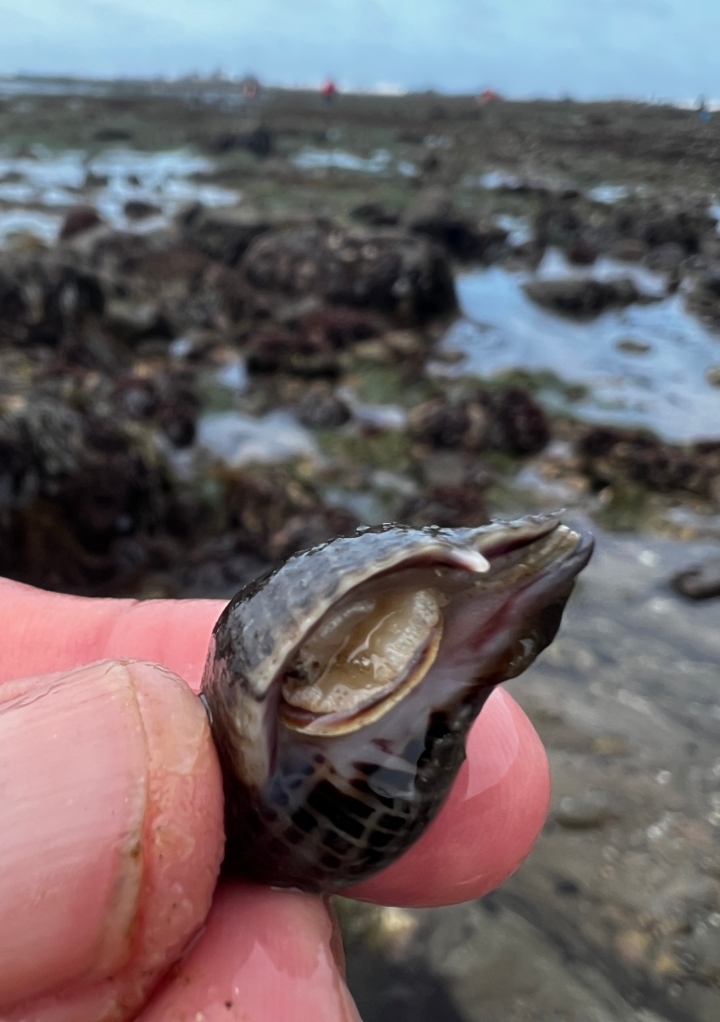
Woolly Sculpin - It gets the common name “woolly” from the abundant hairlike filaments present on its head and alongside its dorsal fin.
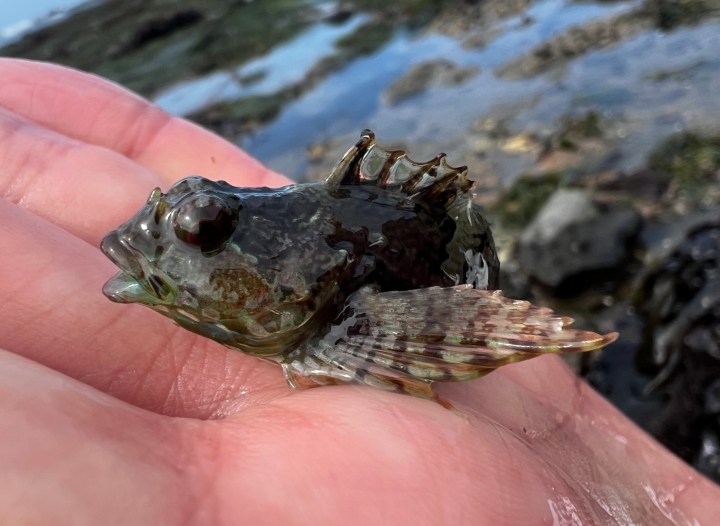
The Black Prickleback has an elongated eel-like body and is dark reddish brown to black in color with a pale head.
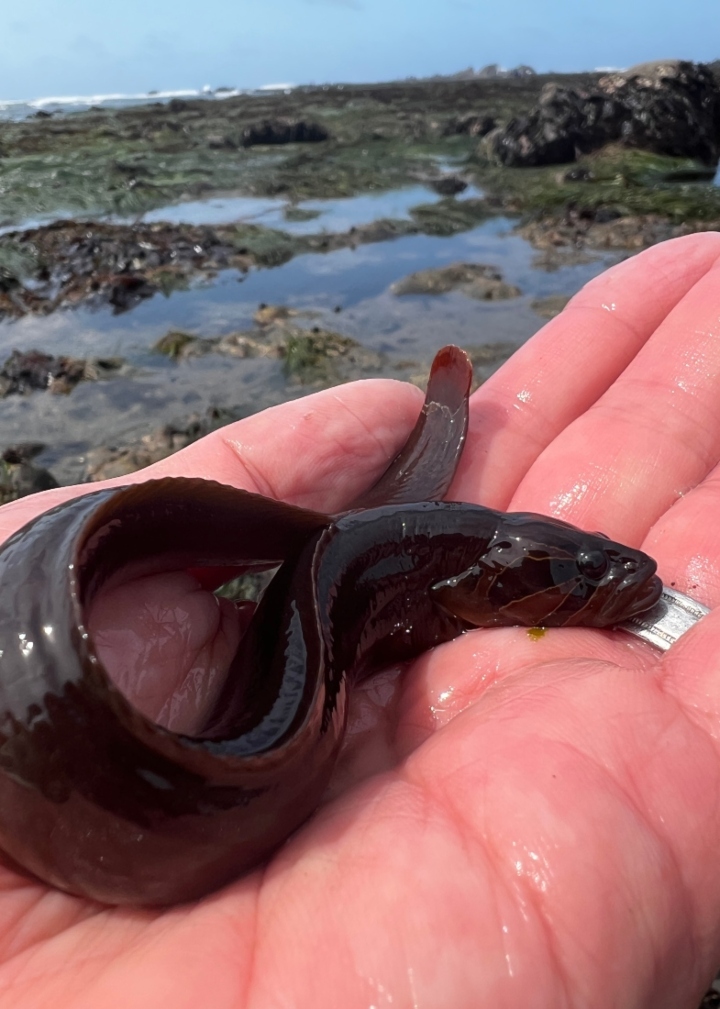
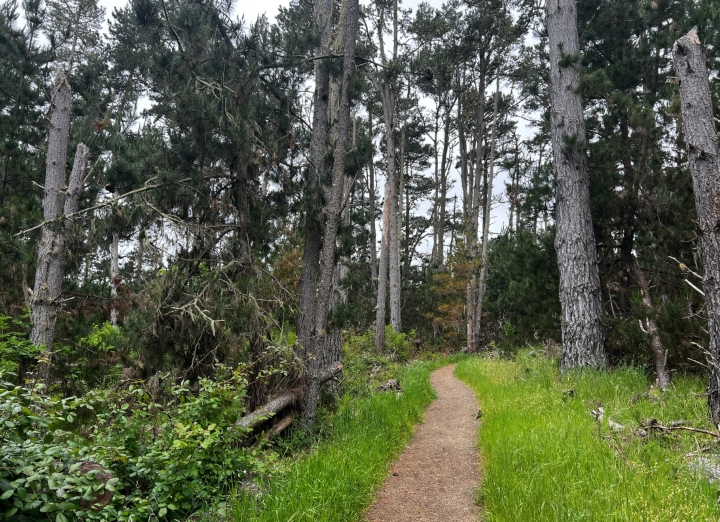
Herp Habitat on Santa Cruz County.
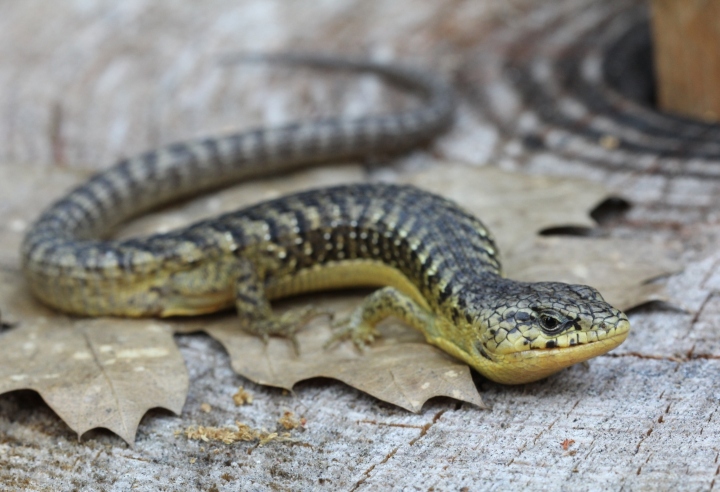
A San Francisco Alligator Lizard with more yellow than usual. These reptiles give birth to live young.
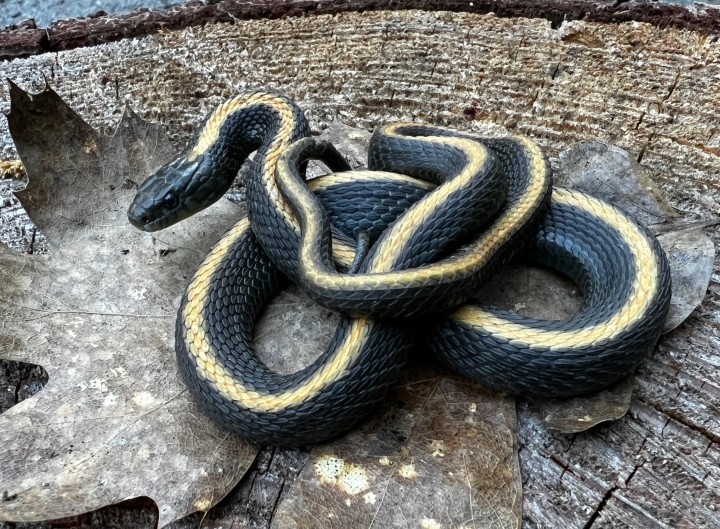
There was a neat range of "looks" in the Santa Cruz Garter Snakes that I encountered - this one had a green head.
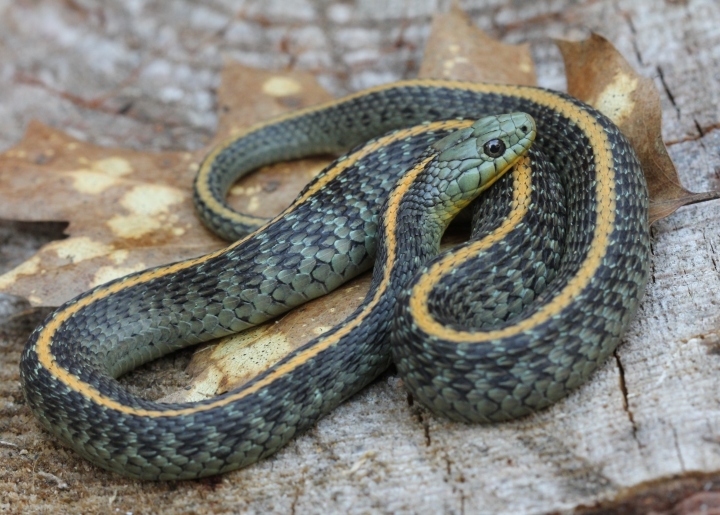
This Santa Cruz Garter had a more narrow than usual dorsal stripe.
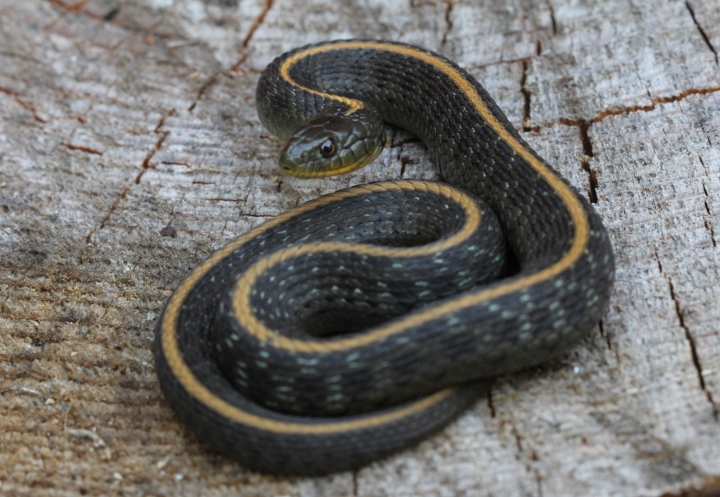
And this one had a particularly bright yellow dorsal stripe.
San Francisco Alligator Lizard courtship activity.