8213 Wyatt Road
Broadview Heights, OH 44147
tim@thirdeyeherp.com
|
Natural Paradise
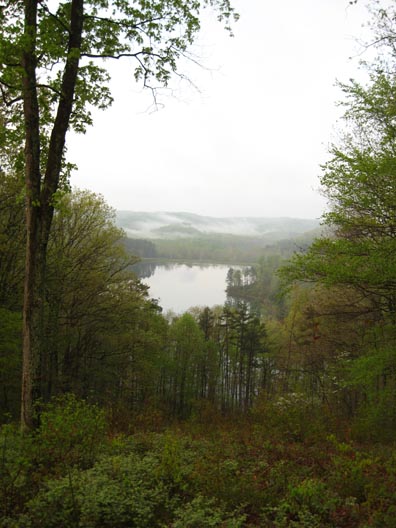
Located within the 26,824-acre Zaleski State Forest in the valley of Big Sandy Run, Lake Hope offers many opportunities to observe nature. 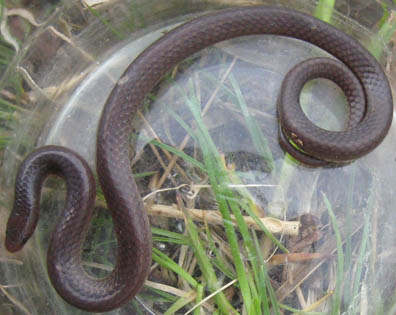
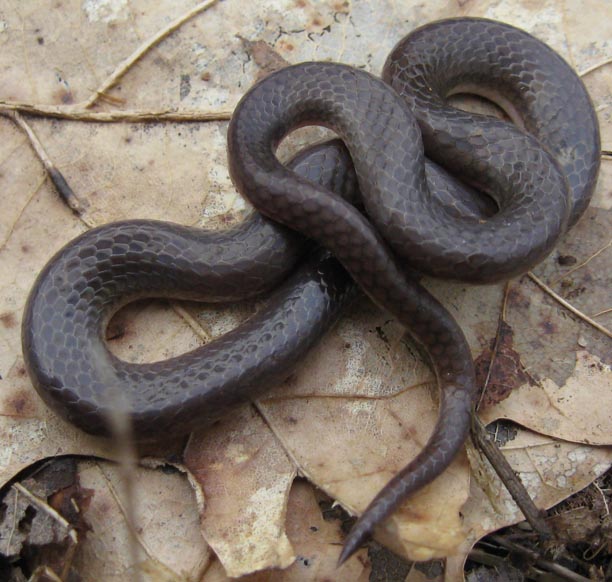
| Small Serpent The first snake I found on the trip was this Midwest Worm Snake - it's the first time I've ever encountered one. It is a secretive woodland reptile usually found in deciduous forests. Click here to see another pic 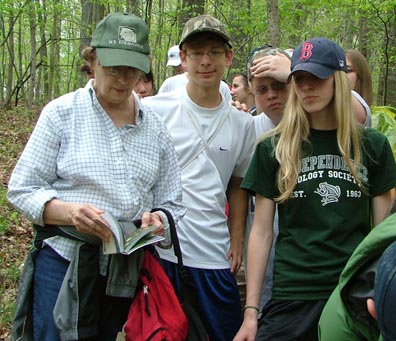
Flower Power
| Donna Harlan instructs the students and identifies some wildflowers seen on the hike. 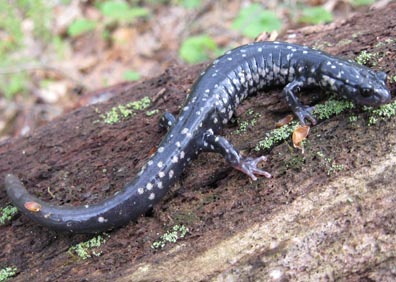
Sticky Situation
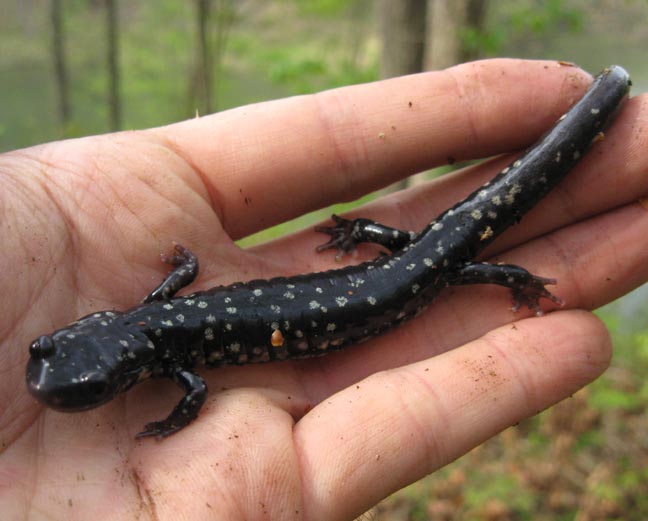
| As a defense mechanism, the Slimy Salamander's skin glands secrete a glue-like substance which makes them unappealing to predators. Click here to see another pic 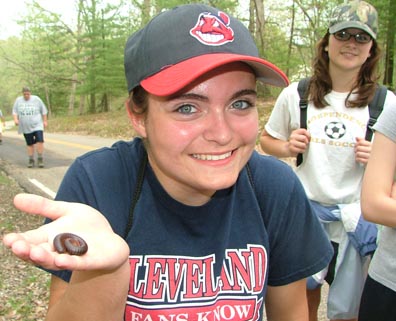
Mary's Millipede
| The damp conditions made finding a few different types of millipedes fairly easy. 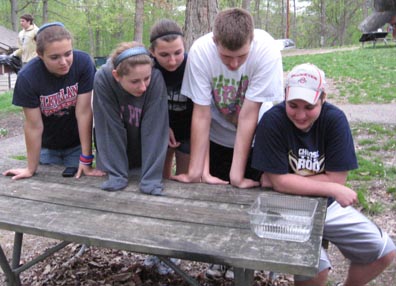
Turtle Time
| The students check out a Stinkpot Turtle that I caught in the lake. 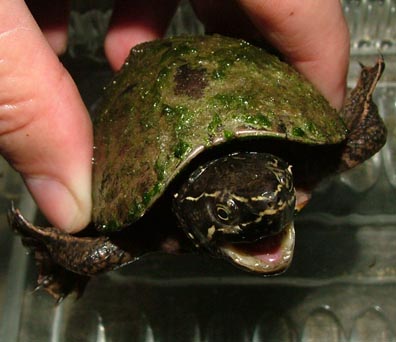
Cranky Chelonian
| Stinkpots are named because of their musk glands, which produce a smell that can be very strong. Stinkpots are also fairly aggressive when restrained. 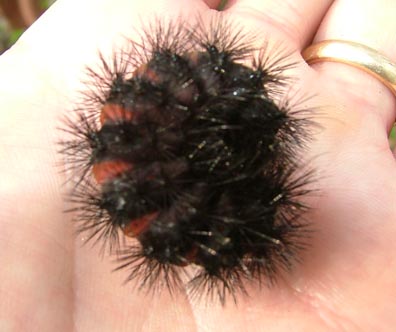
No Small Caterpillar
| This spiky caterpillar is that larva of a Giant Leopard Moth. 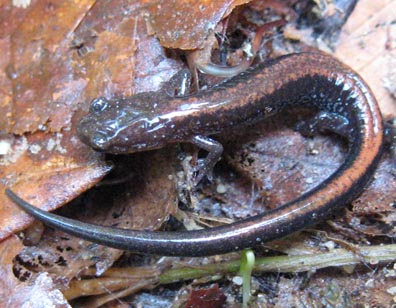
Lungless
| Redback Salamanders were by far the most commonly seen herp on the trip. They live on land for their entire life and don't have lungs or gills - they breathe through their skin. 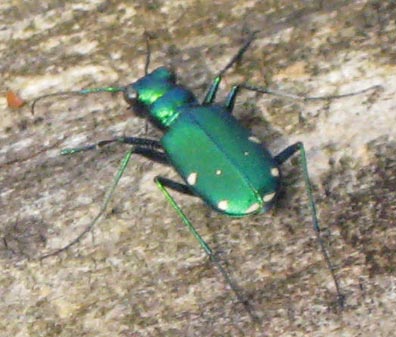
Metallic Green
| Tiger Beetles are fast-moving and named because they feed on a wide variety of insects - they are considered to be beneficial to man. 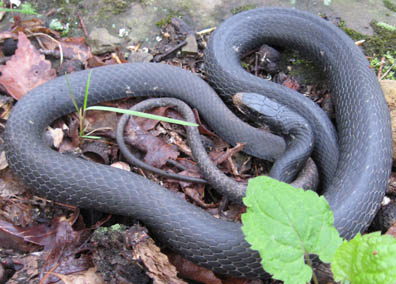
Speedy Serpent
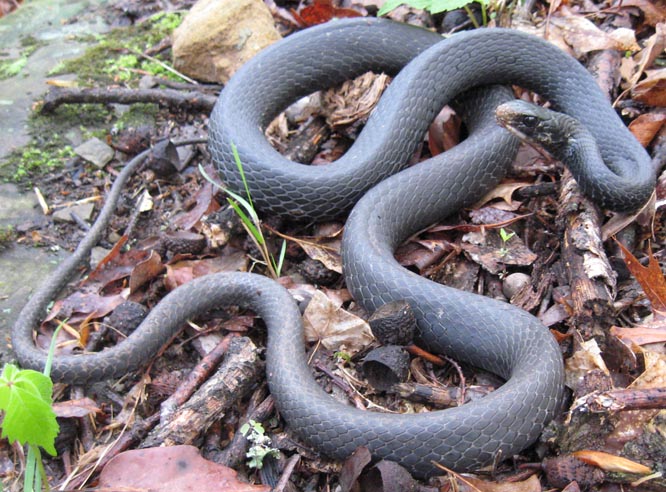
| Racers are faster than most other snakes, very agile, and generally flee when approached. If cornered, however, they do not hesitate to bite. Click here to see another pic 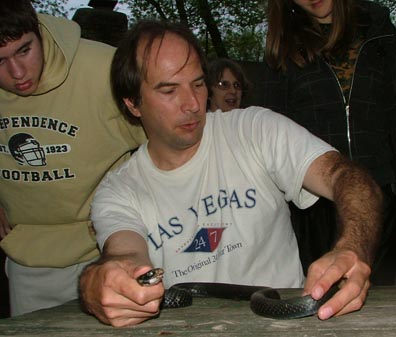
Snake Talk
| I give the students an overview of the lifestyle and habits of Black Racers. |