Herping Snake Road (and the surrounding area) October 3 - 9.
The first place I stopped was in central Illinois. It is a public fishing area where I visited before on a quest for a "lifer" snake that had thus far eluded me.
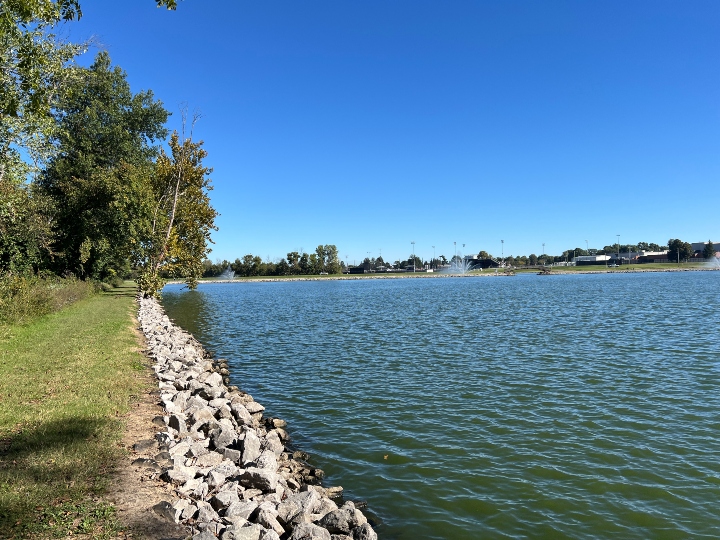
As it turned out, that very snake was the first one that I found on the trip - a Graham's Crayfish Snake.
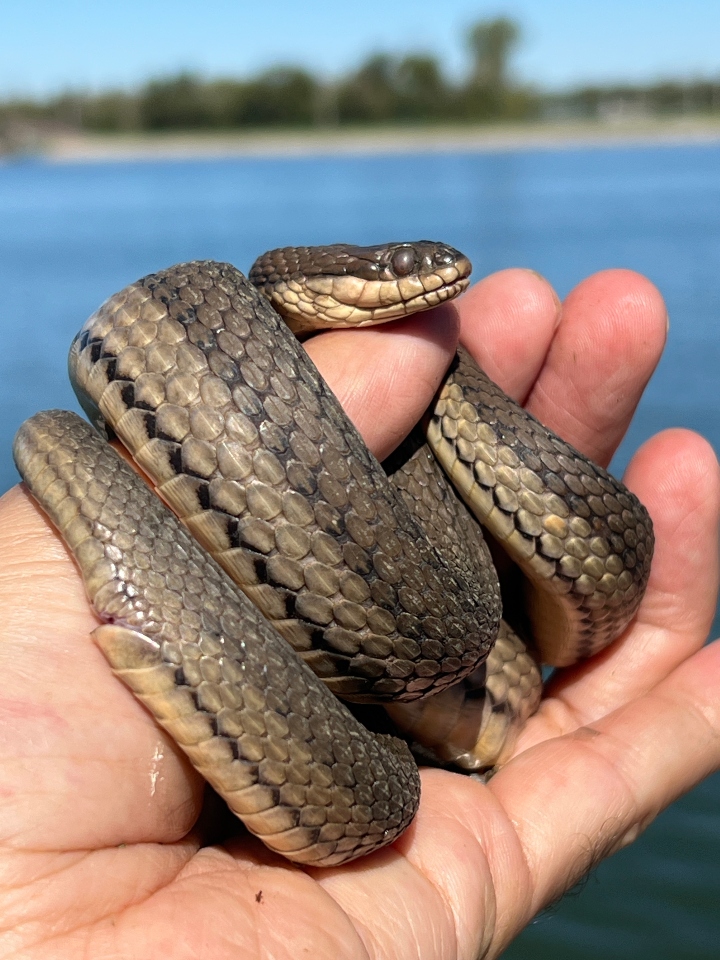
This reclusive, semiaquatic snake often takes shelter under rocks or logs, and other debris at the water’s edge, but also spends some of its time in crayfish burrows. It commonly basks on rocks at the edge of water and branches overhanging water.
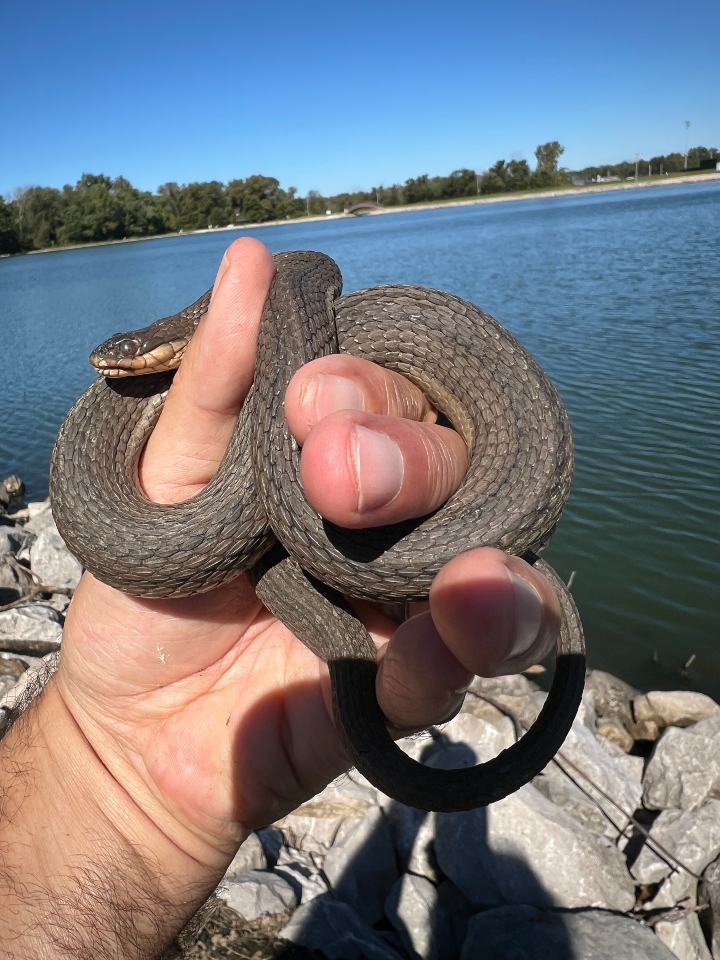
This large and interestingly colored and patterned Eastern Garter Snake was also found along the water's edge.
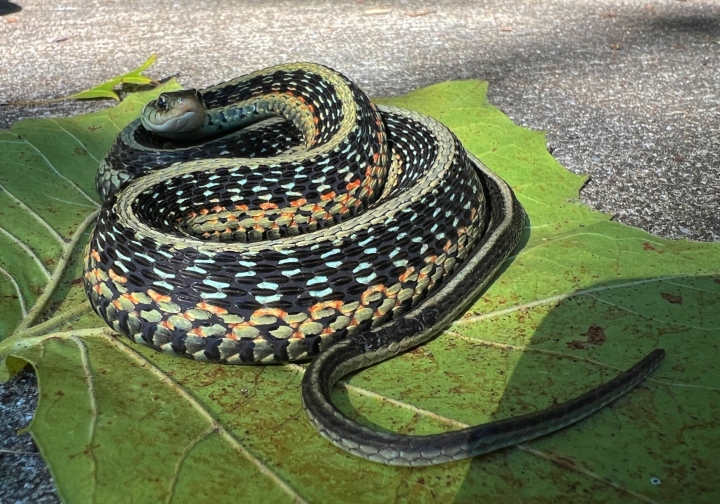
A hefty Diamondback Water Snake was also on the scene. This species is heavy bodied with greenish-brown to brown hues and a dark net-like pattern formed by dark blotches along the back, with each spot being vaguely diamond-shaped.
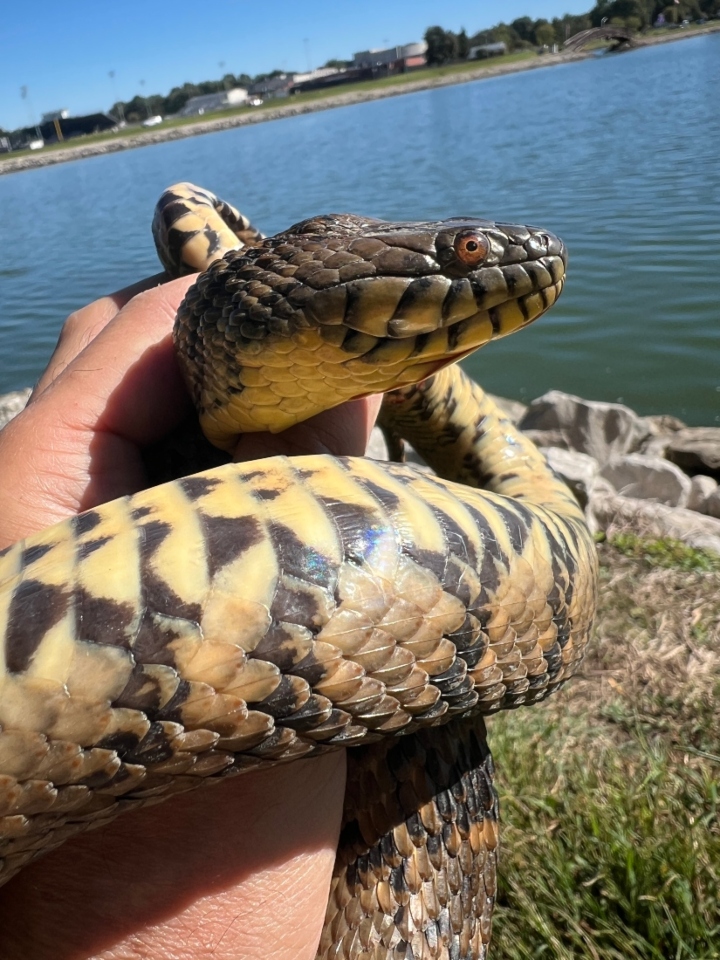
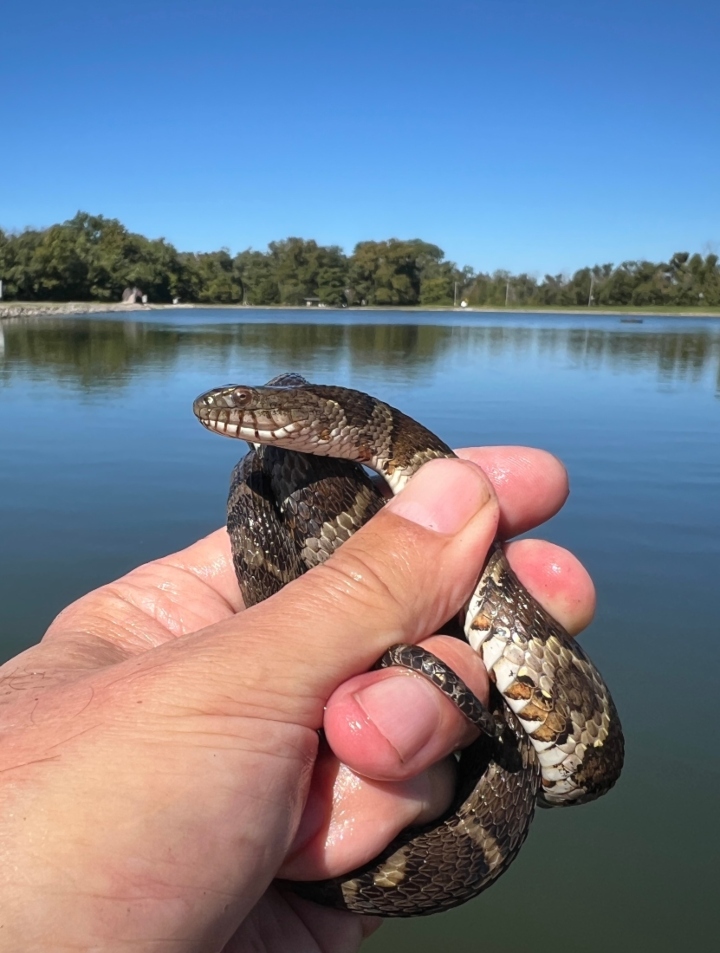
By far, the most commonly encountered snake at this site is the Midland Water Snake. Usually I see several each time that I visit. This is the first time that I saw four species here and a great way to start off the trip.
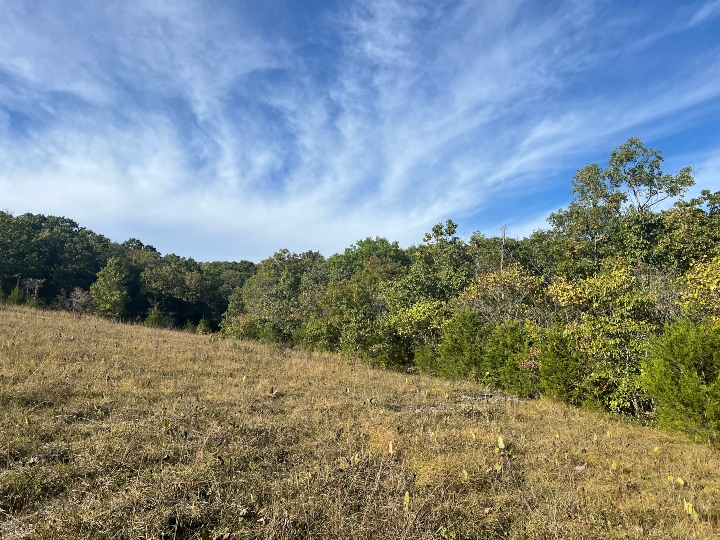
I drove north and eventually crossed the Mississippi River into Missouri to investigate glades habitats.
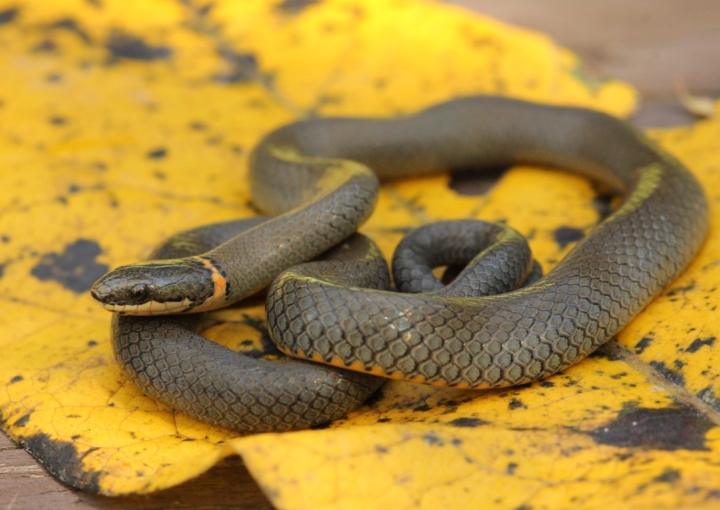
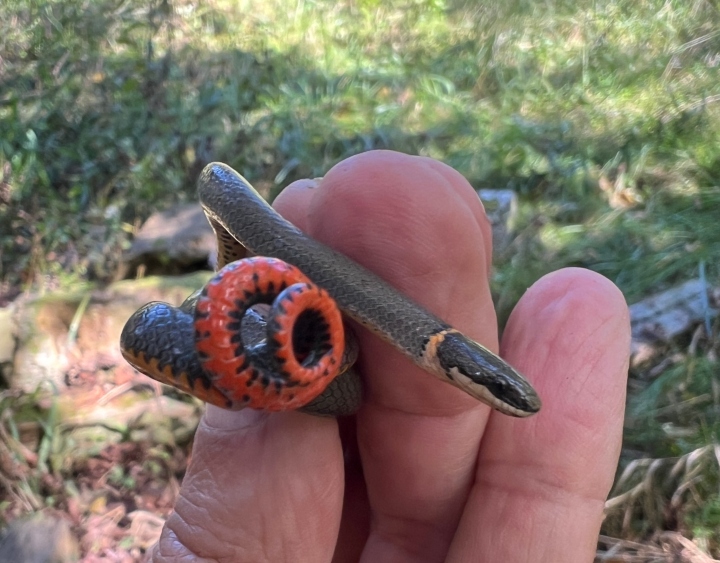
Prairie Ringnecks Snakes were my most frequently seen serpents in this setting. Ringneck Snakes are easily recognizable by their small size, uniform dark color on the back, bright yellow-orange belly, and distinct yellow ring around the neck.
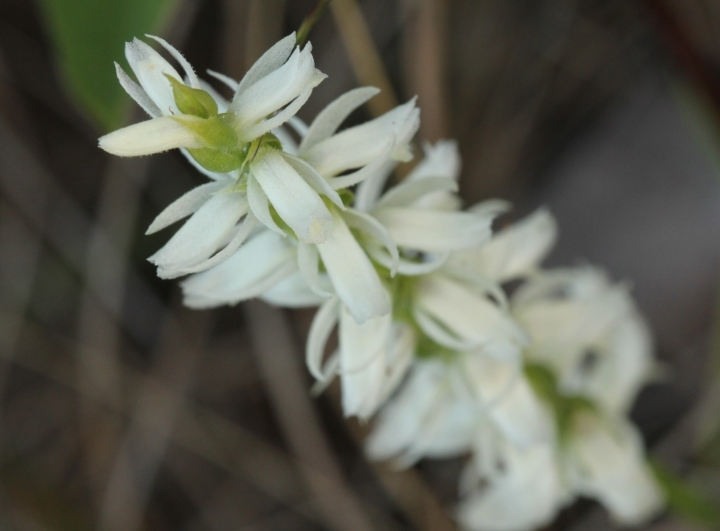
Nodding Lady's Tresses were in bloom in a few places that I visited.
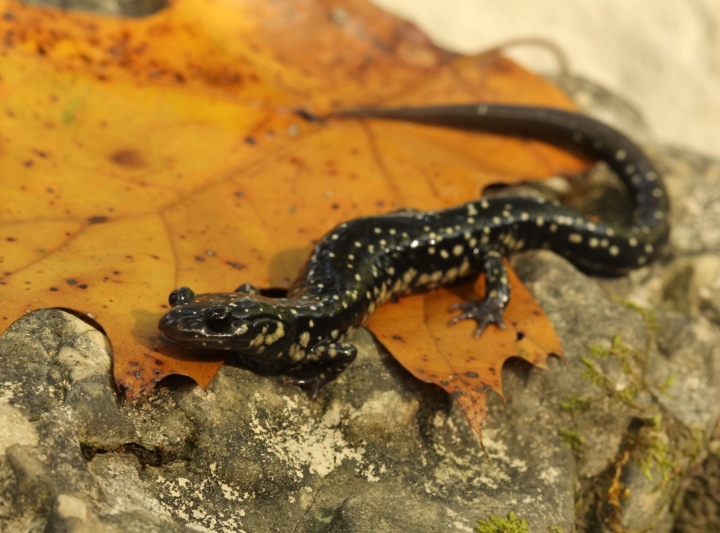
A Western Slimy Salamander - this amphibian releases a sticky substance as a defense mechanism.
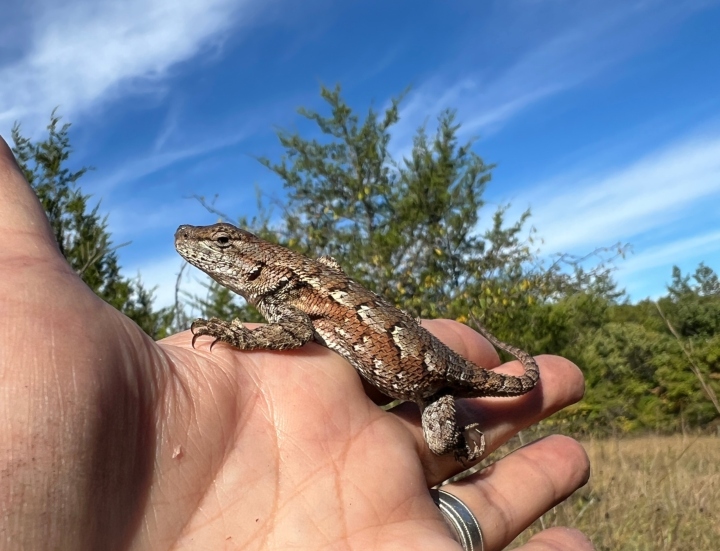
Prairie Lizard - these lizards are extremely fast. When startled, they will often seek refuge in nearby vegetation or burrows. They also commonly escape capture by running up trees.
Ringneck Snakes curl their tails into a tight corkscrew shape as a defense strategy to startle predators by exposing their brightly colored red, orange, or yellow underbelly.
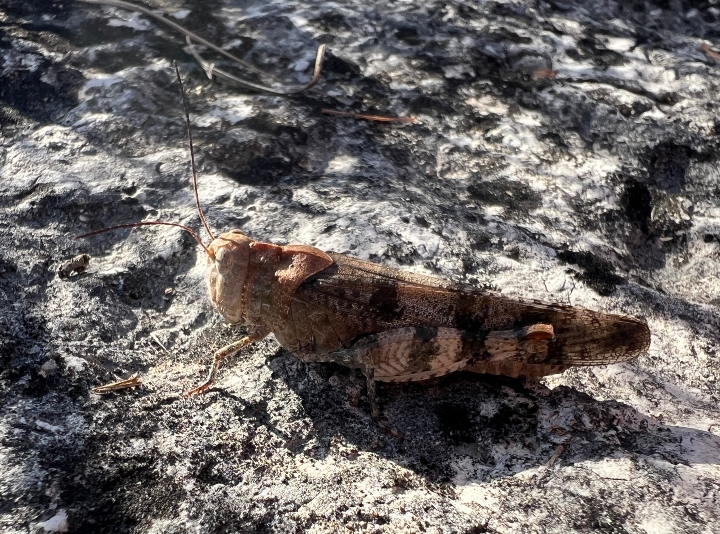
There are many cool insects that reside in glades habitats - this is the Three-Banded Grasshopper.
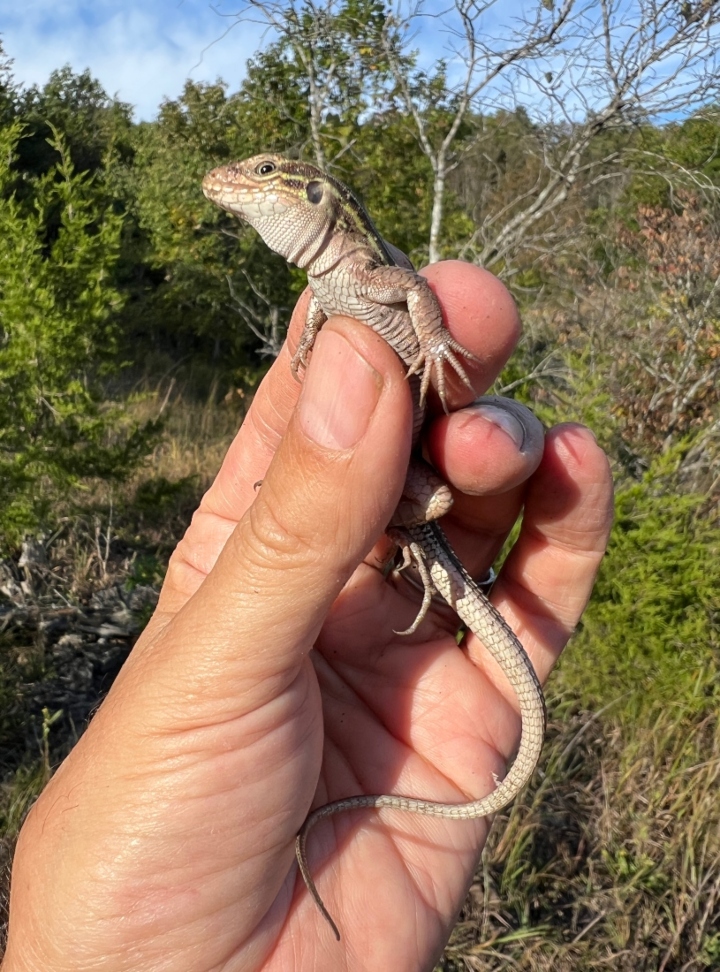
Prairie Racerunners are well-named - they are extremely quick.
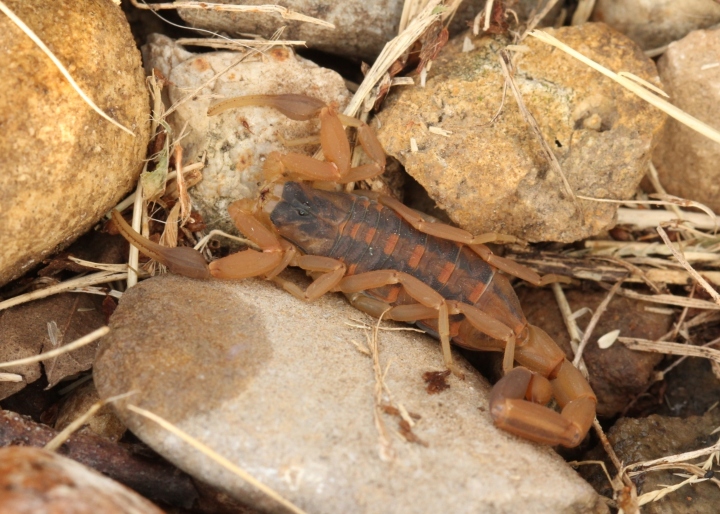
At less than three inches in total length, the Striped Bark Scorpion is easily identified by being a uniform pale-yellow in color with two dark, longitudinal stripes on its back.
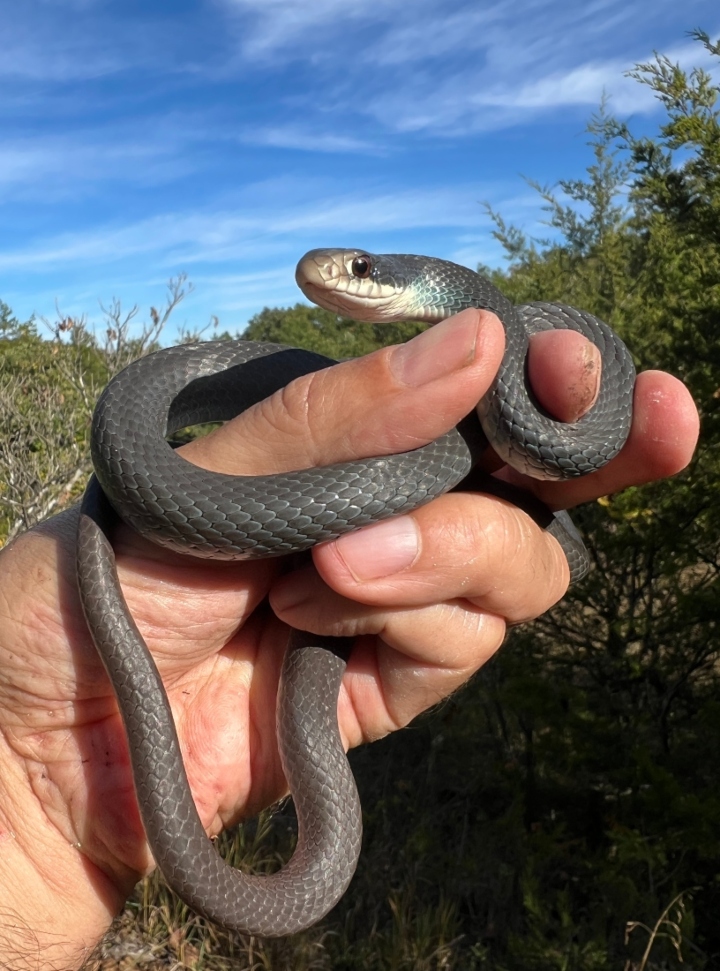
An Eastern Yellowbelly Racer that was basking out in the open.
Click here to see Part 2
|