The following day I visited this swamp in southern Illinois.
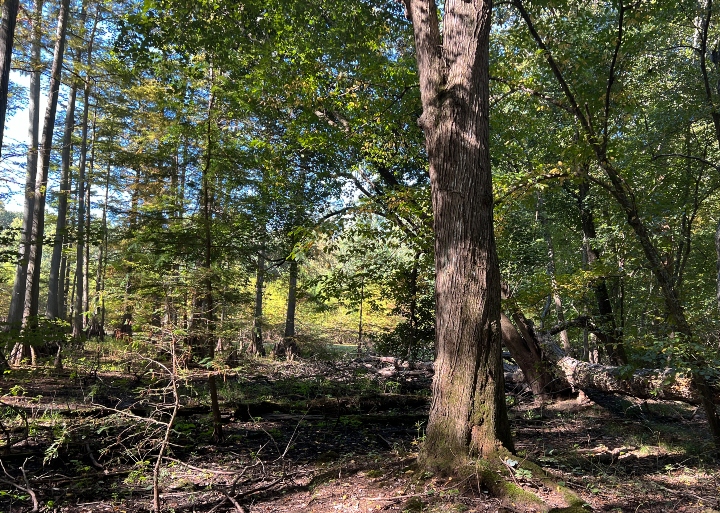
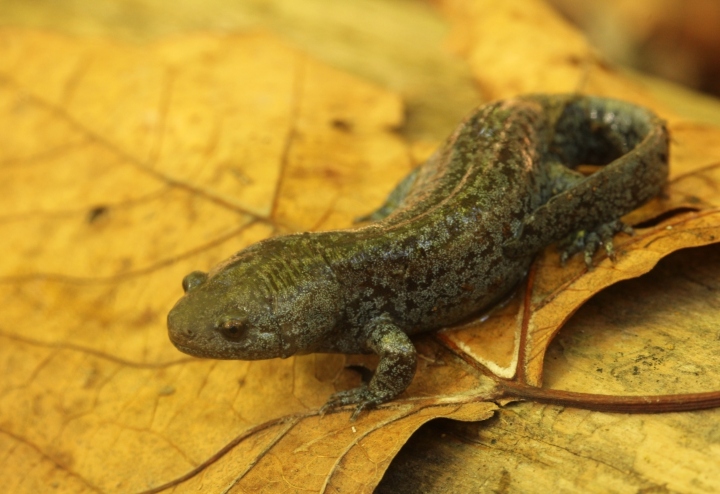
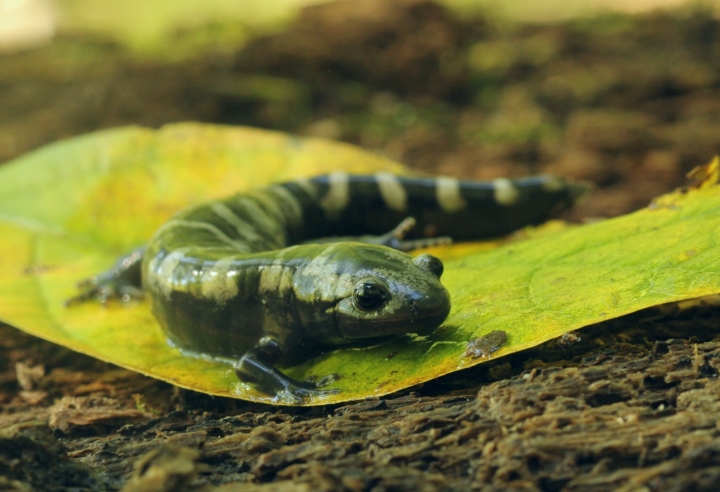
Mole Salamanders are nocturnal and burrow during the day; their common name comes from their underground lifestyle.
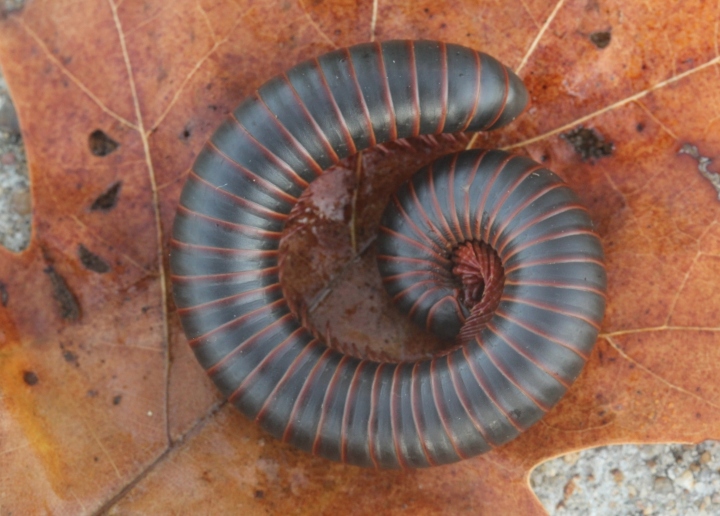
American Giant Millipedes are very important, because they help put nutrients back in the soil for plants and other organisms to use.
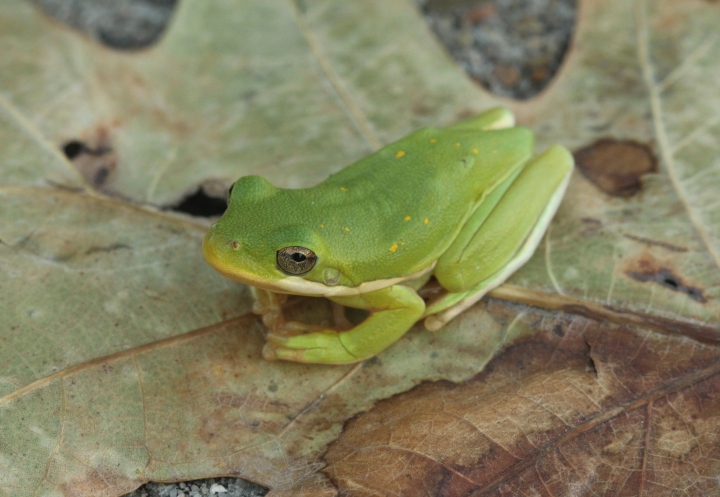
There was excessive drought in southern Illinois, which probably made finding amphibians harder than usual - I did see this Green Treefrog though.
Unlike most Mole Salamanders, instead of laying eggs in the spring, Marbled Salamanders lay their eggs in the fall in low areas that are likely to flood during winter rains. The female coils around the eggs until they can be underwater.
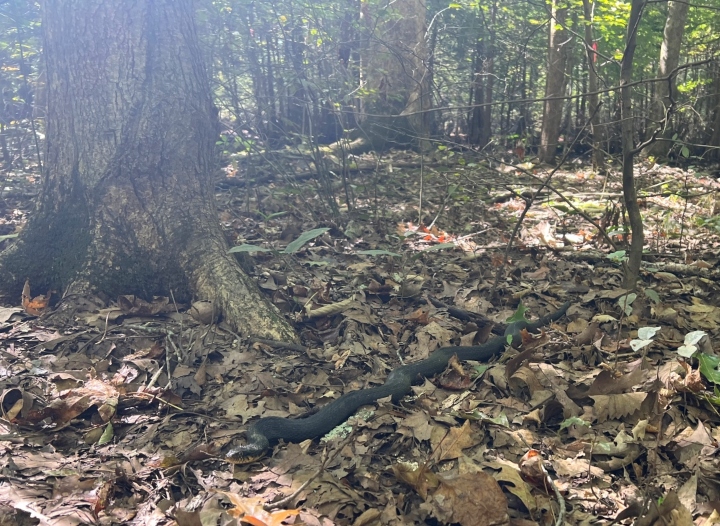
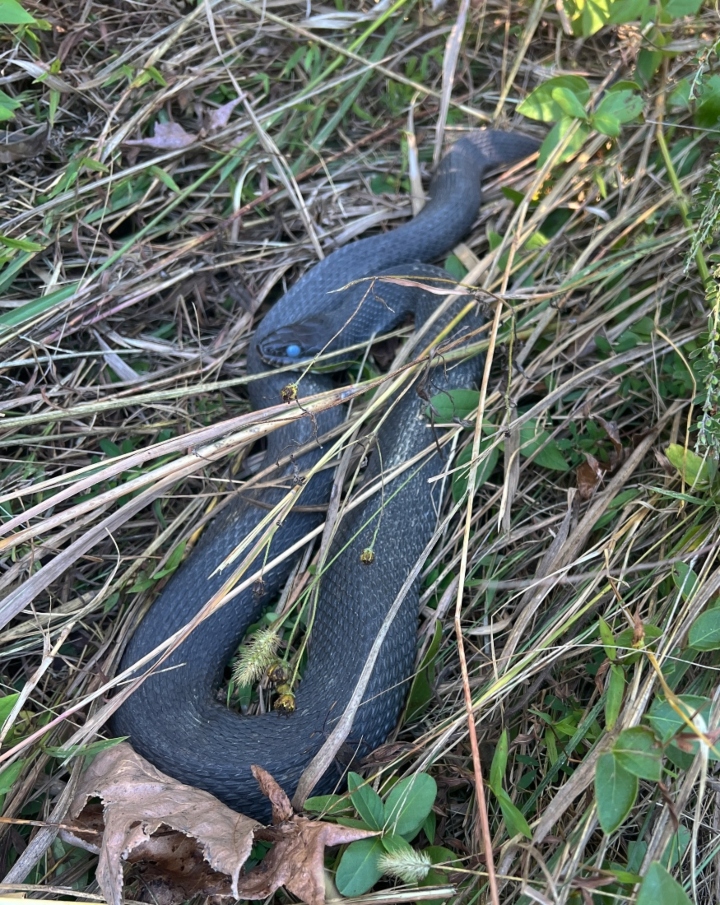
An "in situ" An "in situ" Plainbelly Water Snake that I saw while hiking along the edge of the swamp. that I saw while hiking along the edge of the swamp.
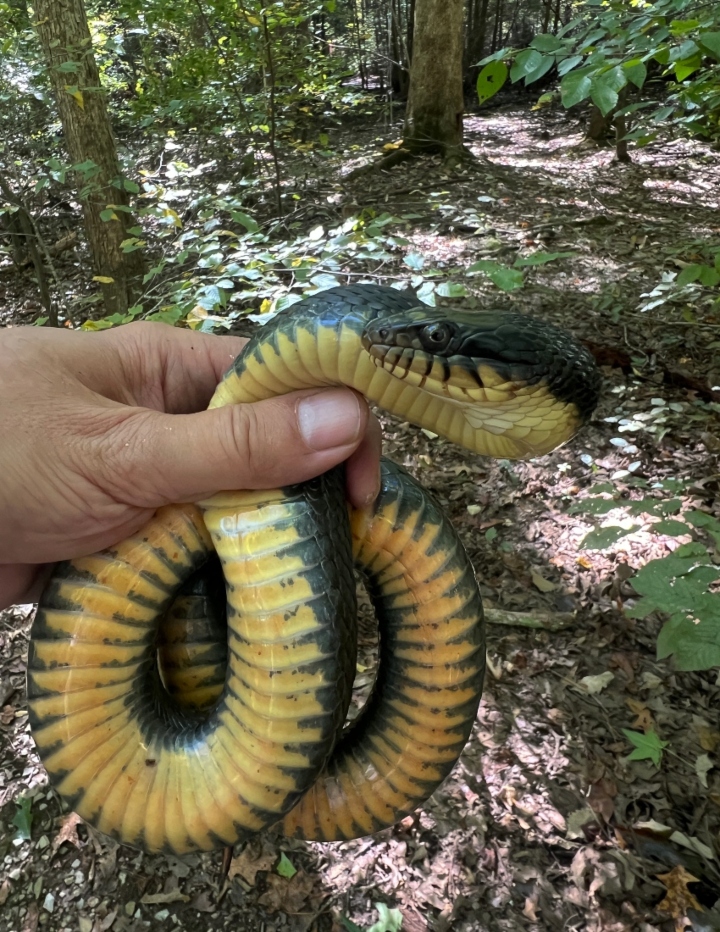
A closer look at the Plainbelly. This species is less aquatic than the other water snakes. During hot, humid weather, it will travel considerable distances away from water.
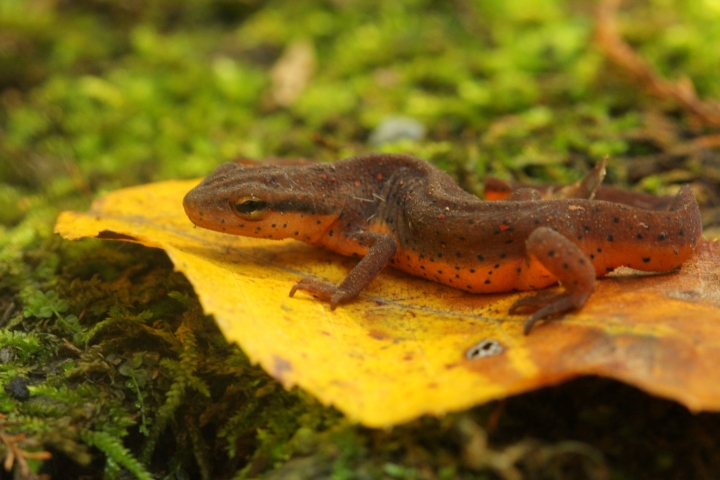
A Central Newt found under a log.
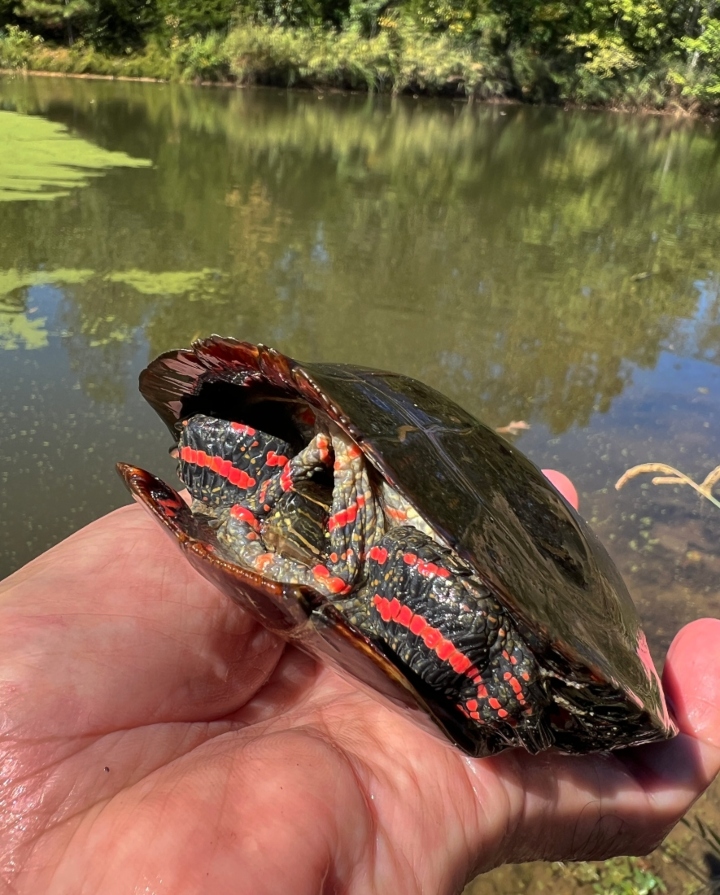
On my way to my next stop I saw this Midland Painted Turtle crossing the road. I took it across the street and let it go in the pond it was heading towards.
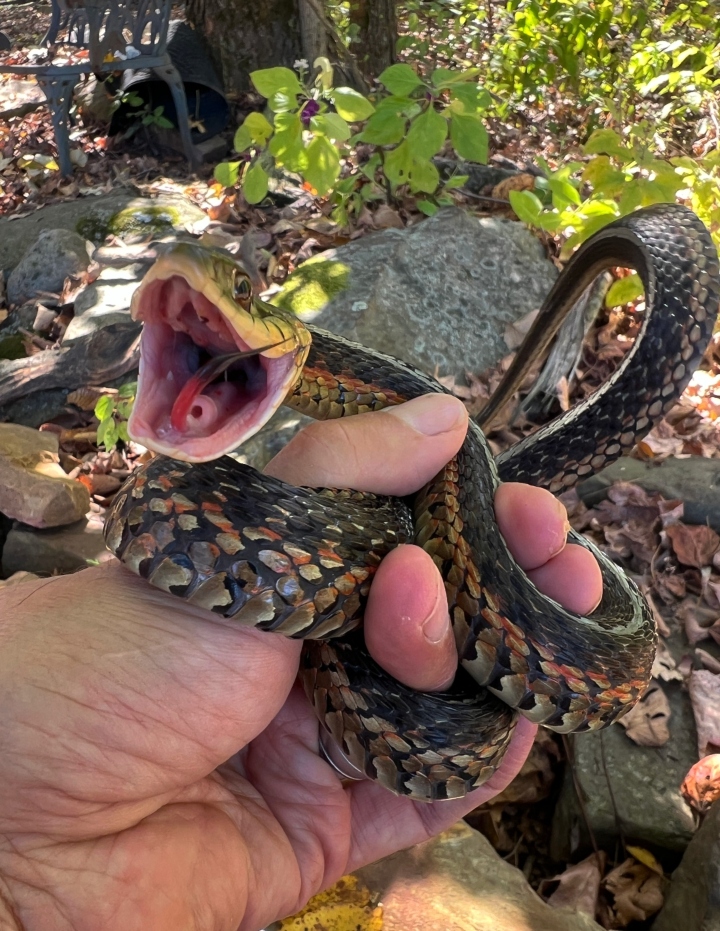
An Eastern Garter Snake with quite a bit of attitude.
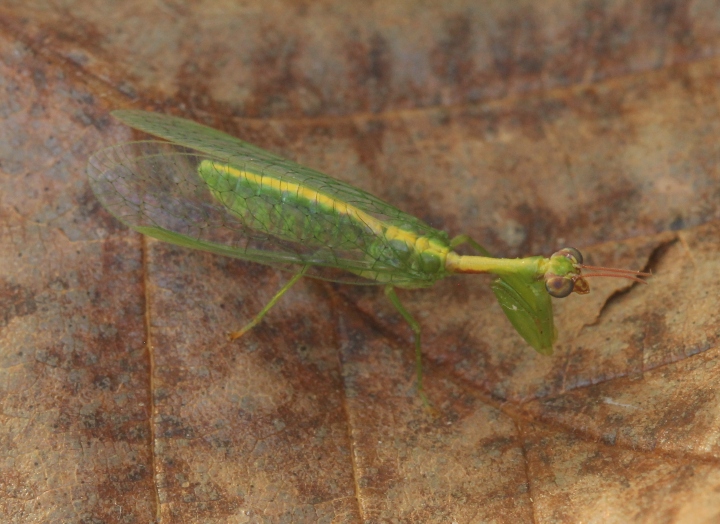
Despite looking like a hybrid of a praying mantis and a wasp, Mantisflies are closely related to common lacewings.
A Plainbelly Water Snake resting along the edge of a hiking trail.
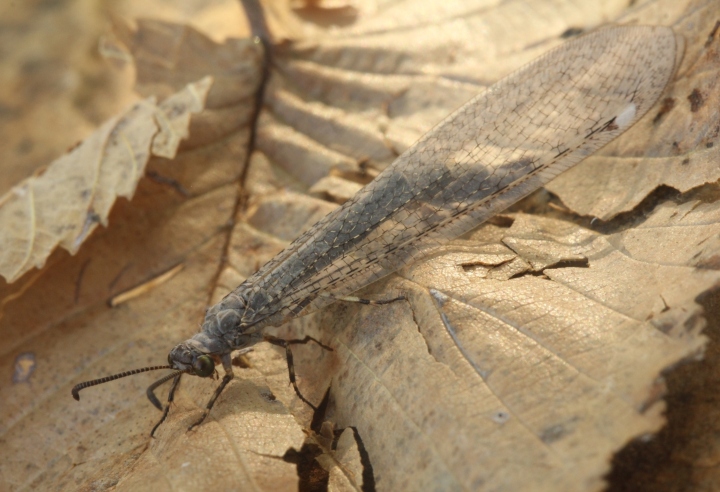
An adult version of an Immaculate Antlion.
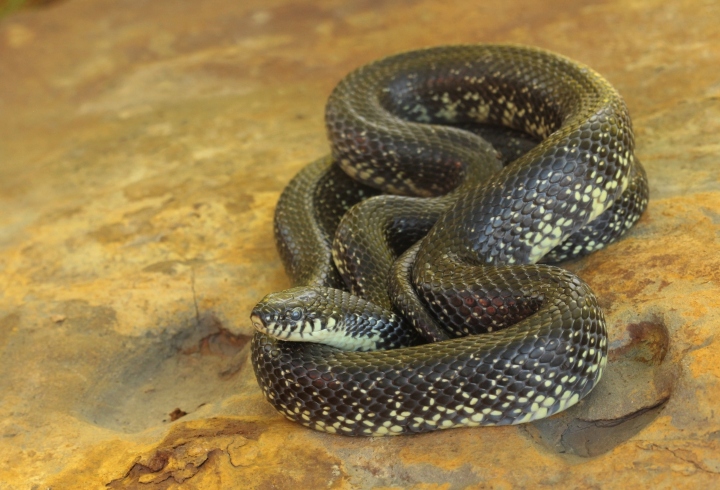
This Eastern Black Kingsnake was at the end of a shed cycle.
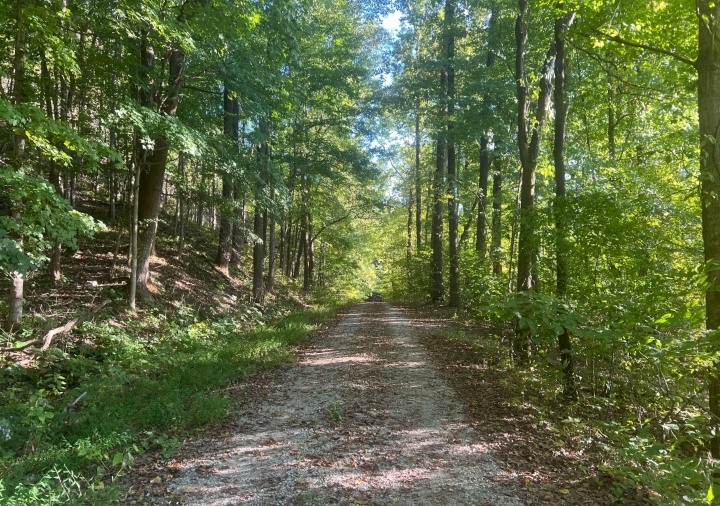
This is what Snake Road looked like.
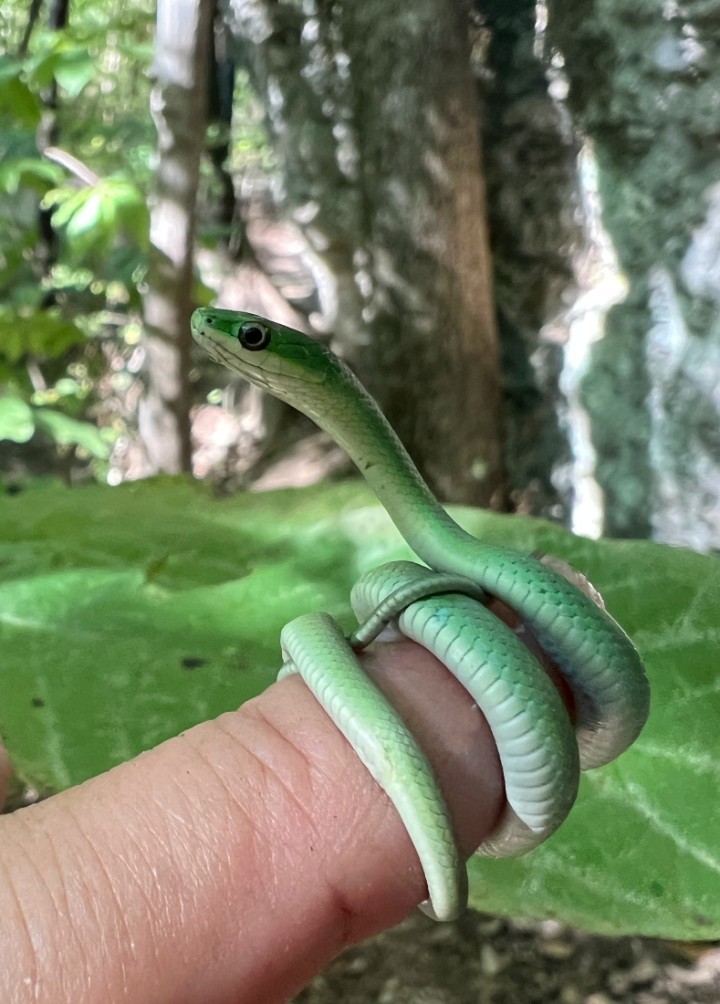
A newly hatched Rough Green Snake - a number of "young of the year" were found on the trip.
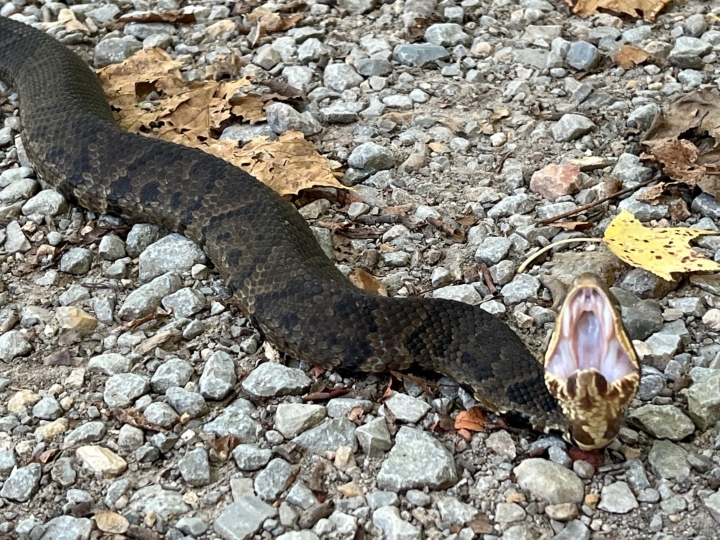
This Cottonmouth was on Snake Road and readily gave this species' classic defense display.
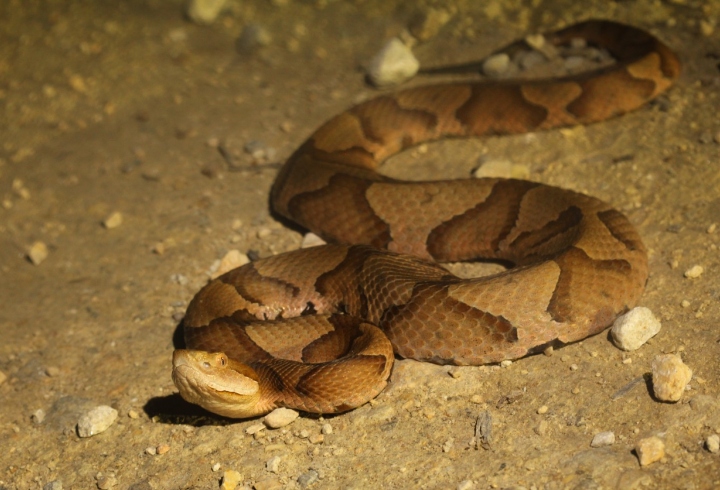
I did not see a Copperhead last year, so it was excellent to come across this one while roadhunting at night.
Click here to see Part 4
|