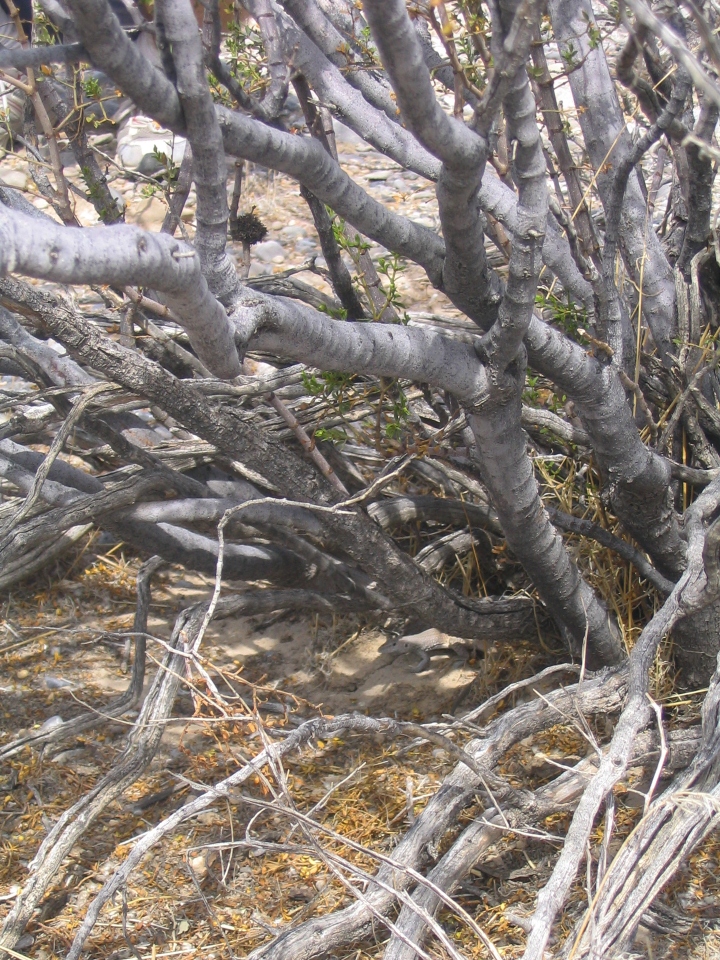
KELSO DUNES AND SURROUNDING AREA
From June 1 thru June 9, 2007 I vacationed in Las Vegas, Nevada. We also traveled to Mojave National Preserve in California. The weather was less than ideal, with a windstorm lasting several days, in addition to lower-than-usual temperatures and the drought that the southwest is experiencing. We found ten different types of lizards (the most ever): Chuckwallas, Night Lizards, Great Basin Fence Lizards, Zebra-tails, Desert Spiny Lizards, Side-blotched Lizards, Whiptails, Fringe-toes, Brush Lizards and Desert Iguanas. Most lizards were captured using the "noose" method, which involves slipping a lasso made of string over the reptile's head and pulling. This method of capture does not harm the animal. All animals were photographed and released at their point of capture. One snake, a Desert Patchnose, was also found on this trip.
Kelso Dunes are located in Mojave National Preserve, California. The shifting sands create an odd noise, which sounds a bit like a tuba. While there are different ways to get the sand to shift, sliding down the dunes produced the most "singing."
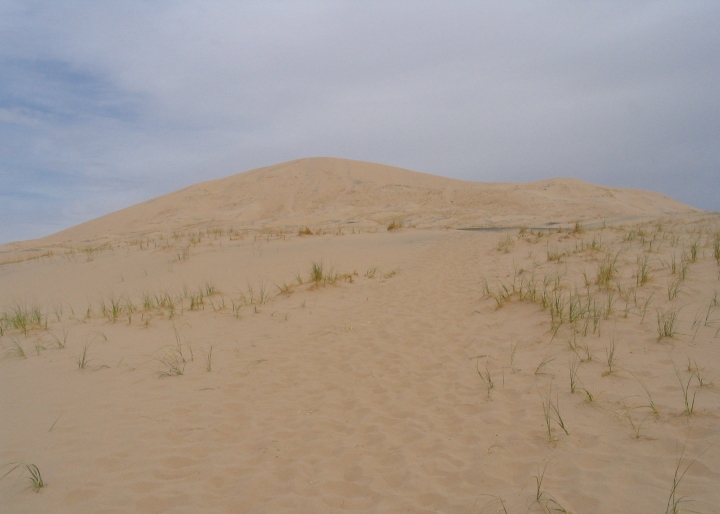
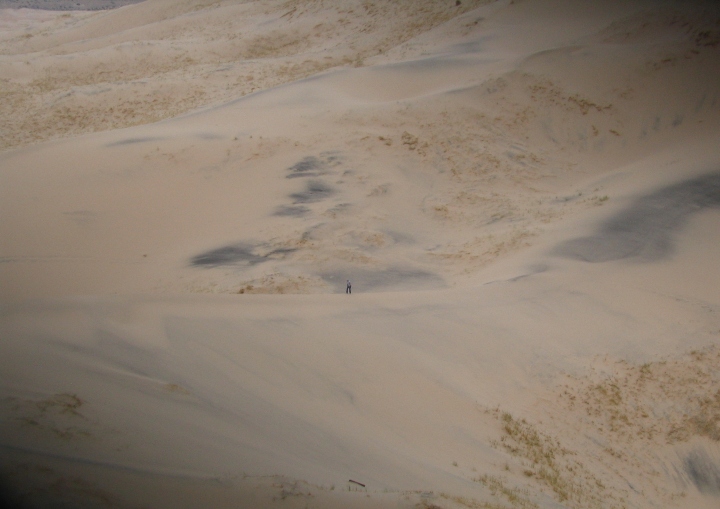
We had to get an early start, before it became too warm. Walking up the steep dunes is exhausting, not unlike walking up an escalator that is going down.
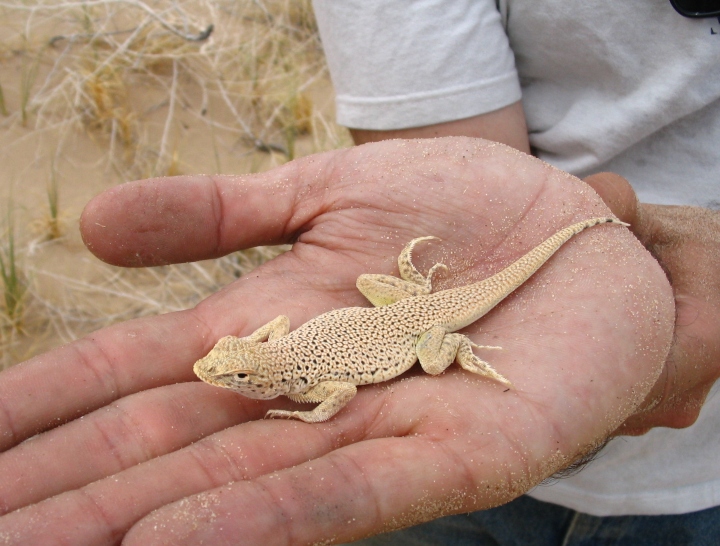
This Mojave Fringe-toed Lizard (Uma scoparia) was a "lifer" for me. How often do you start a herping trip by finding something you've never seen before? This lizard's fringed toes act as "snowshoes" to help it get through the sand. They "swim" into the sand to avoid capture and to escape the heat.
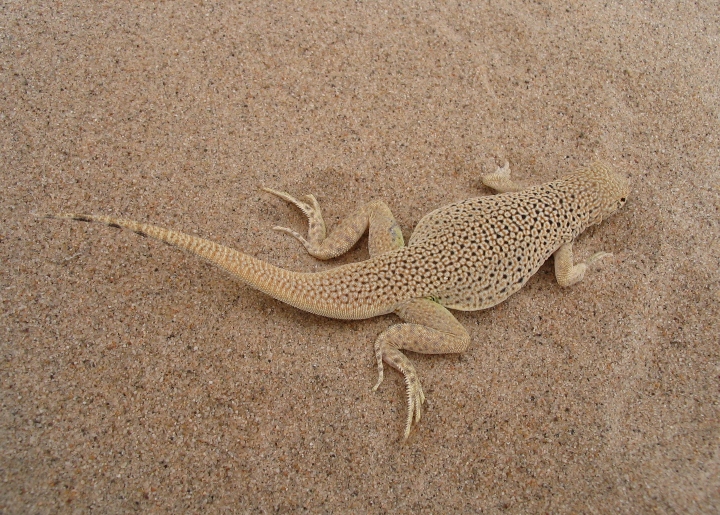
The Mojave Fringe-toed Lizard is a flat-bodied lizard with smooth, sand-colored skin featuring a pattern of small black spots. Their habitat is restricted to areas containing fine wind-blown sand dunes, the margins of dry lake beds, desert washes, and hillsides.
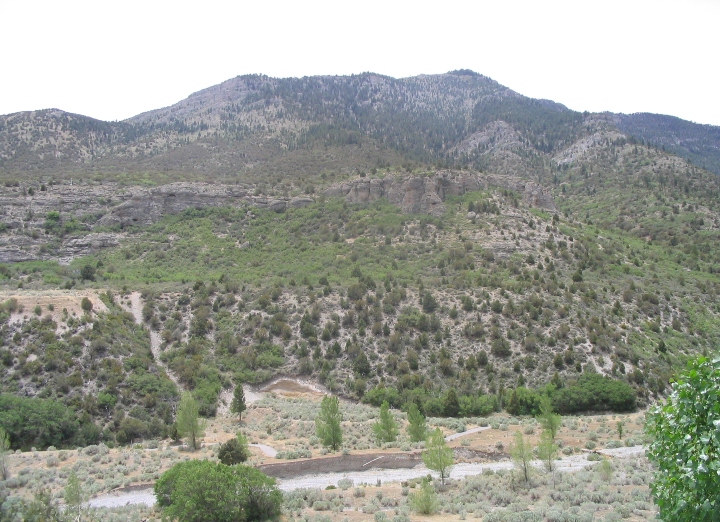
The desert can be a very scenic place.
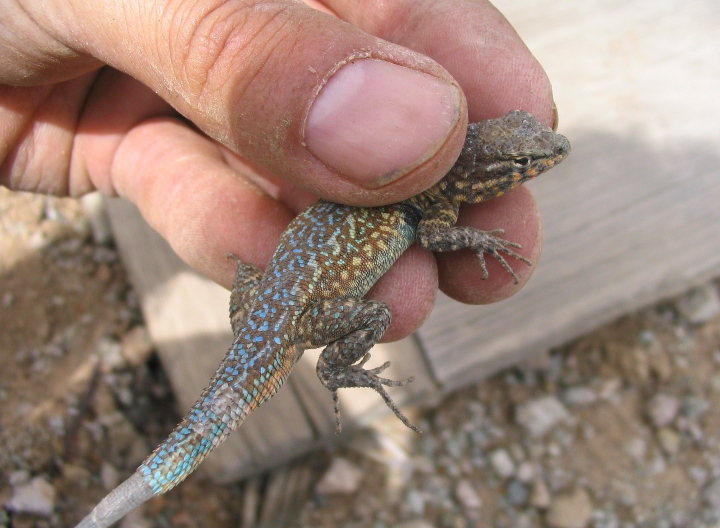
The common and sometimes quite colorful Side-blotched Lizard.
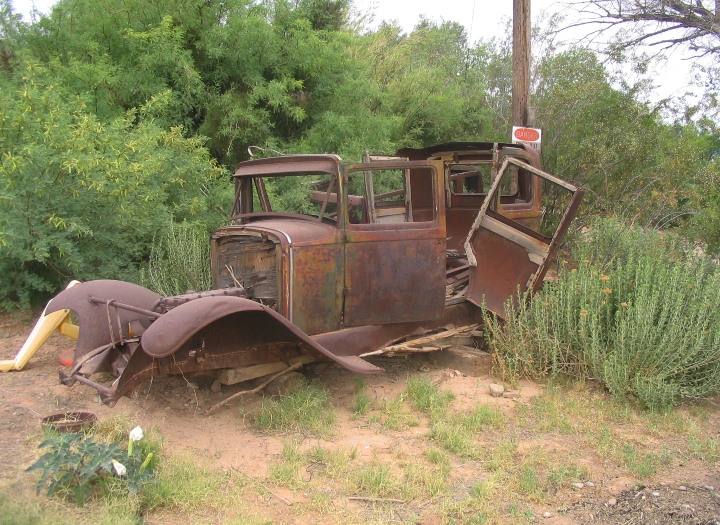
Old car - rusted.
A Desert Iguana basking on a large rock.
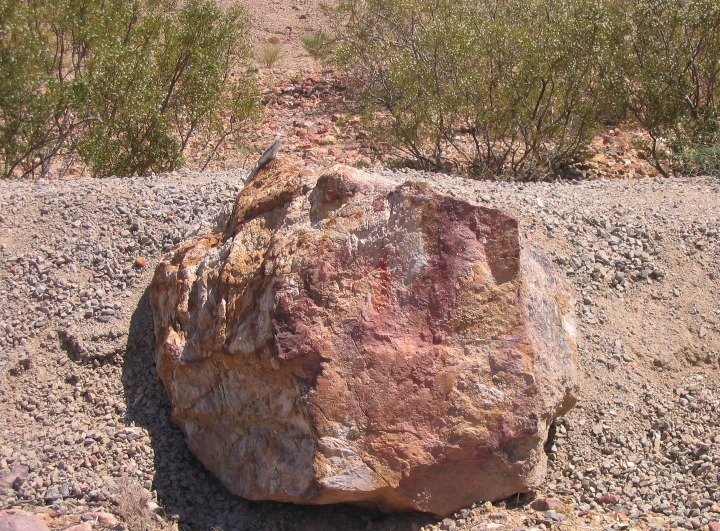
Active in daylight, Desert Iguanas change color to regulate body temperature. They are darkest in the morning to absorb more heat from the sun, and they will turn nearly pure white by early afternoon to reflect sunlight. These lizards can stand hotter temperatures than most, remaining on 115º F days.
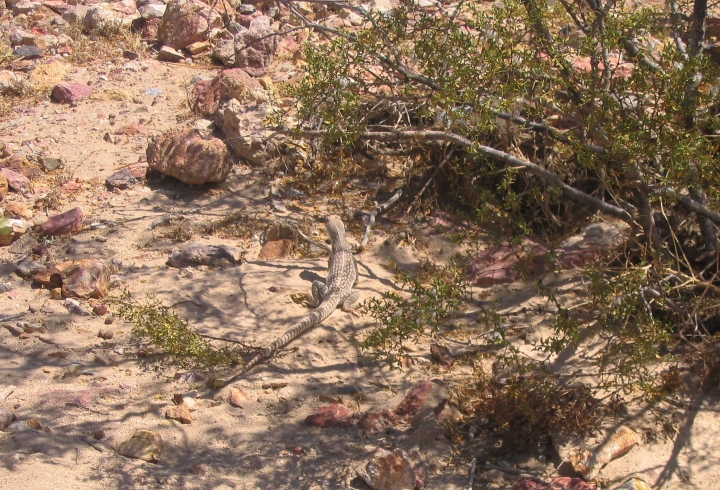
Though Desert Iguanas seem to prefer open, relatively flat habitat, they rely heavily on the Creosote Bush in these areas for a number of needs. This plant provides some of the lizard’s diet (flowers), and the lizard burrows around and under the plant’s roots to avoid extreme temperatures and predators.
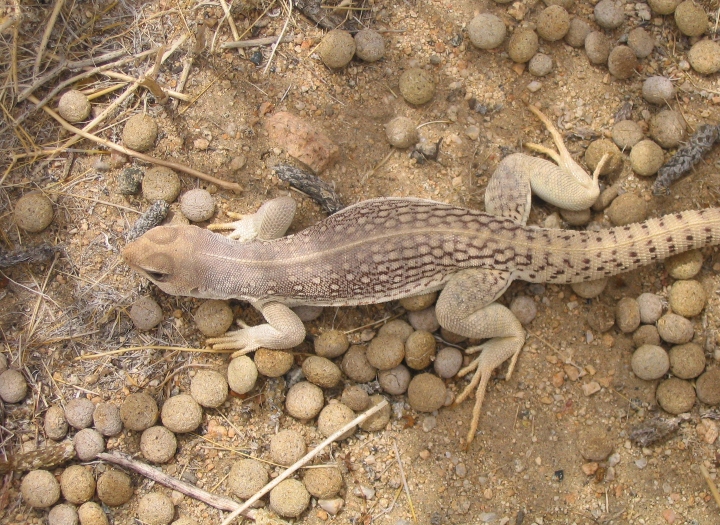
I always enjoy seeing this large, heat-loving “classic” desert reptile.
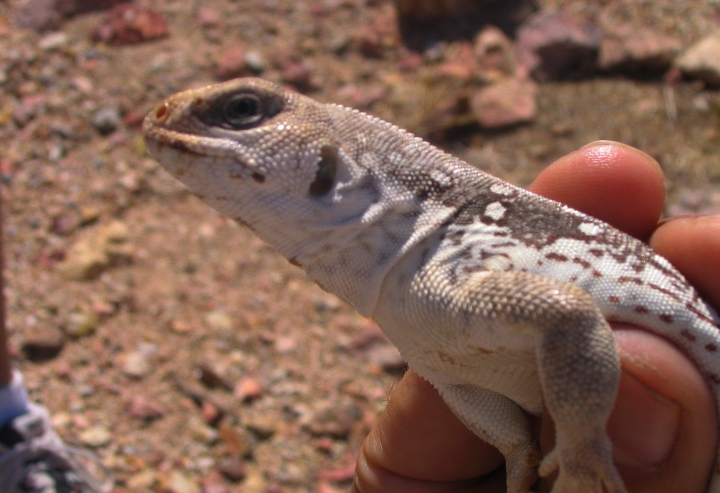
A Whiptail Lizard at the base of a shrub where it has an underground burrow.