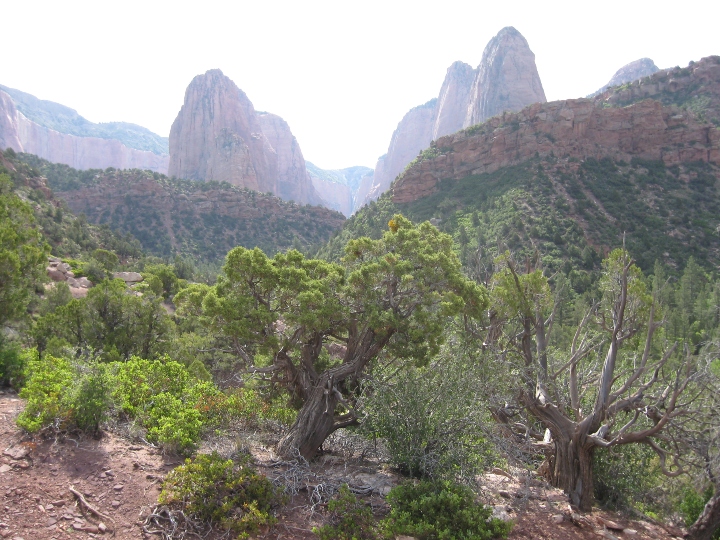
ZION NATIONAL PARK
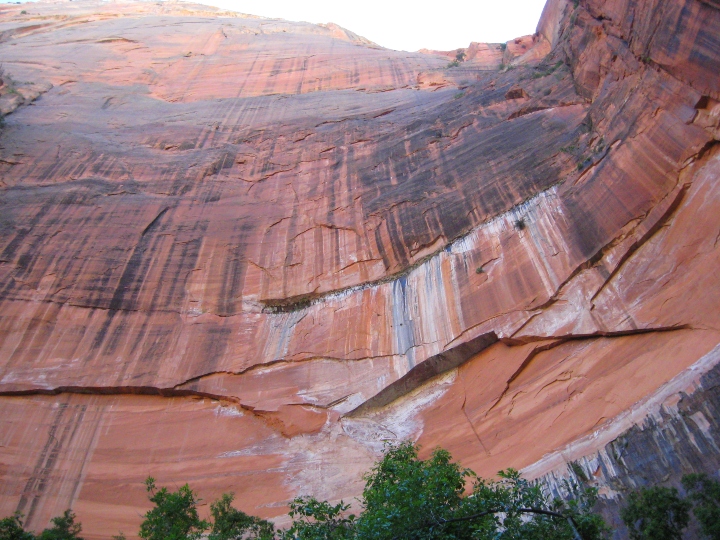
The first week of June I headed out west to Las Vegas. Early in the trip I travelled to Utah to visit this picturesque national park.
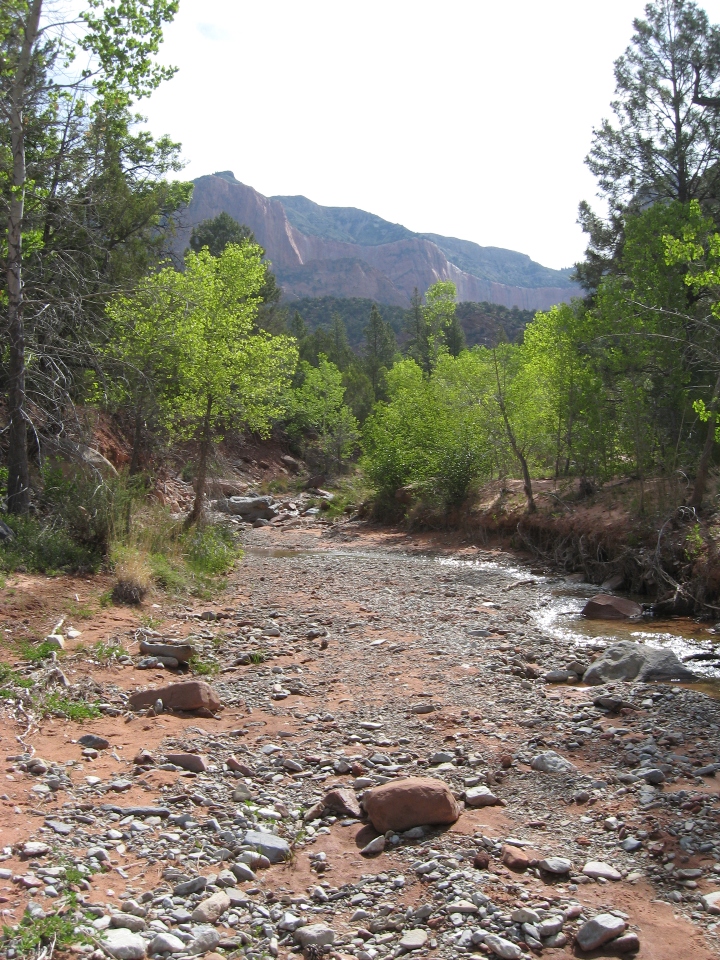
This creek looked like some ideal herp habitat to explore.
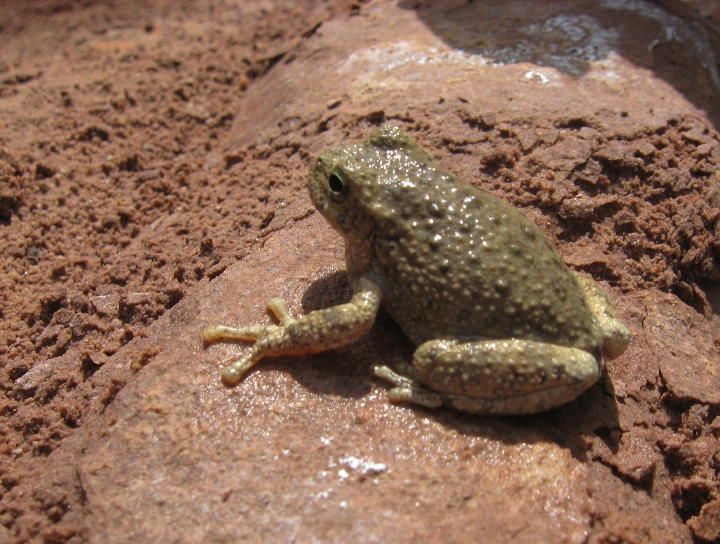
I found my "lifer" Canyon Tree Frogs. As its name implies, this is an amphibian of canyons and arroyos, particularly rocky, intermittent or permanent stream courses.
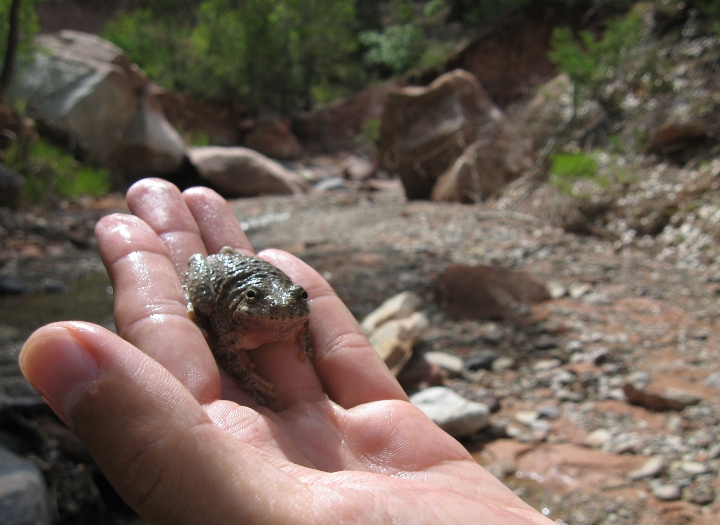
They can vary in color and pattern considerably, but Canyon Tree Frogs usually match the soil or rock color of their native habitat to serve as camouflage.
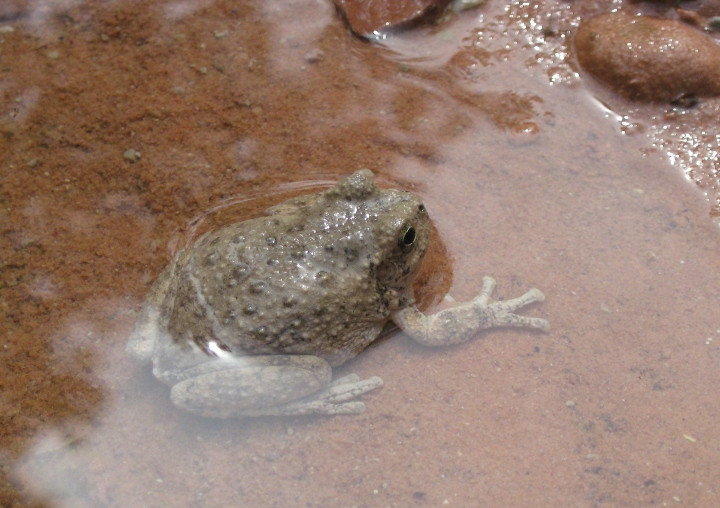
Despite being called “tree frogs,” they prefer to perch on boulders and rock faces overlooking pools of water. During warm weather they spend the day hiding in rock crevices.
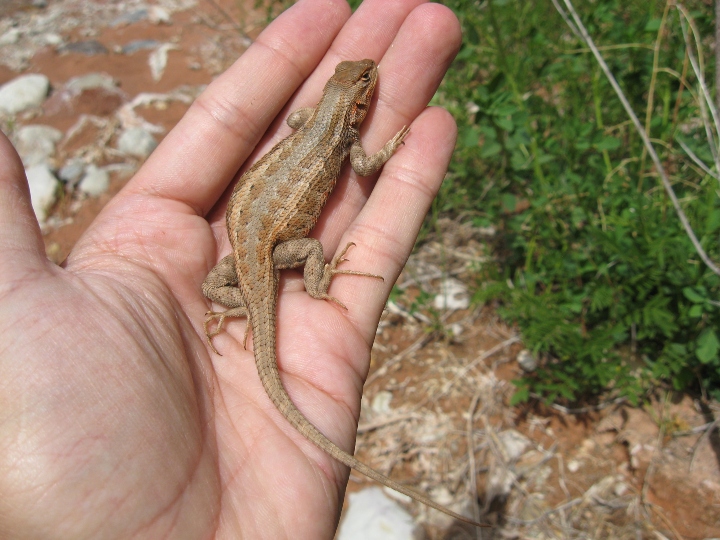
True to its name, the Sagebrush Lizard is commonly observed in shrublands; it can be encountered on open, flat, grassy plains and plateaus, wooded foothills, rocky canyons and on steep forested slopes.
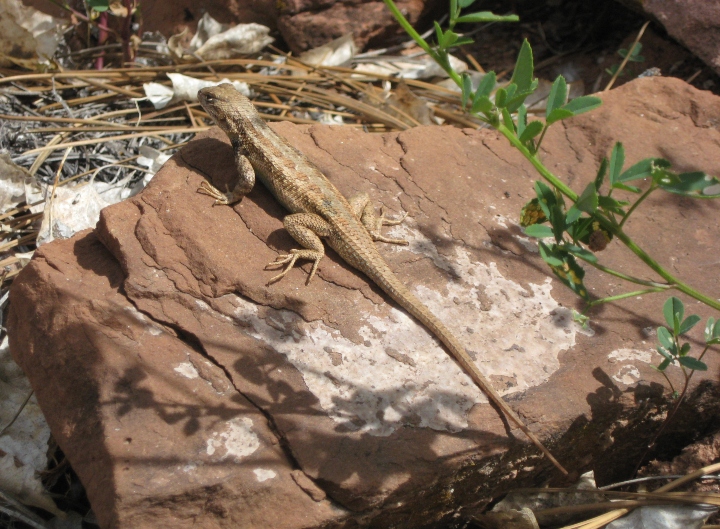
Sagebrush Lizards were common along the banks of Taylor Creek.
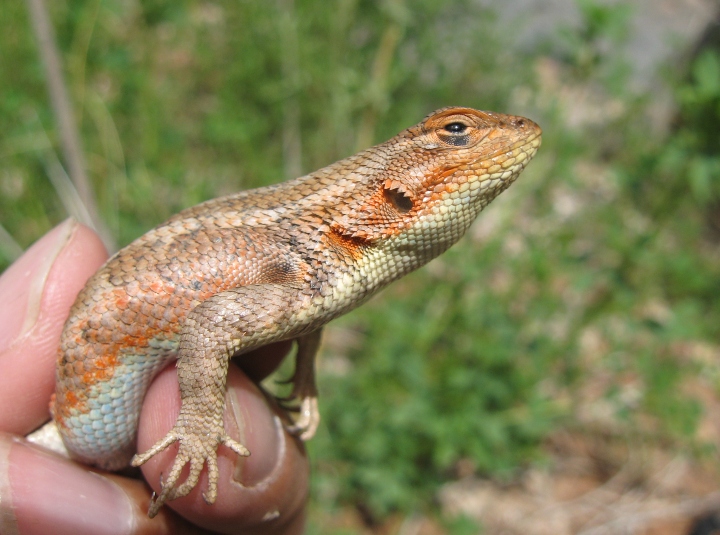
Female Sagebrush Lizards turn orange when carrying eggs.
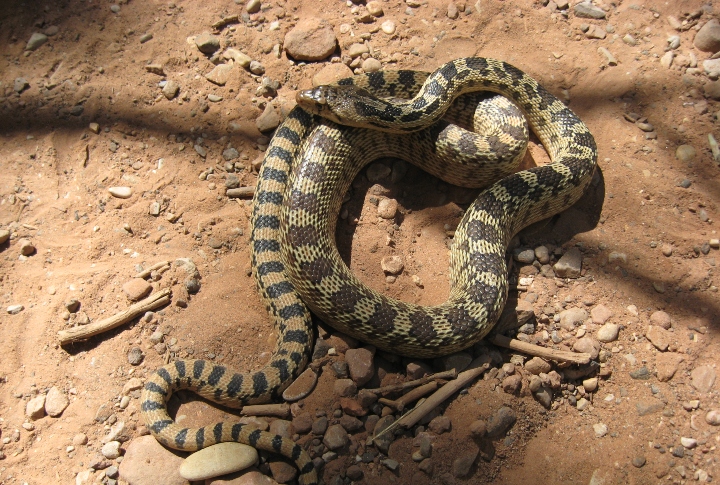
Dozens of people walked right by this Great Basin Gopher Snake and didn't notice it.
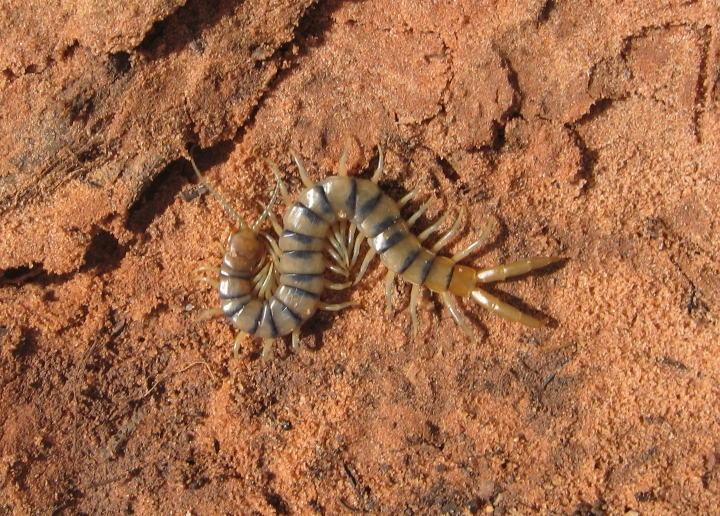
The Common Desert Centipede is indigenous to the Southwestern United States and northern Mexico. It inhabits dry grasslands, forests, and deserts; in these habitats they generally take up residence under rocks, though they have been observed creating burrows in suitable environments and inside of rotting logs.
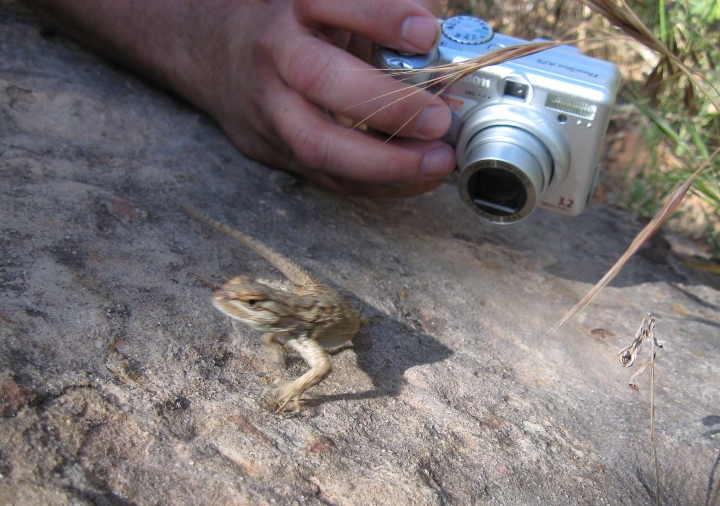
Not all reptiles are cooperative photo subjects.
It was great to find some cool herps at Zion National Park.