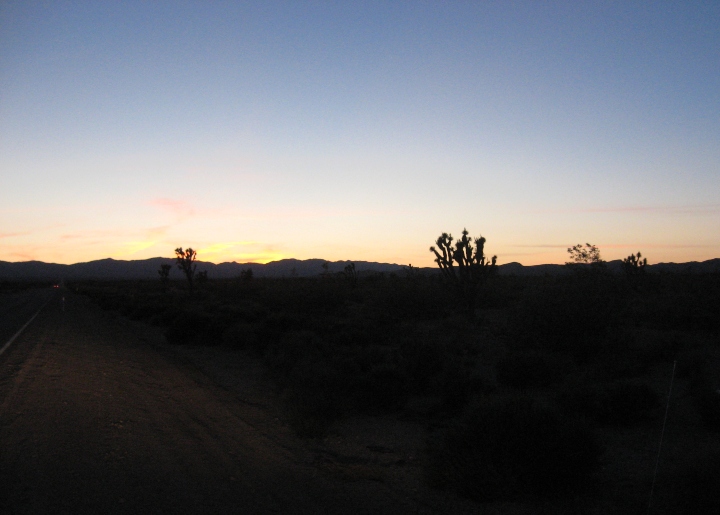
RED ROCK CANYON & ROADHUNTING
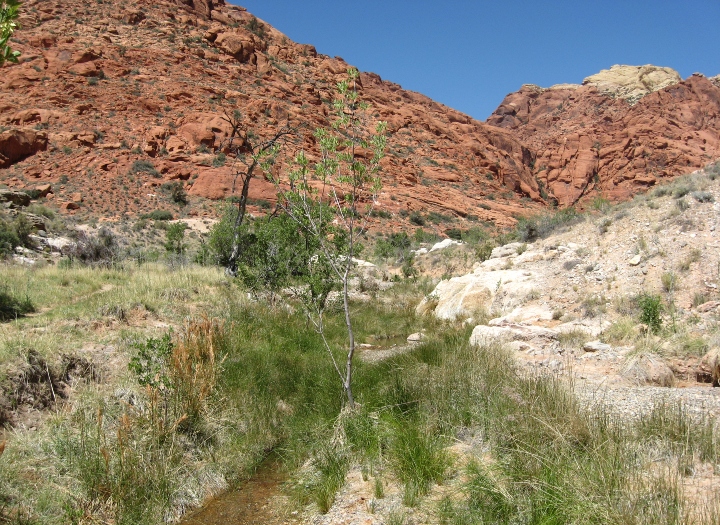
Red Rock Canyon is a fine place to visit when in the Las Vegas area. This creek provides habitat for herps.
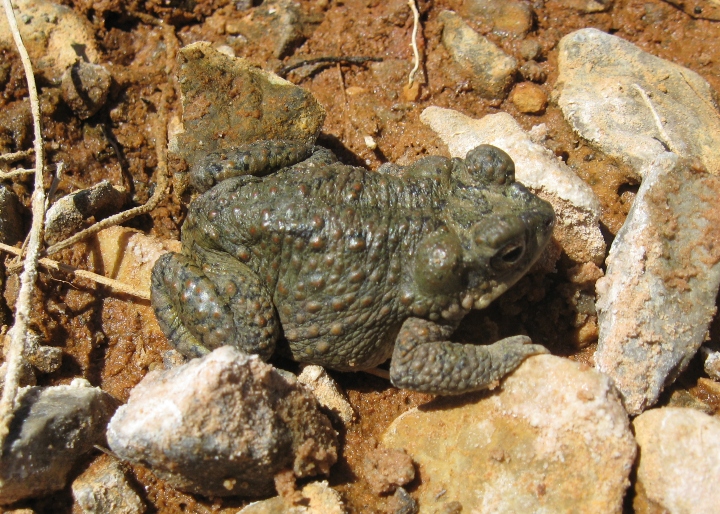
The Red-spotted Toad of the arid southwestern United States is named for the orange or red spots that are usually scattered on its back, sides and legs. No two are alike – some have many spots while others have few to none.
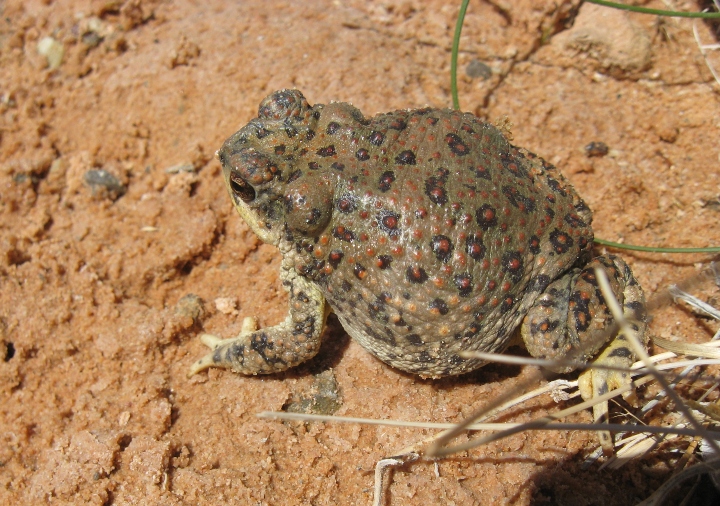
This toad is one of the very few amphibians that can be found in the desert throughout most of the year. I see them most often along the edges of creeks and springs.
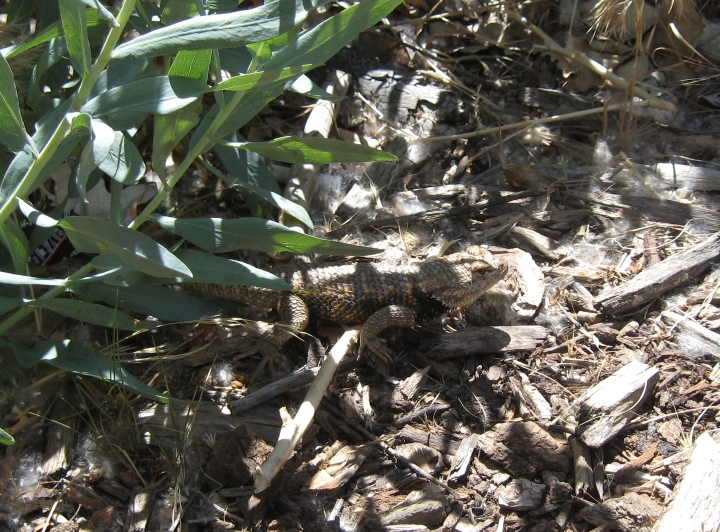
Desert Spiny Lizards are medium-to-large lizards that can grow up to a foot in total length. True to their name, these robust reptiles have keeled, pointed scales and feel rough.
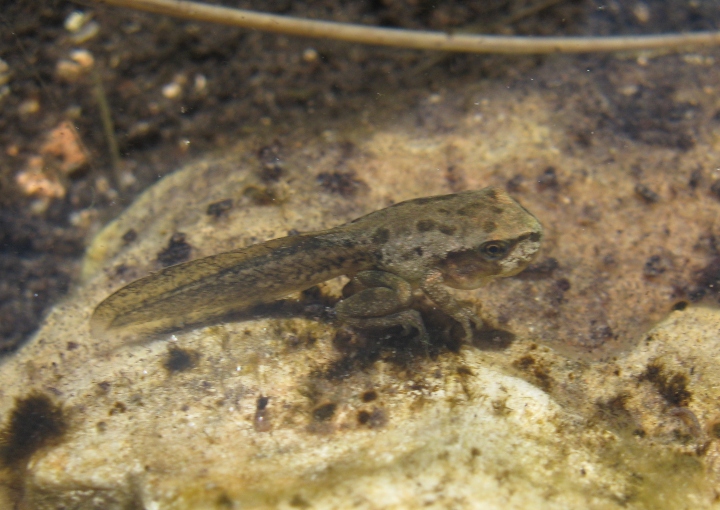
A Pacific Treefrog undergoing metamorphosis.
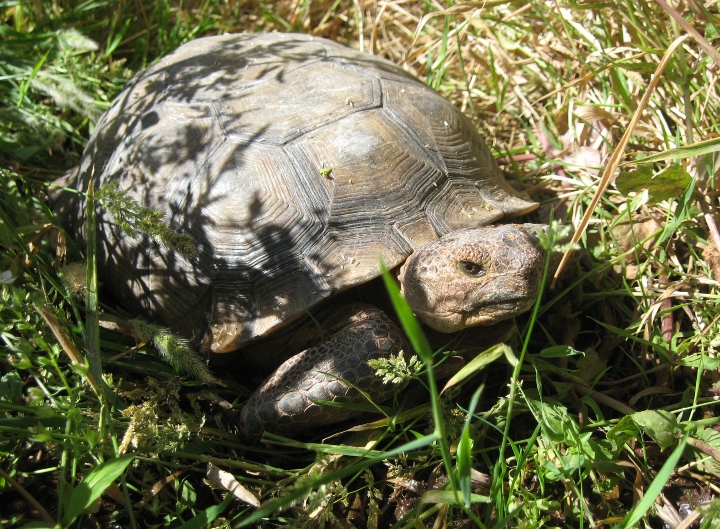
The Desert Tortoise has a lifespan of 80 to 100 years and grows slowly. It is not a fan of the desert heat and most of its life is spent underground in a burrow. The Desert Tortoise’s burrow creates a subterranean environment that also can serve as a shelter for other desert inhabitants like snakes, lizards, mammals and invertebrates.
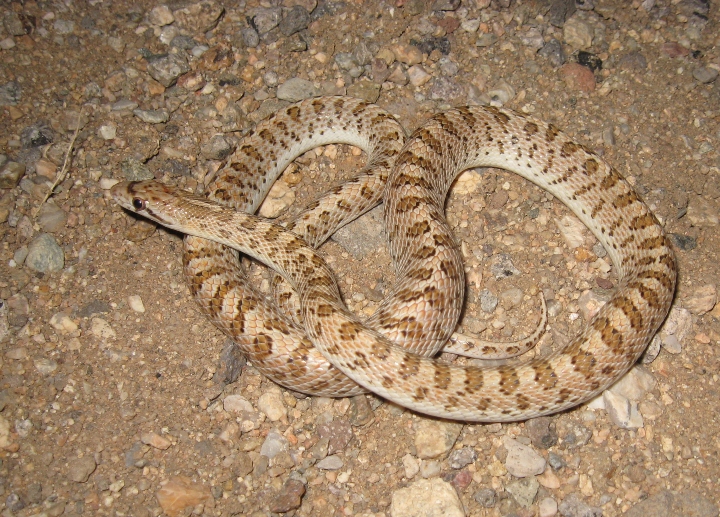
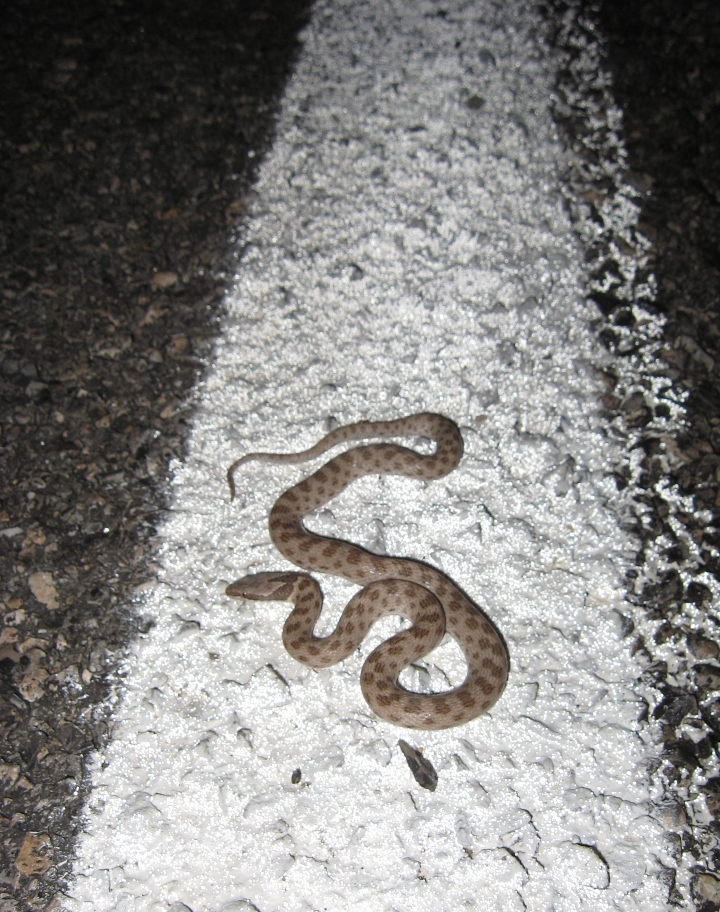
The Glossy Snake is usually found in relatively flat, open, shrubby areas with sandy soil. This nocturnal ground-dweller is good burrower that spends the majority of its time underground.
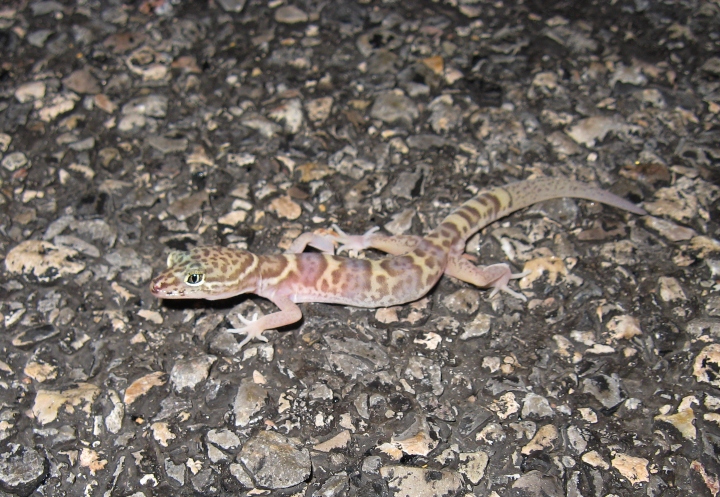
The Western Banded Gecko occurs in the Mohave and Sonoran deserts and is found in open, arid areas, desert grassland, canyons and hillsides. It is usually associated with rocks or other shelters, but is also is found in sandy dunes.
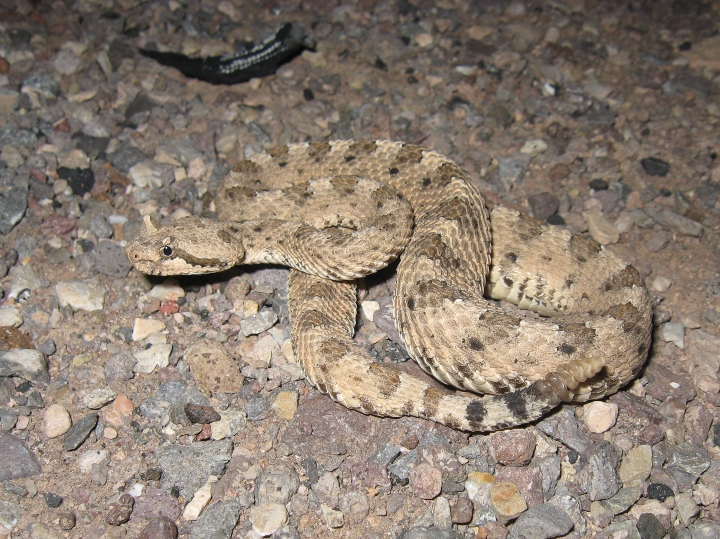
A Sidewinder - this snake is usually light tan in color with dark spots. It has rough, keeled scales, which aid in its unique sidewinding locomotion. The projections over each eye (called supraoculars) are pointed and upturned, giving them a horn-like appearance – providing this reptile with the nickname, “Horned Rattlesnake.”
Wolf Spiders do not build webs to catch their food. Instead they use their vision and their sensitivity to vibrations to hunt for prey.
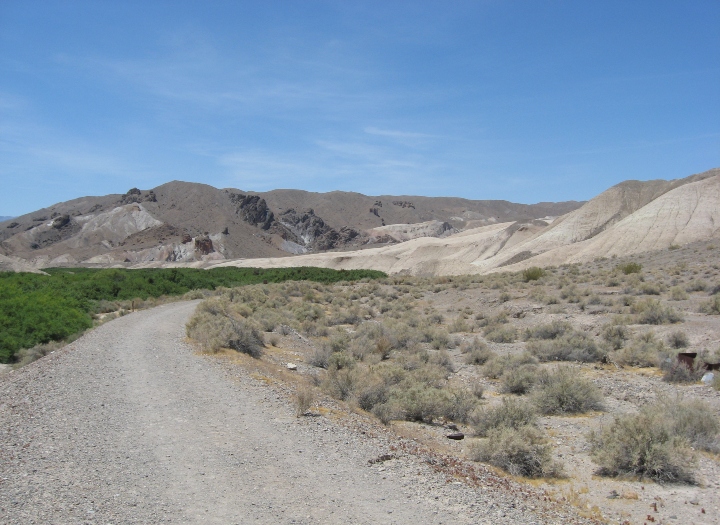
On my way to another herping location.
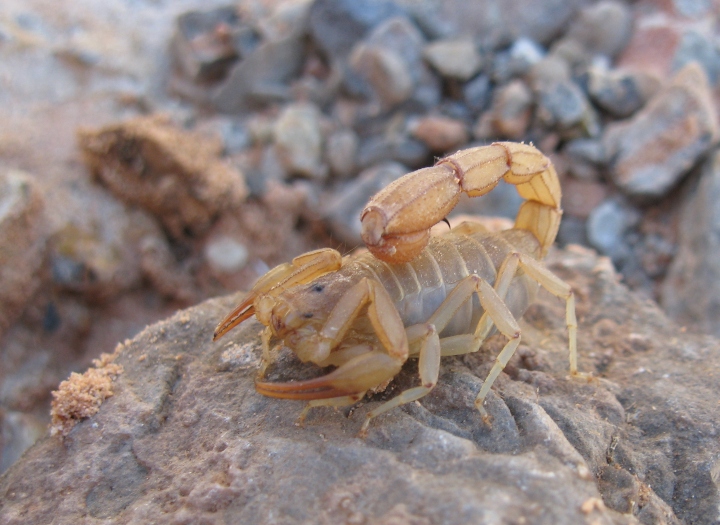
The Devil Stripe-tailed Scorpion, like other scorpions, it has a long tail equipped with a venomous stinger used for defense and to subdue struggling prey (usually insects). It also is equipped with pincers to catch prey and tear it to pieces.
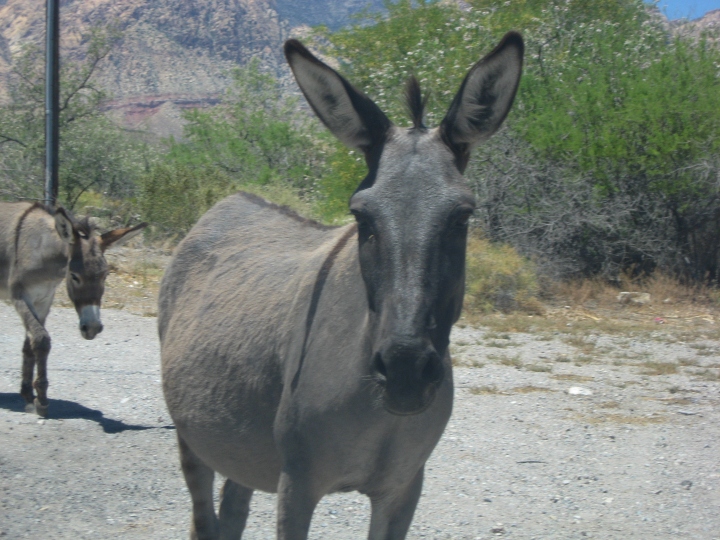
Wild burros play a unique and essential ecological role, embodying resilience and contributing to the health of desert ecosystems
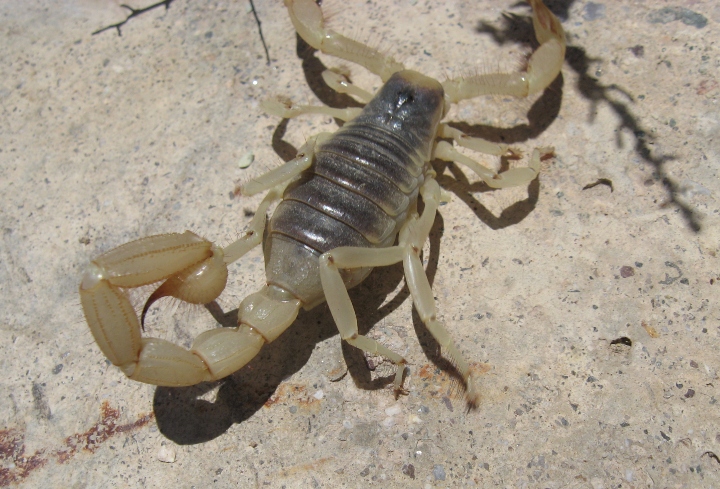
The Giant Desert Hairy Scorpion is the largest scorpion in North America, reaching lengths of 6 inches.
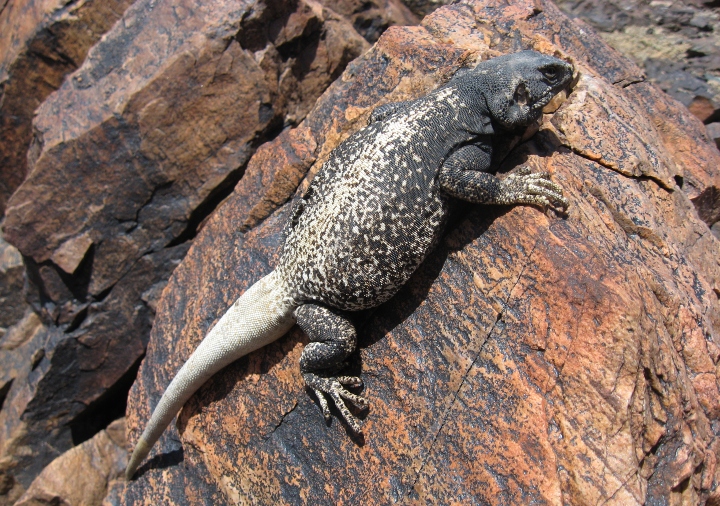
Unlike most other lizards here in the southwest, the Chuckwalla is strictly a rock dweller and is found in rocky outcrops, lava flows, and rocky hillsides of the Great Basin, Mohave and Sonoran deserts.
See you next year, Las Vegas!