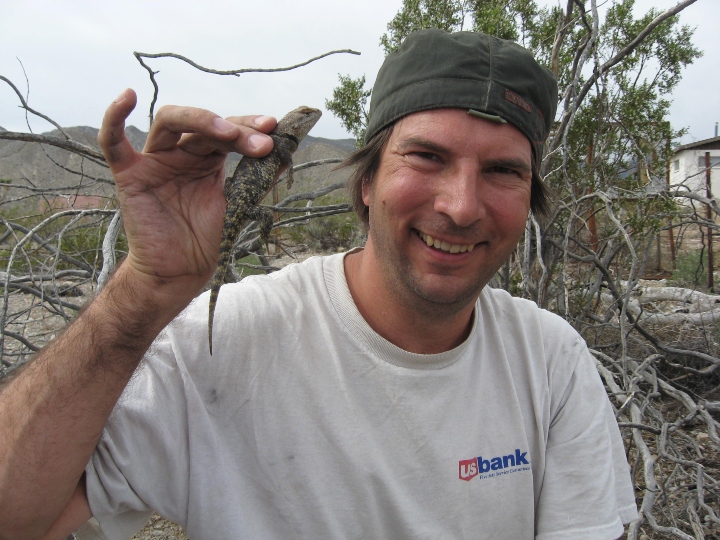
CHLORIDE (AZ) & RED ROCK CANYON
A thunderstorm was brewing on the way to Cloride on the morning of May 30th.
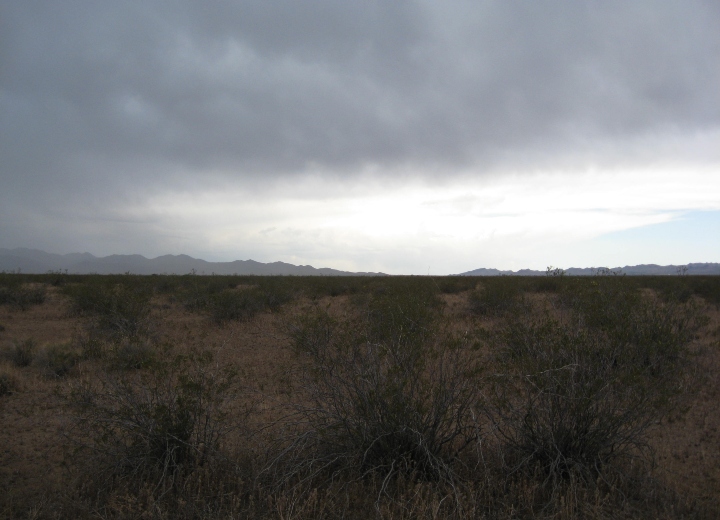
Herp habitat in the Mojave Desert.
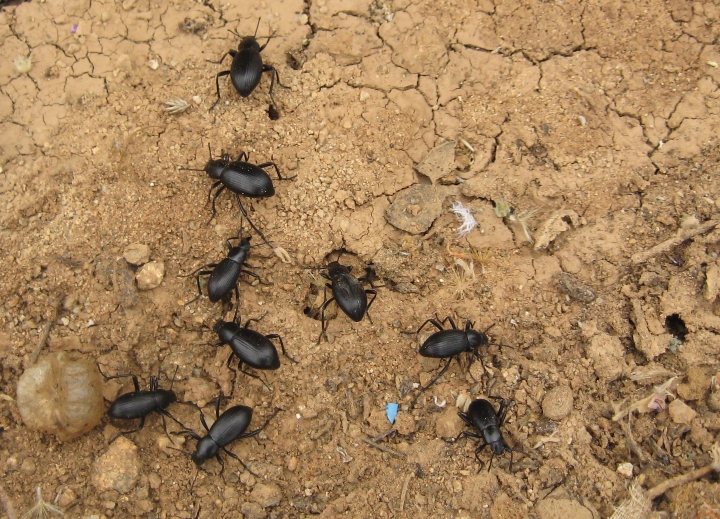
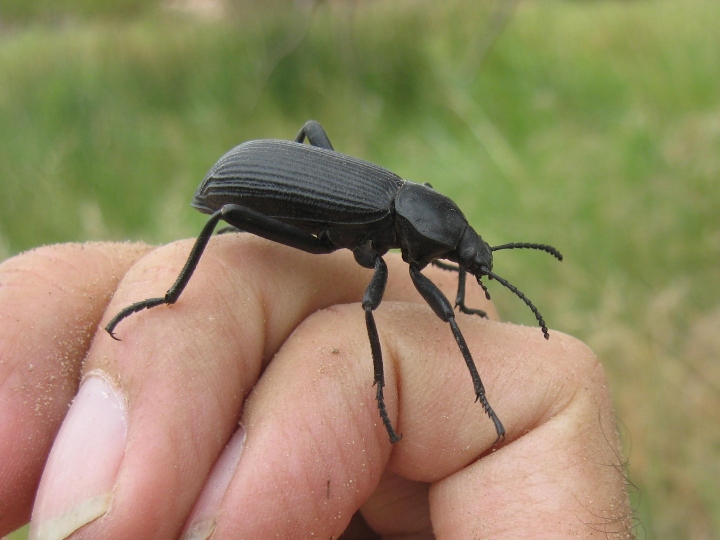
Good quantities of Darkling Beetles could be found under cover.
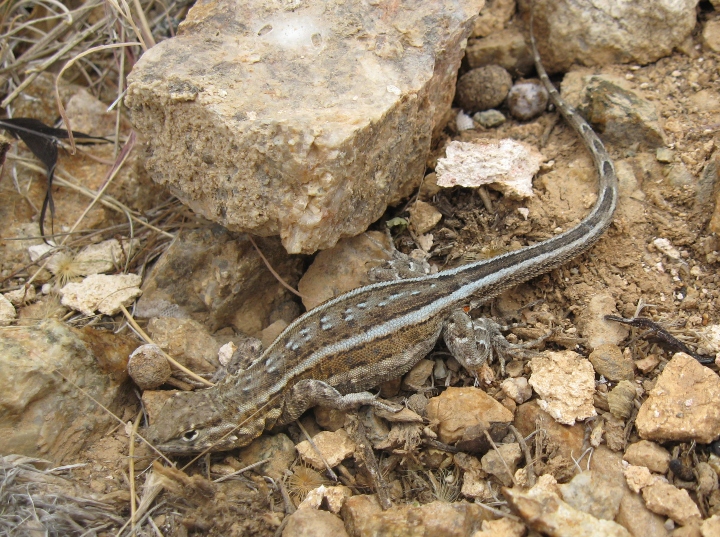
An unusually patterned striped Side-blotched Lizard.
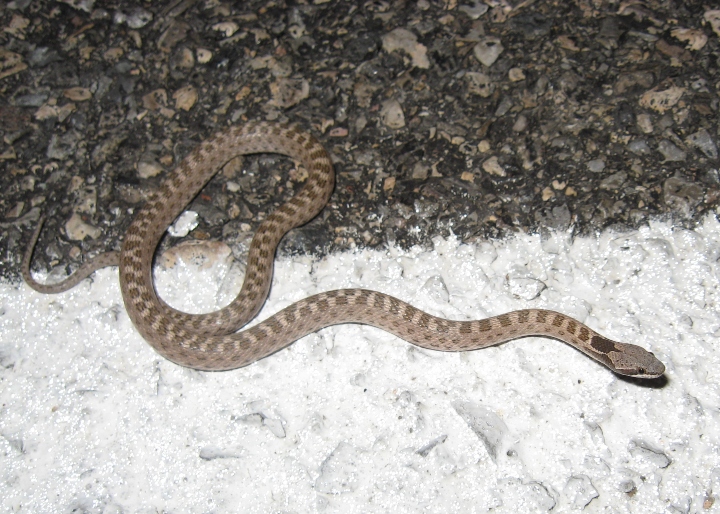
The Night Snake preys upon lizards, small snakes, frogs, salamanders, and small mice, which it subdues with its mild venom; this venom poses no threat to humans.
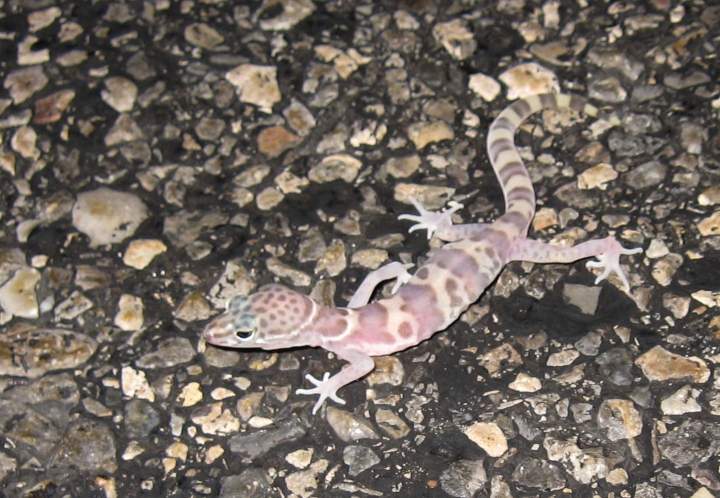
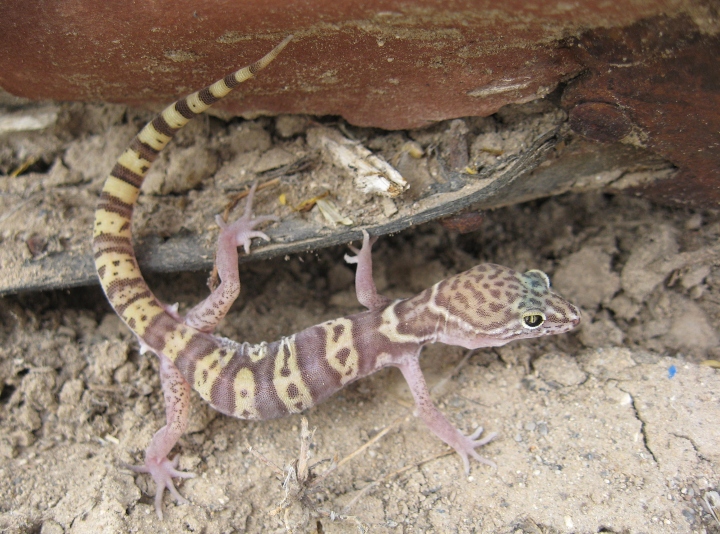
These very delicate looking geckos manage to live in extremely dry parts of the desert by retreating underground during the heat of the day, emerging in the evening to forage for beetles and other insects.
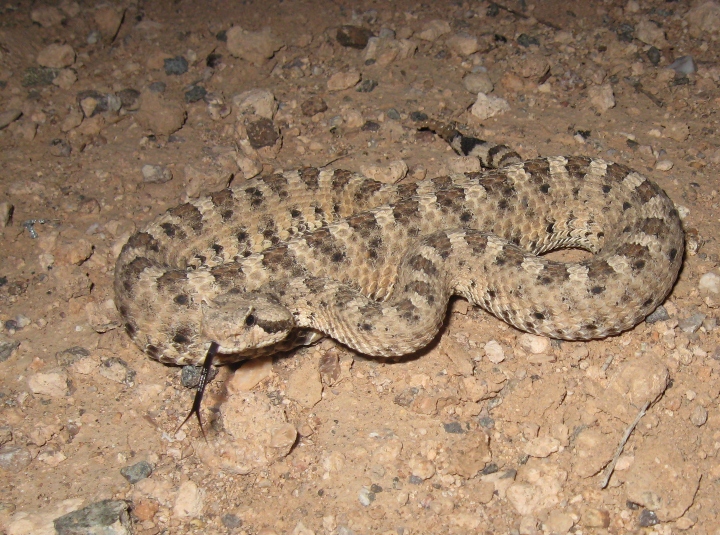
This Sidewinder was found crossing the road in the evening. It can be distinguished from other rattlesnakes by the raised scales above its eyes, creating a horn-like appearance. It is unique because of its sideways form of locomotion.
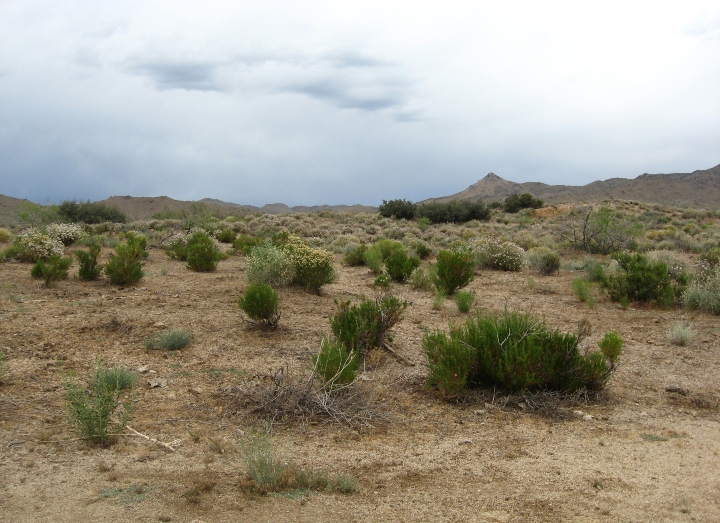
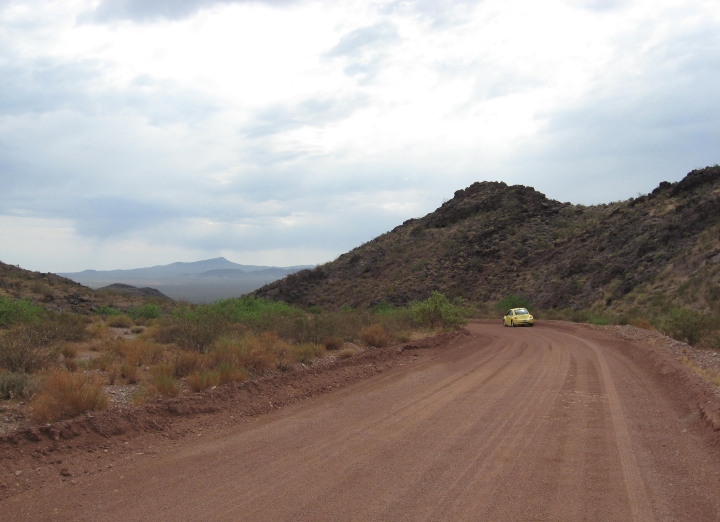
A dirt road I travelled in the Mojave Desert.
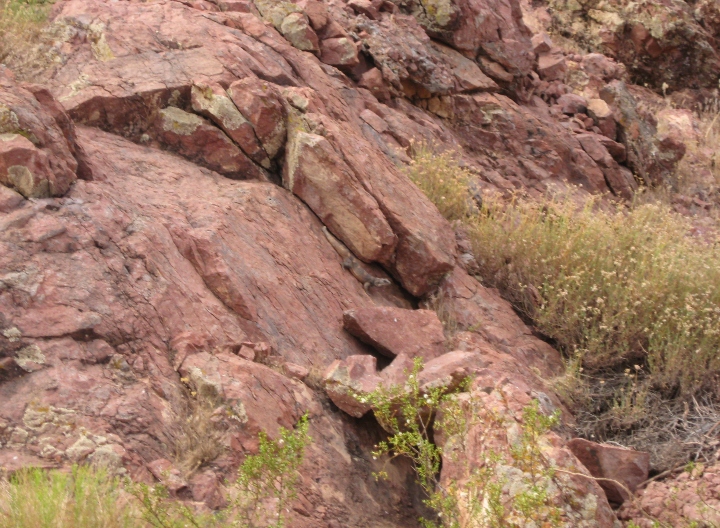
Lava rocks are an excellent place to look for one of America's largest lizards - the Chuckwalla.
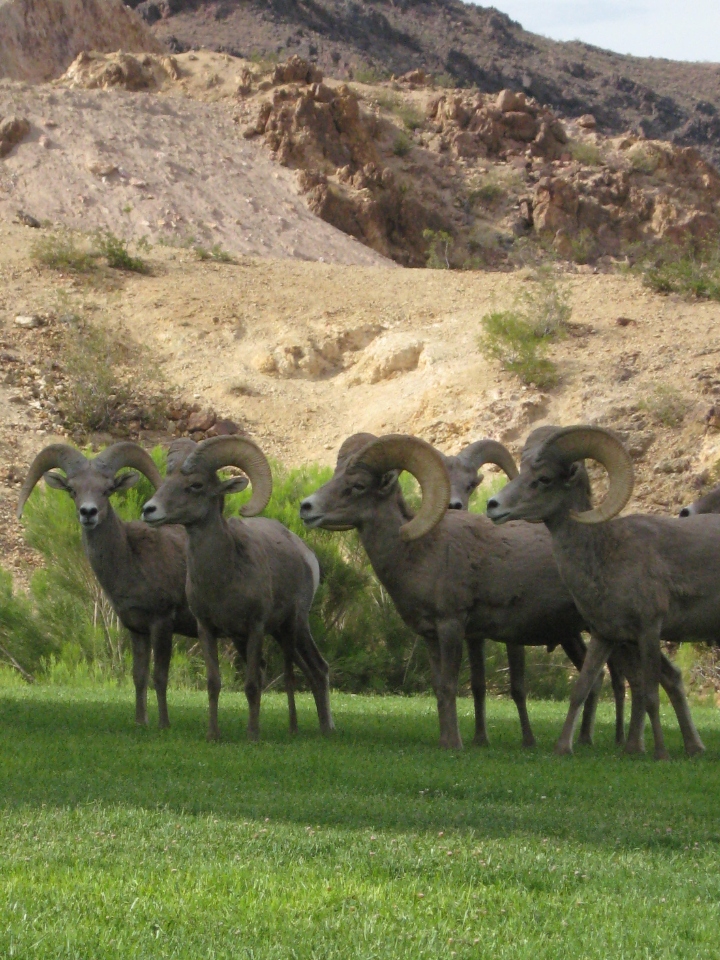
Desert Bighorn Sheep are highly adapted for desert climates and can go for extended periods without drinking.They are social animals and form herds that are usually 8–10 sheep.
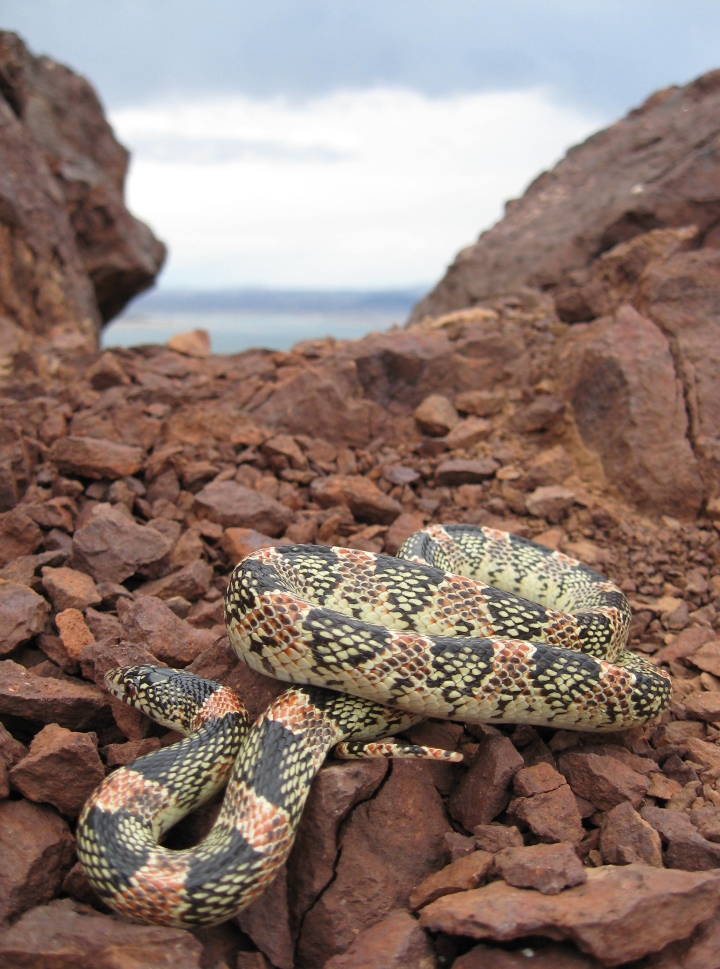
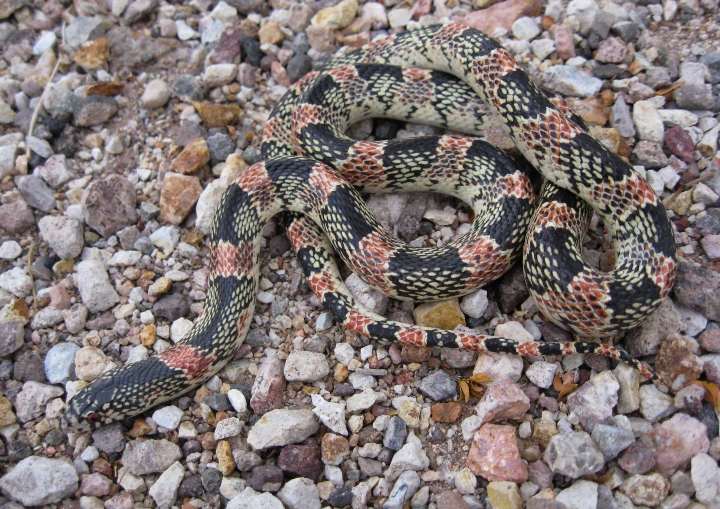
The Longnose Snake is an excellent burrower if the soil is sandy, it can also retreat under rocks or into rock crevices or rodent burrows, if necessary.
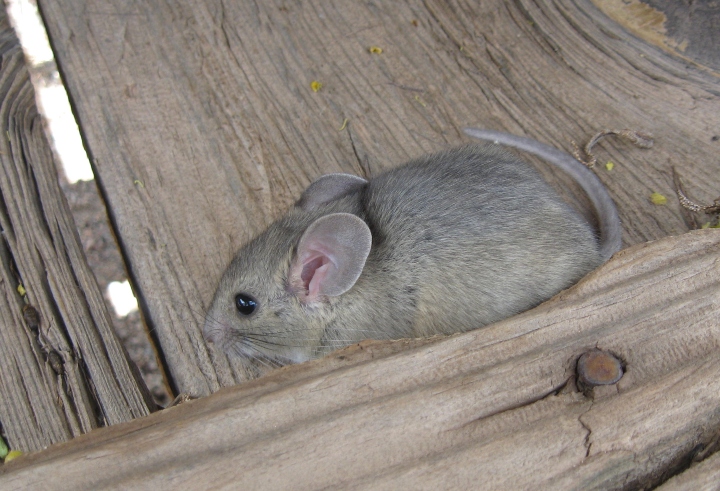
Small mammals were regularly encountered on my outings, these included Jackrabbits, Kangaroo Rats, Desert Cottontails and Woodrats.
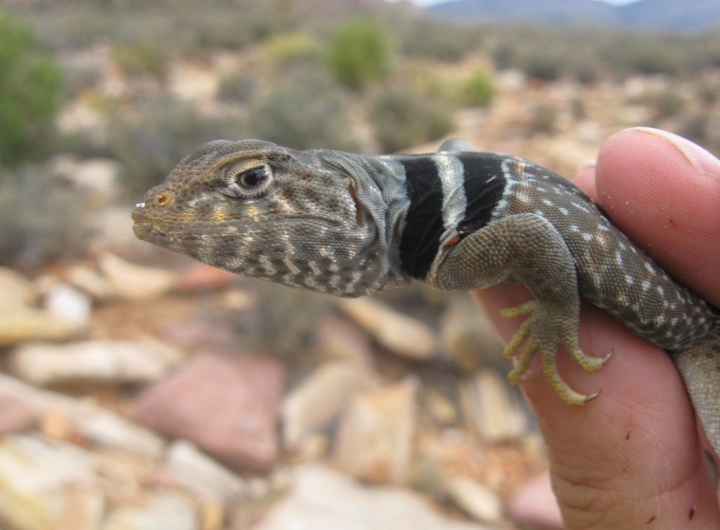
The Collared Lizard is well-named.
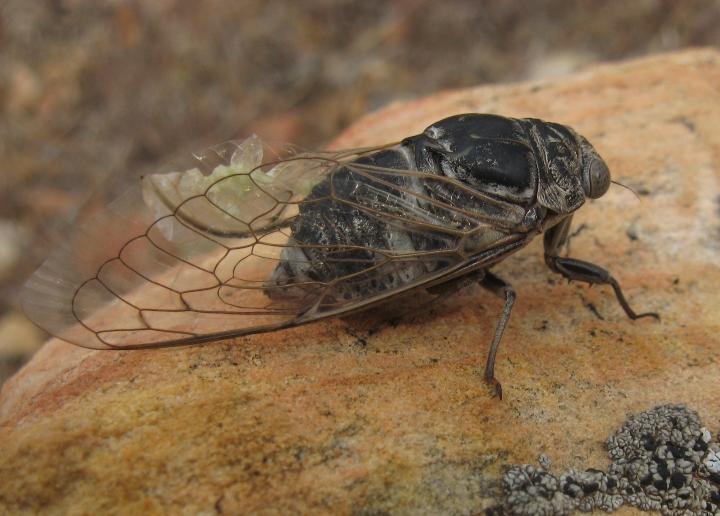
Desert Cicada.
Another fine Longnose Snake.
A large-sized Darkling Beetle found while looking for herps.
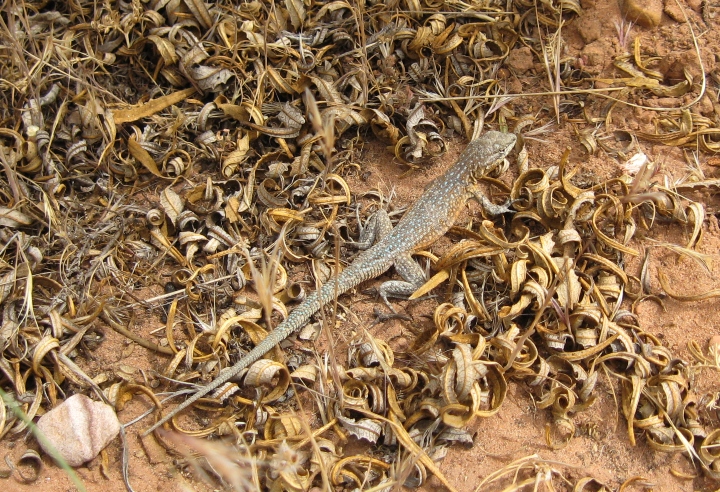
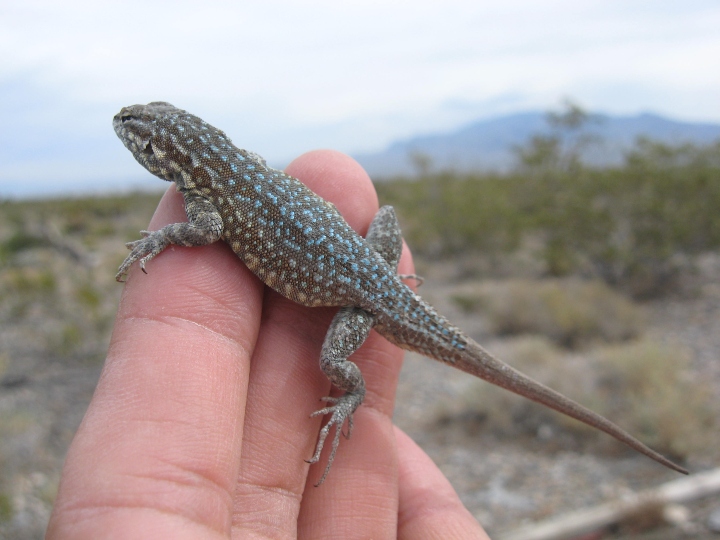
Side-blotched Lizards can exhibit a number of different colors.
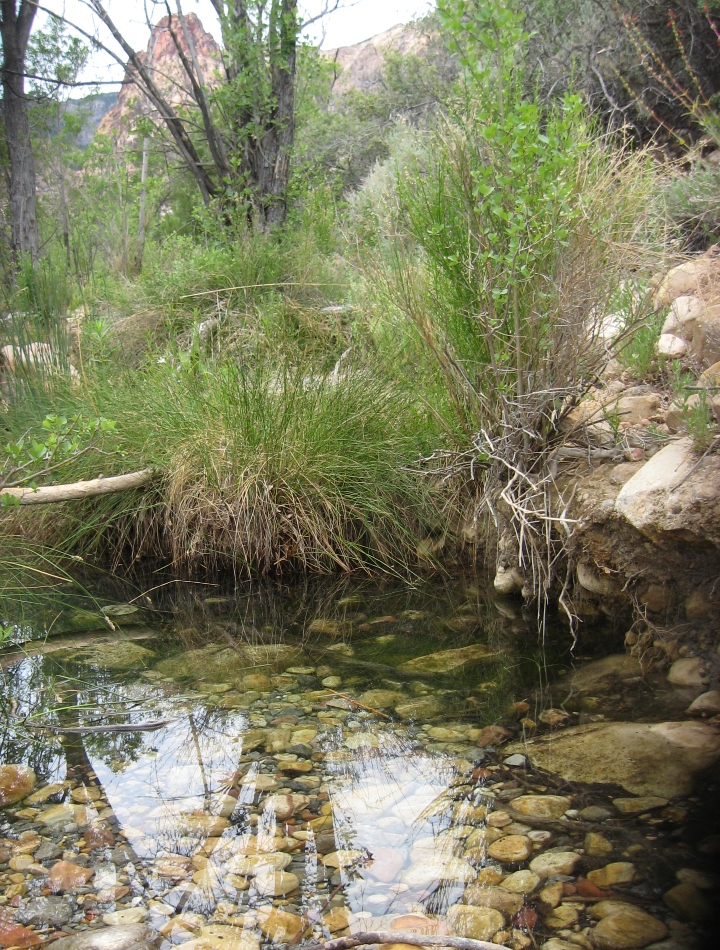
A creek in Red Rock Canyon.
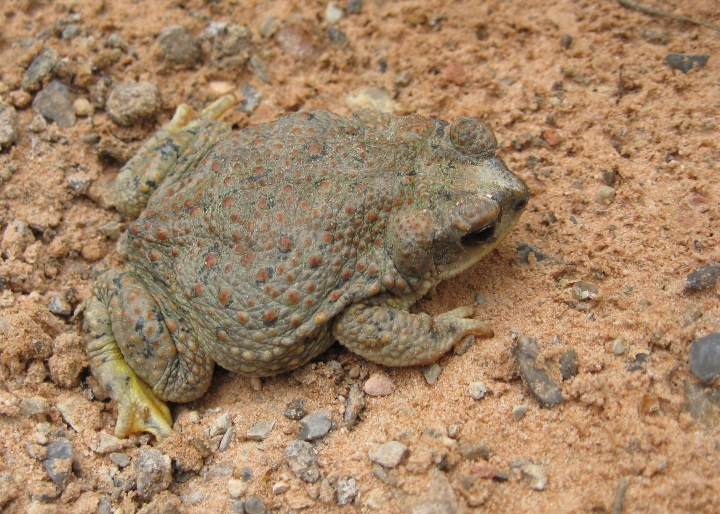
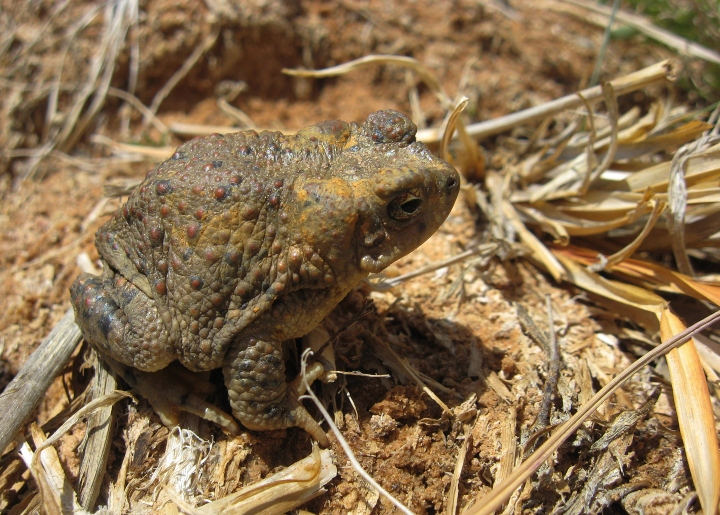
Red-spotted Toads are very well adapted to life in an arid environment. They can survive a 40% loss of body water
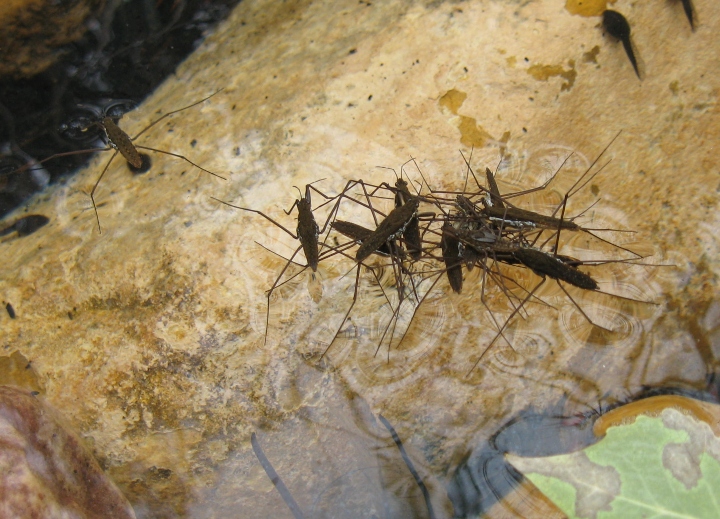
Water Striders garthering to eat something they found on the water's surface.
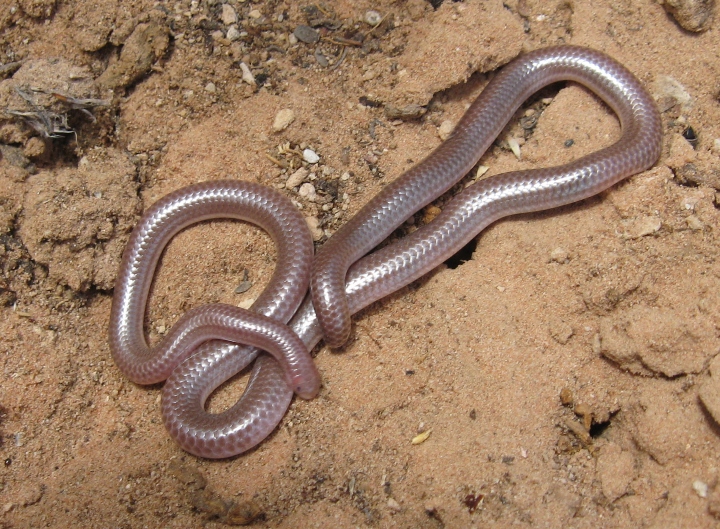
The Western Blind Snake is a small serpent, which is about as thick as a pencil lead on average, reaches a maximum length of 16 inches. It is usually pale brown, pink, purplish, or beige with a silver sheen.
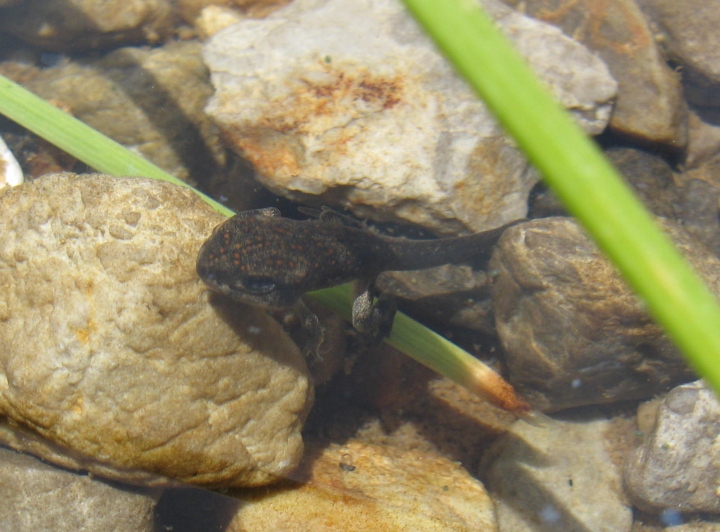
A Red-spotted Toad Tadpole.
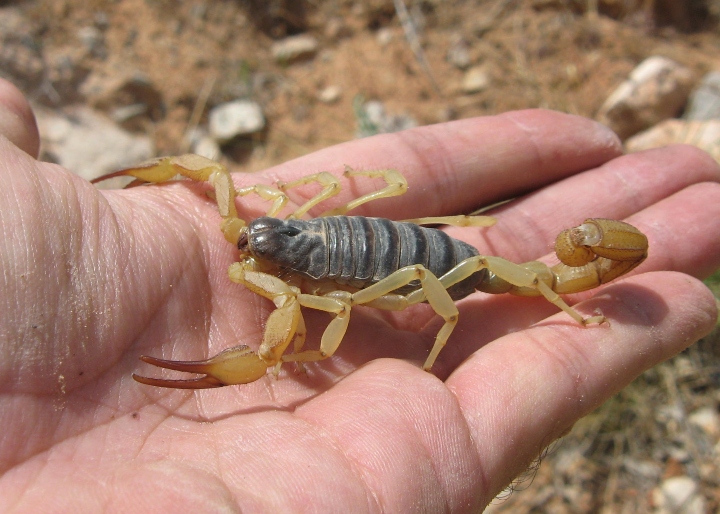
Like other scorpions, the Desert Hairy Scorpion is carnivorous, feeding on insects, lizards, small mammals, and even other scorpions.
Red-spotted Toads often spend the day in rock crevices, and become active at dusk, for feeding and mating.
The Western Banded Gecko is found in a wide range of habitats, including creosote bush and sagebrush desert, and pinyon-juniper woodland.
Side-blotched Lizards are prey for many desert species. Snakes, larger lizards, and birds all make formidable predators to side-blotched lizards. Larger lizard species, such as collared, leopard, and spiny lizards, and roadrunners are the main predators.
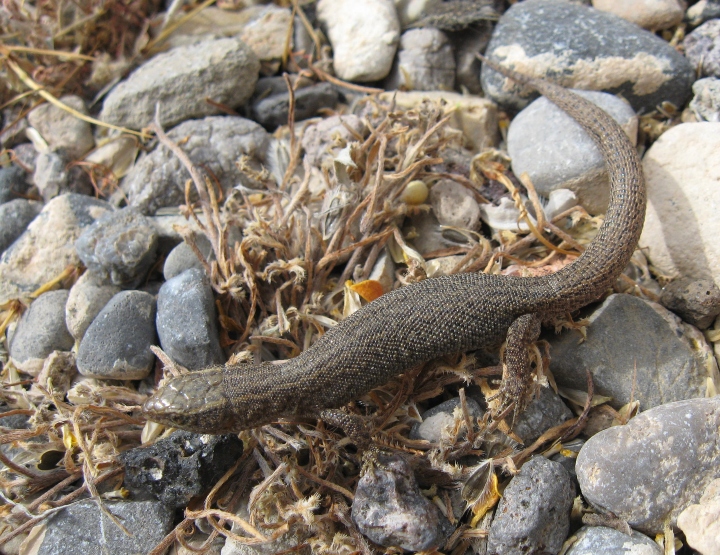
Night Lizards are small, live-bearing lizards. Contrary to the reproductive strategies of most small lizards, they have very low reproductive rates, giving birth to only one or two offspring, after a gestation period of about three months. They generally take several years to reach maturity. However, the very limited lifestyle of night lizards contributes to a high life expectancy.
Western Banded Geckoes prey on small insects and spiders, and is one of the few reptiles that control scorpion populations by eating baby scorpions
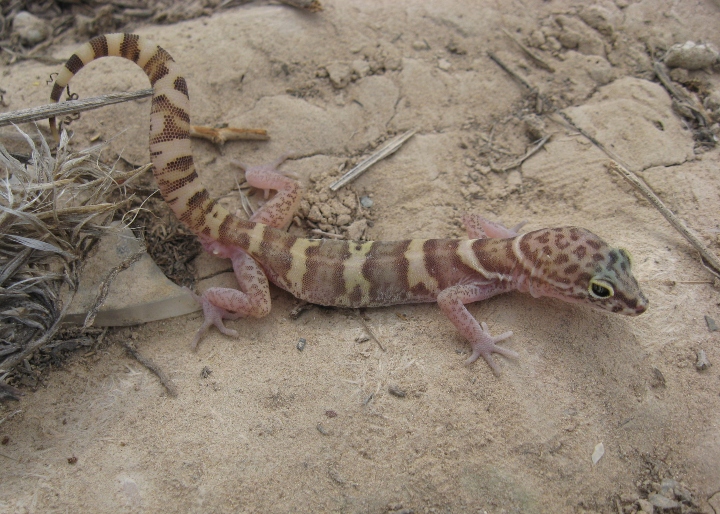
Desert Spiny Lizards have pointed scales and will often run up into trees (when available) to escape being caught.
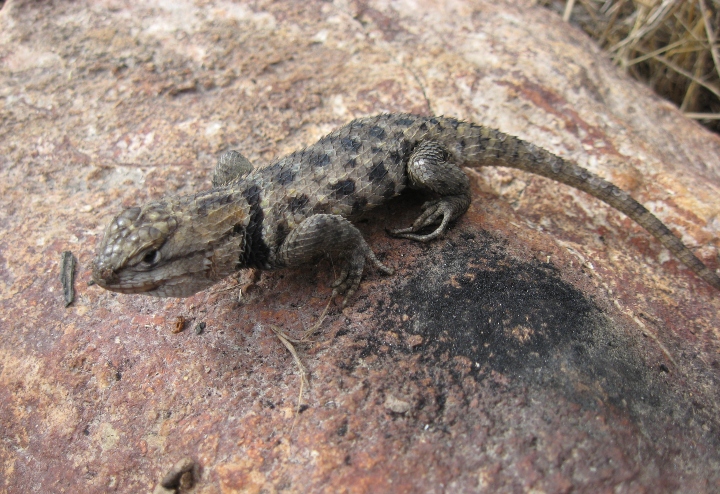
I caught this Desert Spiny Lizard.