SANTA CRUZ MOUNTAINS
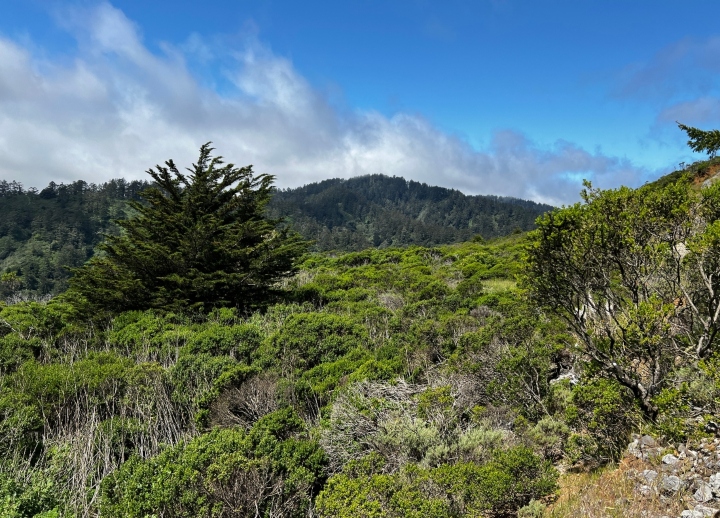
I arrived on May 2nd for a week of herping in the Golden State. Here is the first habitat that I explored in the Santa Cruz Mountains.
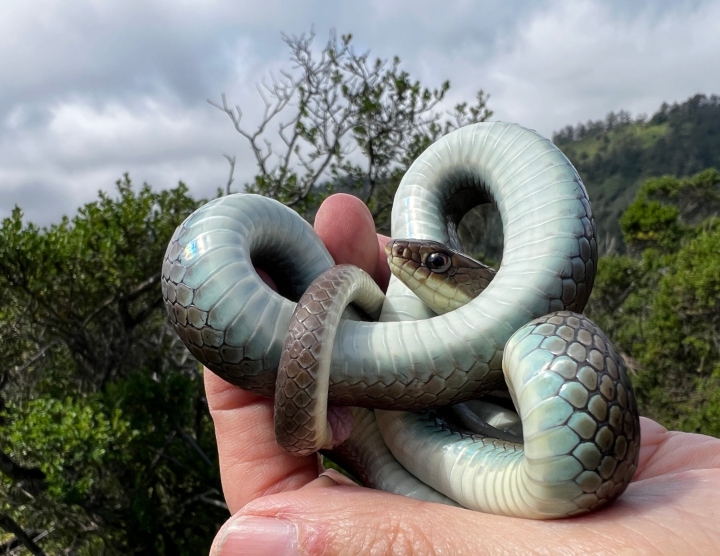
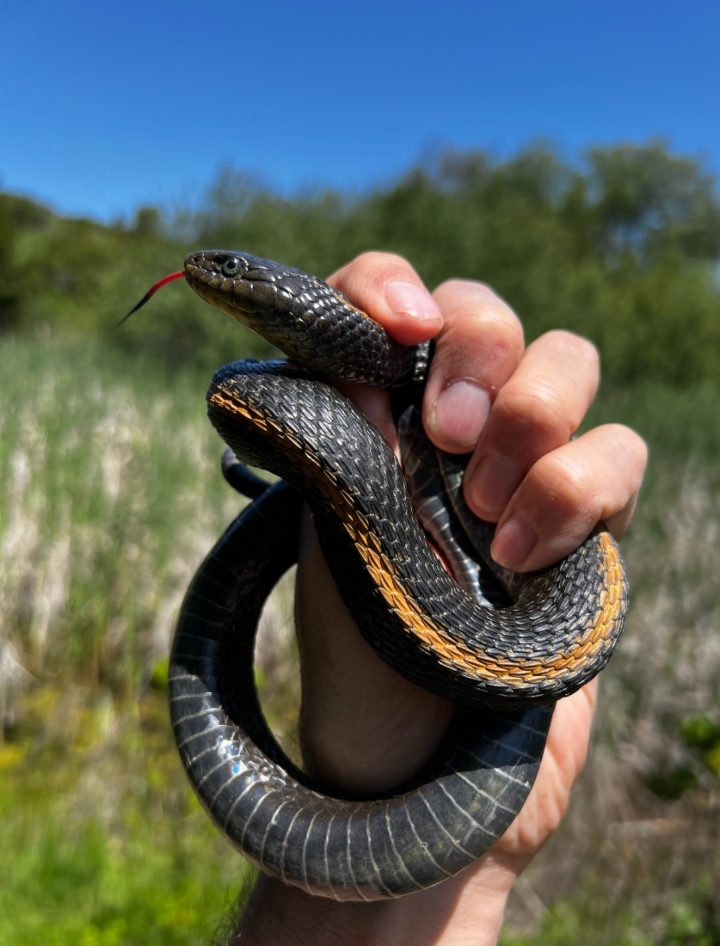
The most commonly seen snakes on the trip were Western Yellowbelly Racers, though this one lacked a yellow underside.
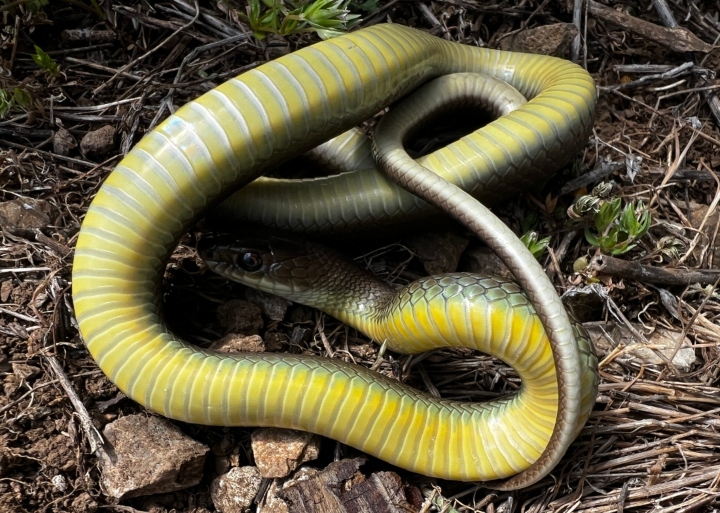
A Western Yellowbelly Racer living up to its name. These snakes eat snakes, lizards, rodents, birds and amphibians.
A Coast Garter Snake found in the Santa Cruz Mountains. Sometimes known as the Terrestrial Garter Snake, is can be found quite some distance from water.
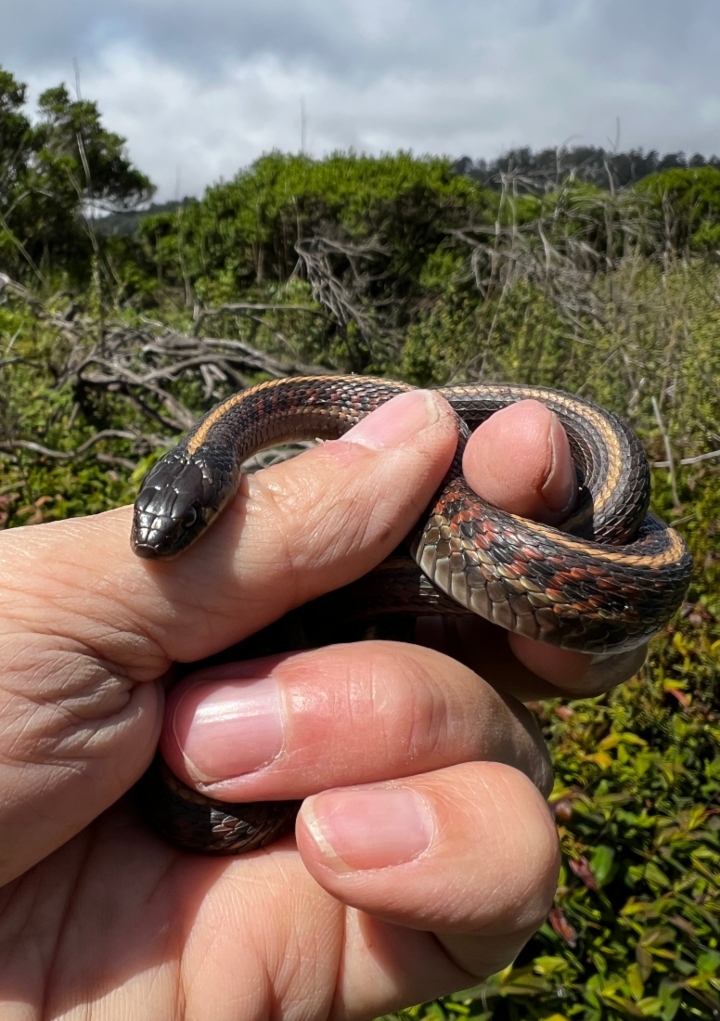
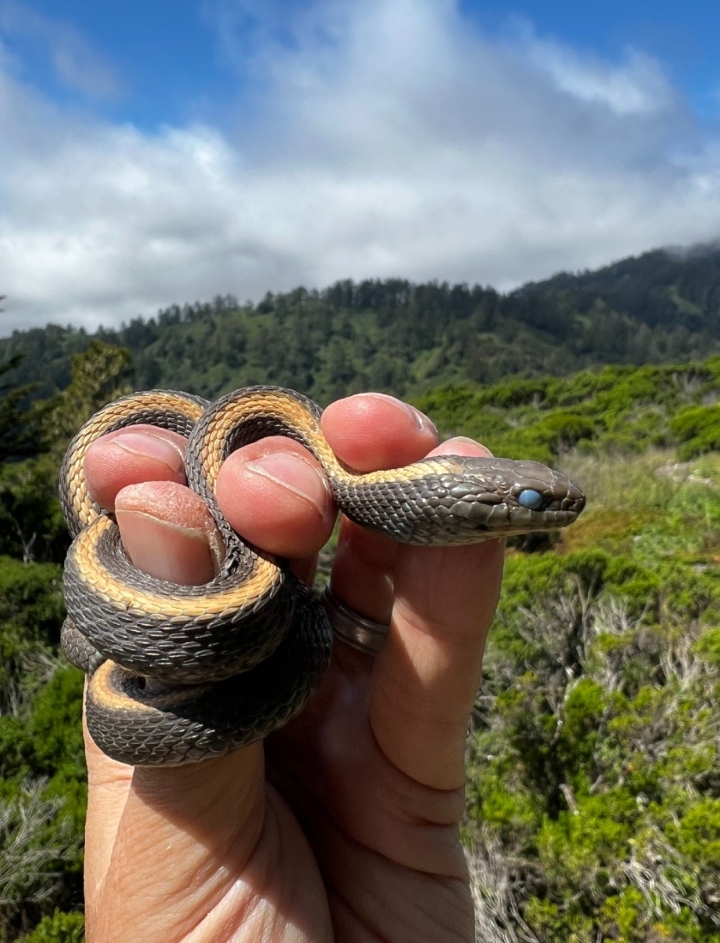
This Santa Cruz Garter Snake was going through a shed cycle, as evidenced by its cloudy blue eyes.
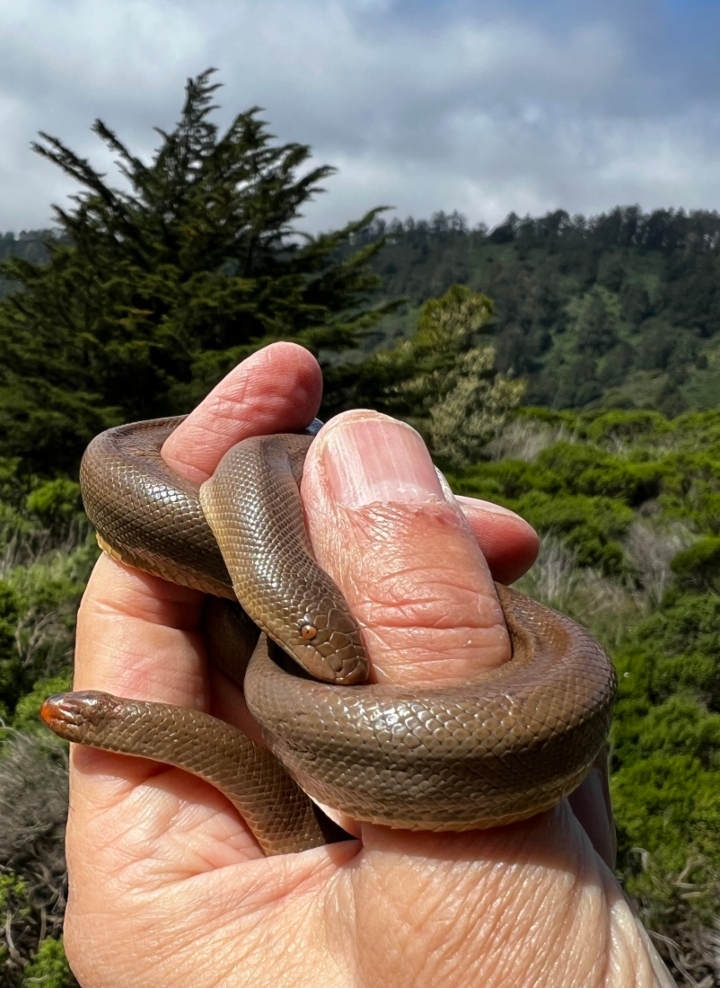
A Rubber Boa in the Santa Cruz Mountains. The Rubber Boa is shy and rarely attempts to bite when caught. It is slow-moving and tends to curl up in a ball and hide its head when confronted with danger that it cannot escape from.
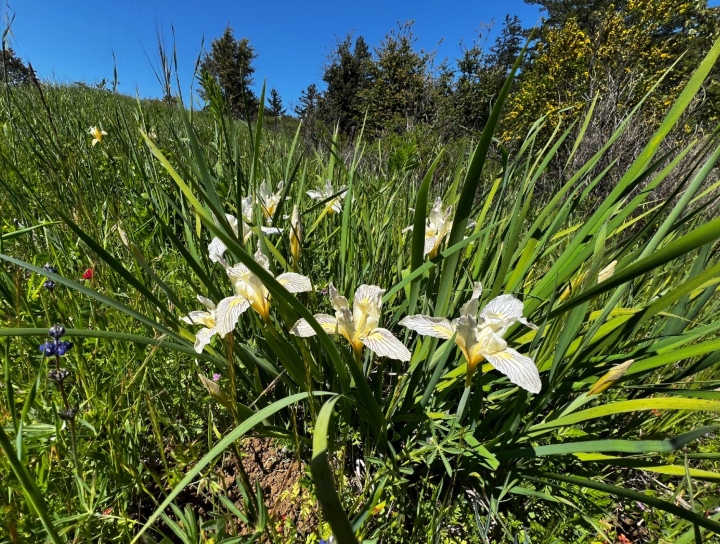
Fernald's Iris was a common sight in many of the habitats that I visited.
A hefty black-bellied Santa Cruz Garter Snake. These reptiles are often found near water and mainly eat amphibians and fish.
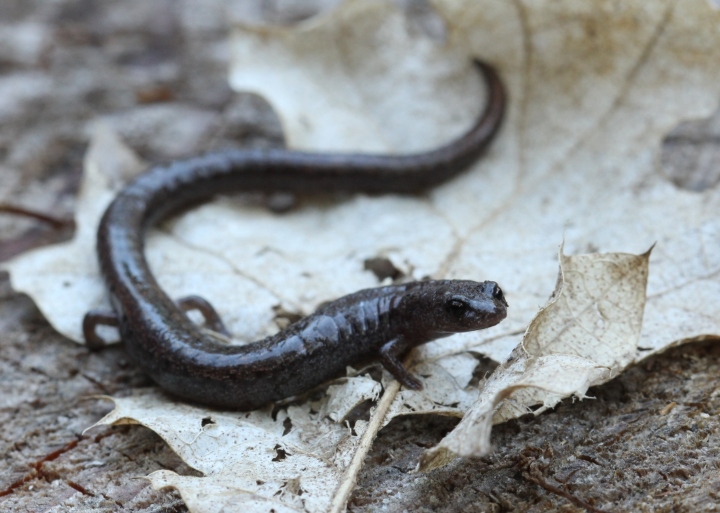
The California Slender Salamander is a lungless amphibian that is found primarily in coastal mountain areas of Northern California.
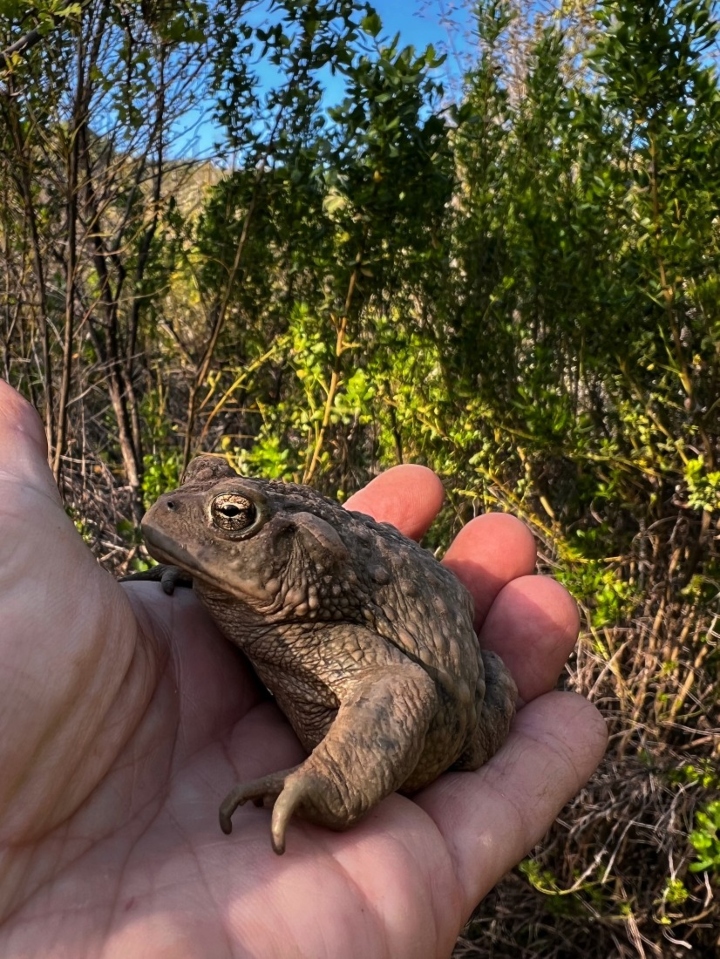
The California Toad is large and robust with dry, warty skin. It is slow moving, often getting about by walking or crawling instead of hopping.
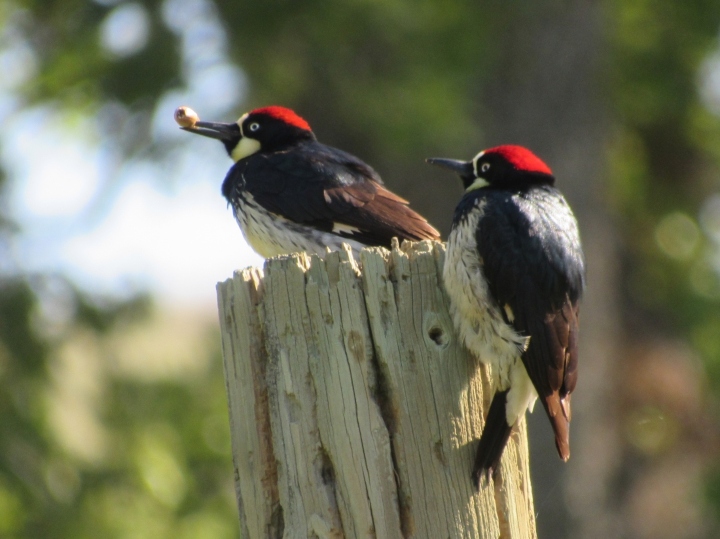
Acorn Woodpeckers retrieving acorns from a fence post.
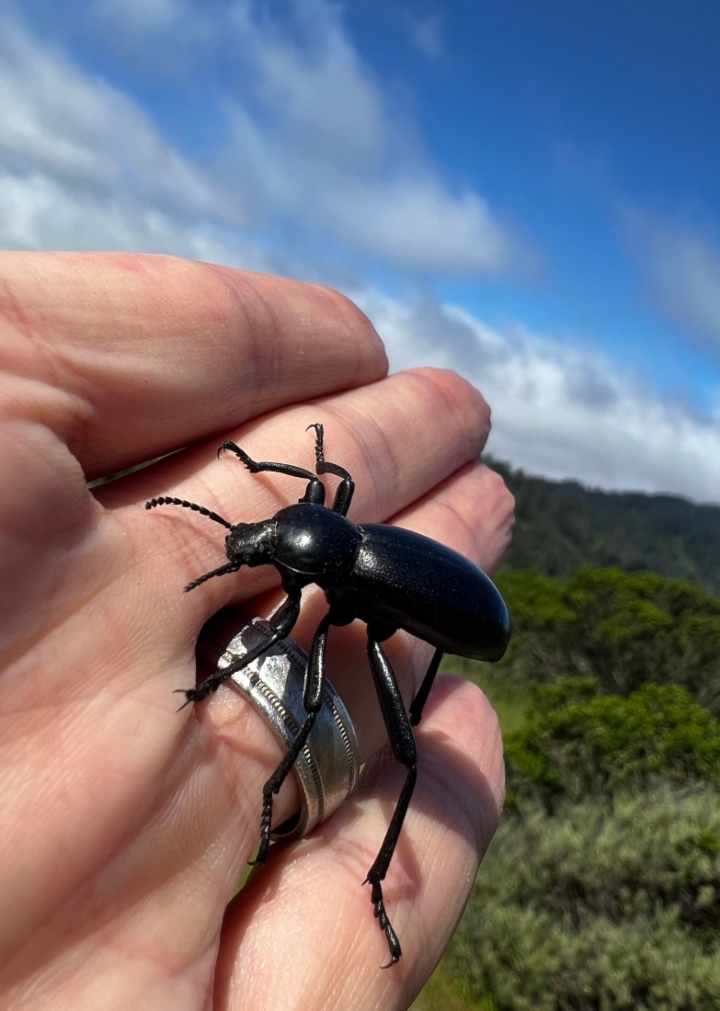
I came across several varieties of Darkling Beetles - this was the largest of them.
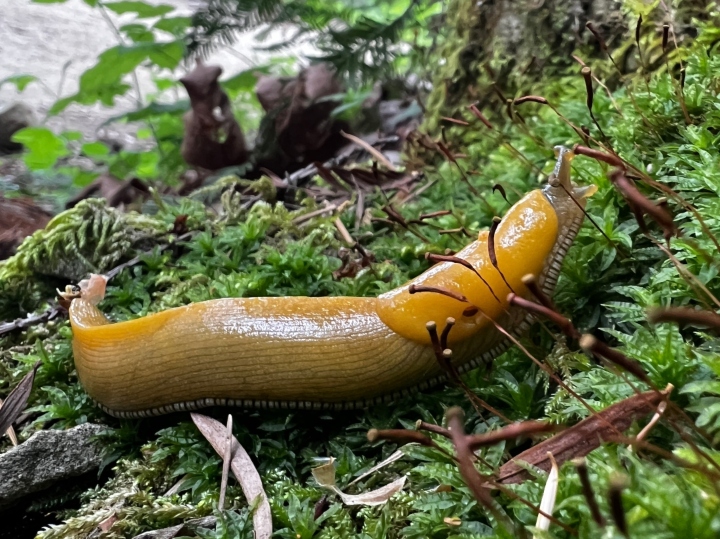
A Banana Slug in the Santa Cruz Mountains. They use two pairs of feelers to sense their environment. The larger, upper pair, termed “eyestalks,” are used to detect light or movement.
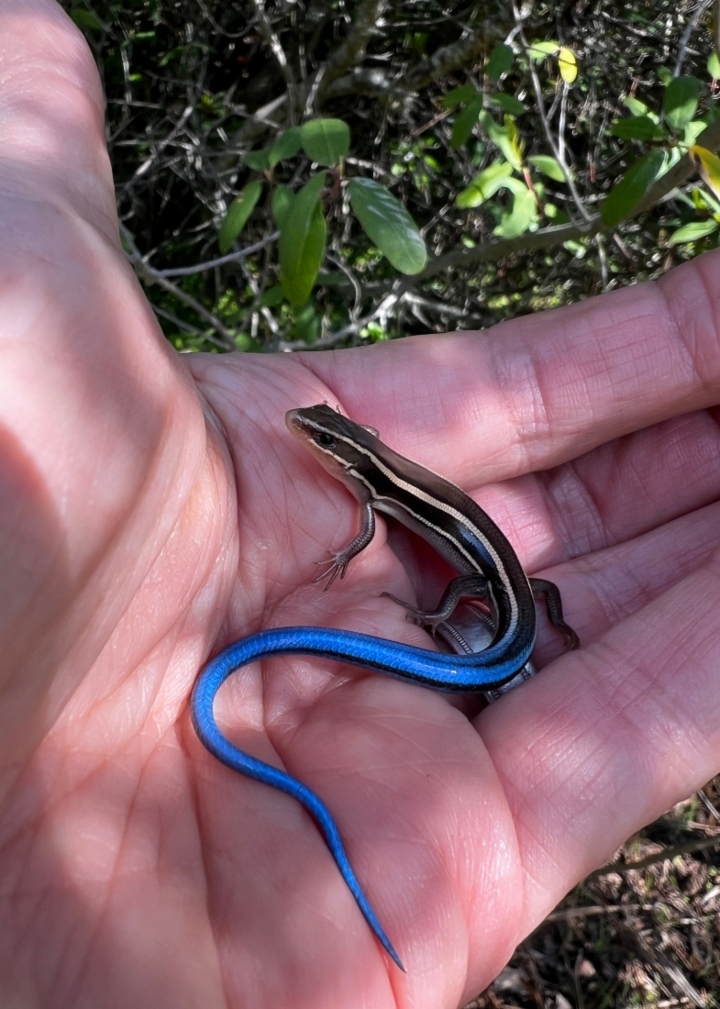
Young Western Skinks have bright blue tails that easily break off as a way to distract predators.
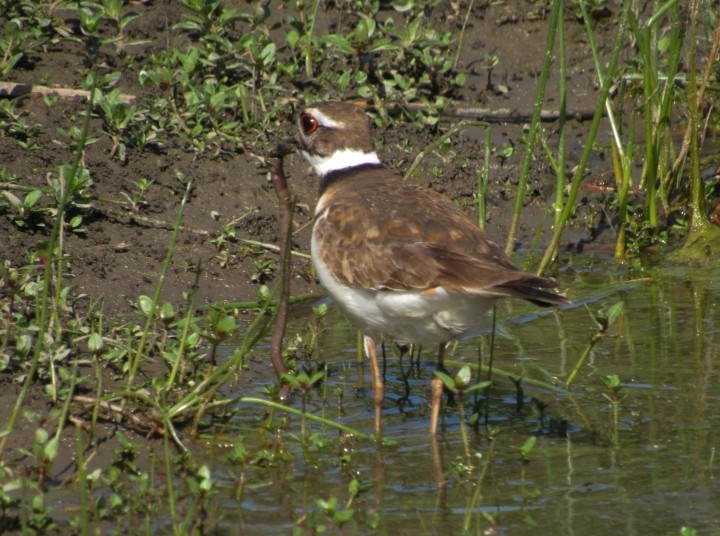
A Killdeer pulling a large worm out of the mud along the shore of a lake.