Herping Snake Road (and the surrounding area) September 27 - October 3.
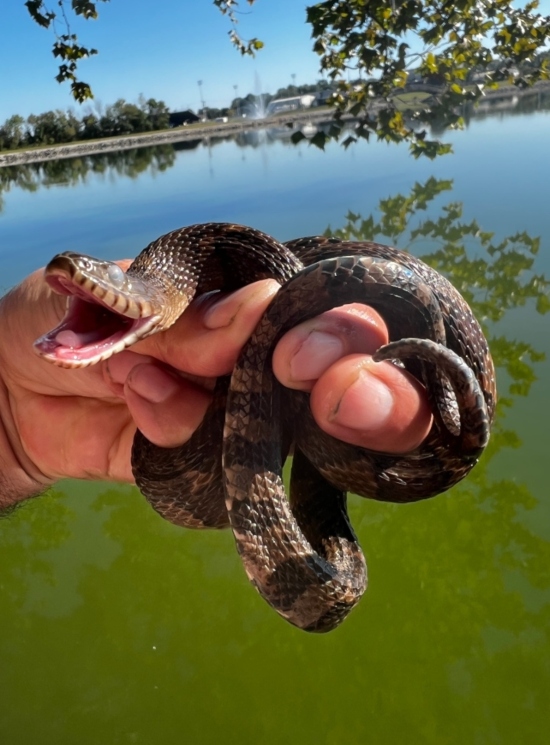
A Midland Water Snake in a public fishing area off the side of a road in central Illinois. Several Midlands were seen here - these snakes are adaptable to areas frequently used by humans.
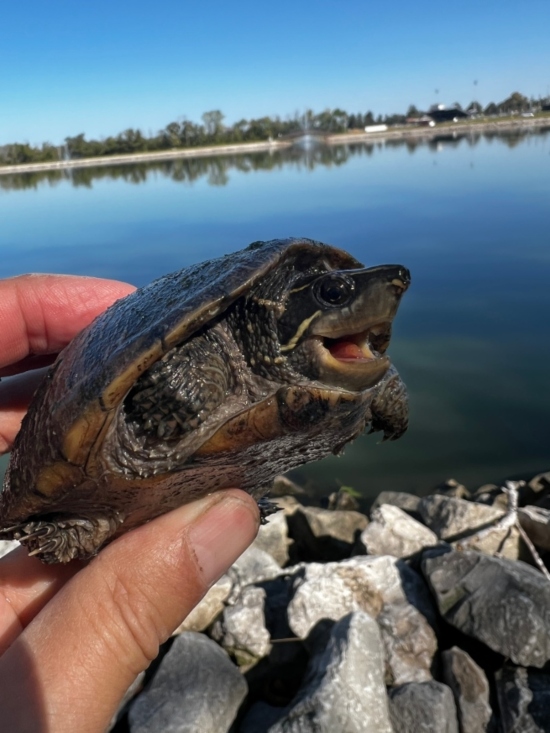
A few Stinkpots were seen in the area as well. These small, cantankerous turtles can release a bad odor if provoked.
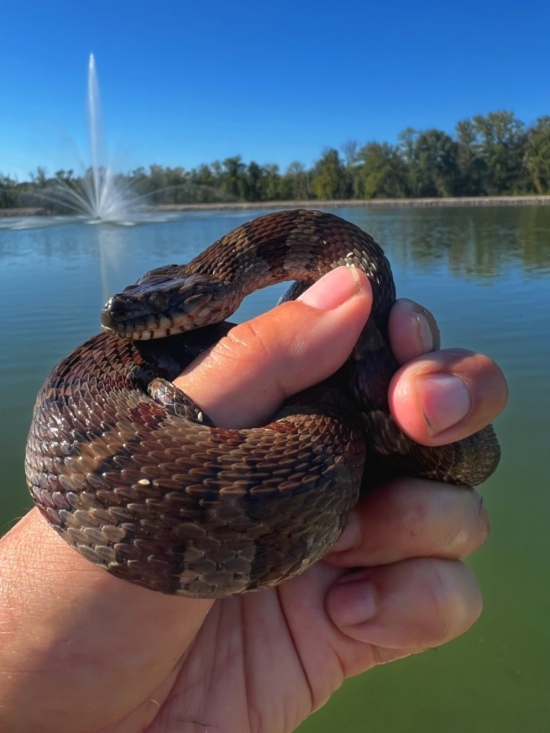
Midland Water Sakes are very similar to the Northern Water Snakes that live in my home state of Ohio, but they retain their pattern into adulthood, while the Northerns tend to turn a solid dark gray.
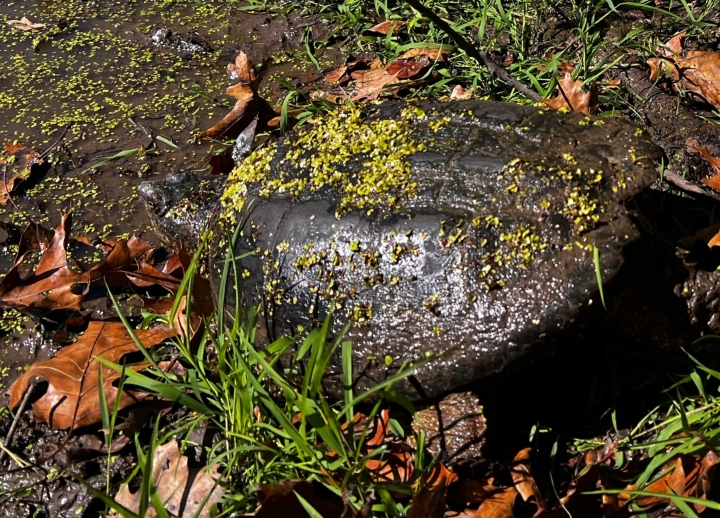
A Common Snapping Turtle seen going into a muddy pond near St. Louis, Missouri.
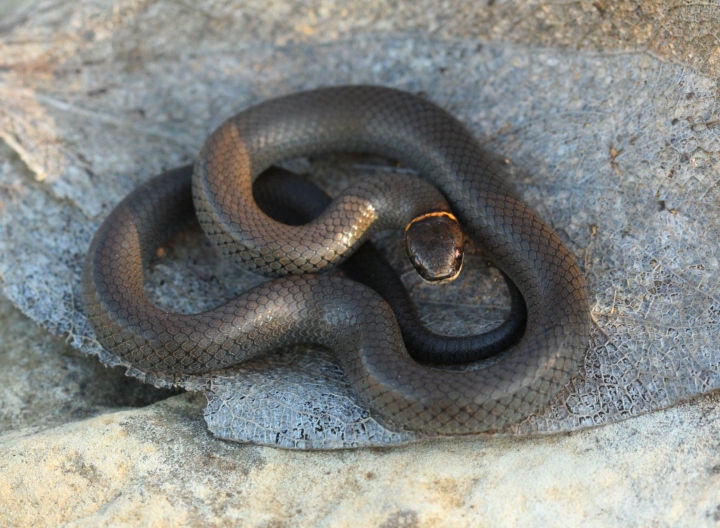
Ringneck Snakes are easily recognizable by their small size, uniform dark color on the back, bright yellow-orange belly, and distinct yellow ring around the neck.
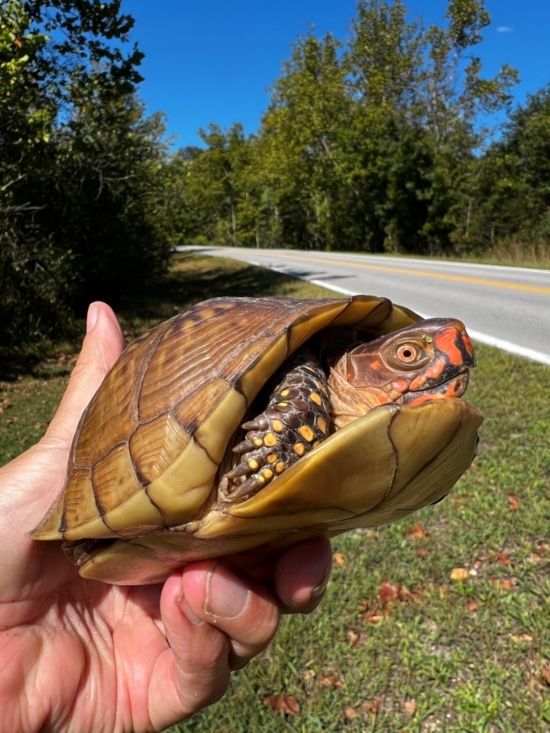
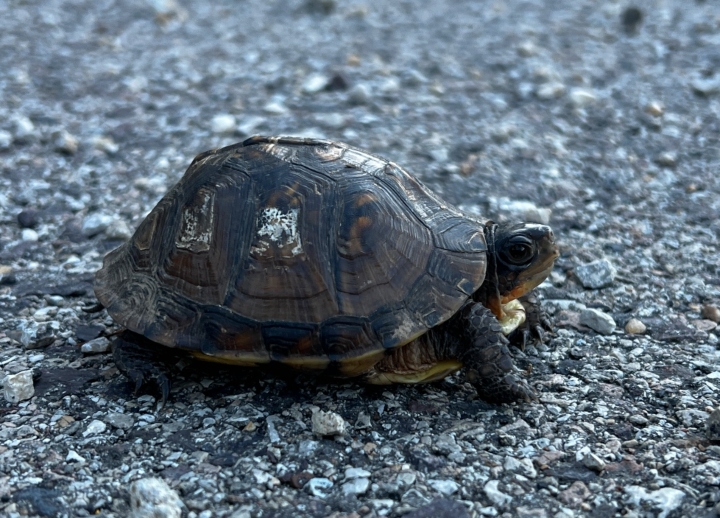
Three-toed Box Turtles are named due to the number of toes on the back feet, though there can be four-toed examples too. A fair number of Box Turtles were seen crossing roads on this trip.
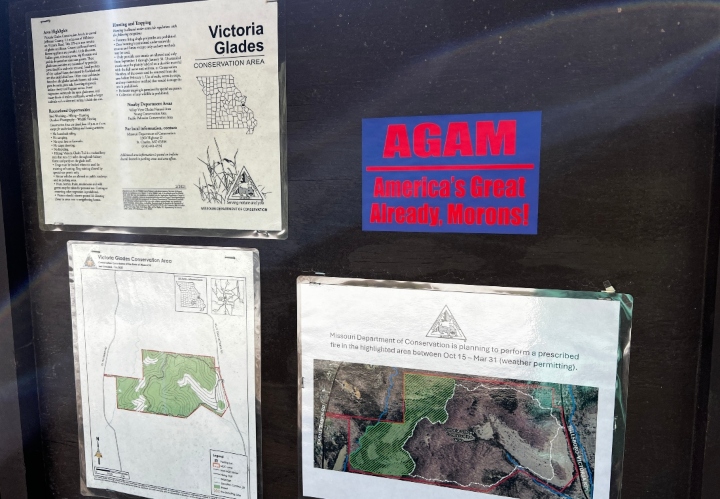
Victoria Glades is a great herping spot.
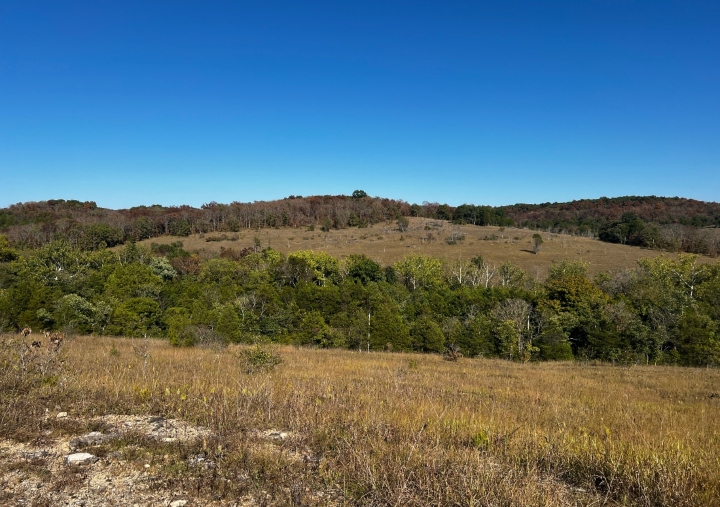
Glades are open, rocky areas usually located amid upland woodlands. Their high location, thin soils, exposed rocks, few trees, and south- or west-facing aspect makes them hot and dry.
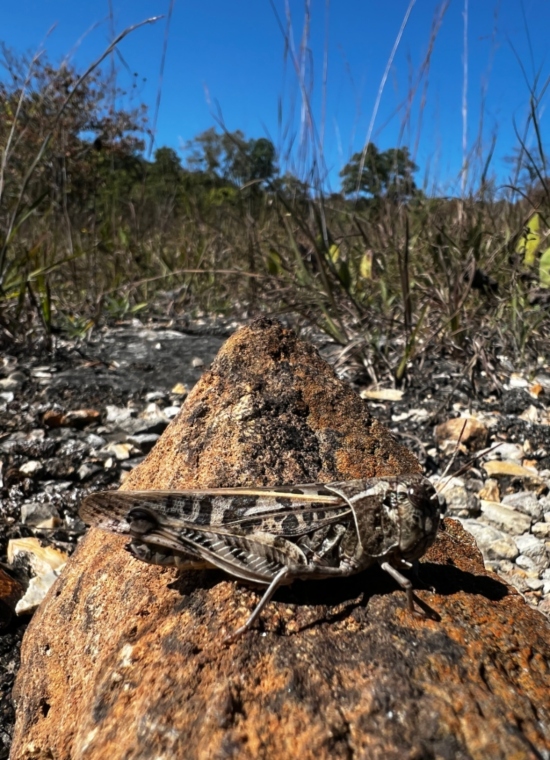
Known generally as the Haldeman's Grasshopper or Haldeman's Locust, this is a species of band-winged grasshopper. There are many types of grasshoppers that can be found in glades habitats.
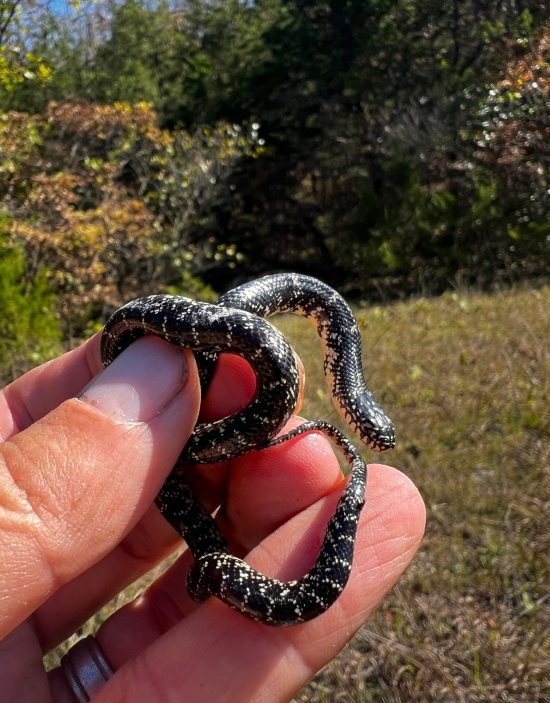
Speckled Kingsnakes are not only common in relatively undisturbed habitats, but often are also common in agricultural areas, particularly around buildings and junkyards.
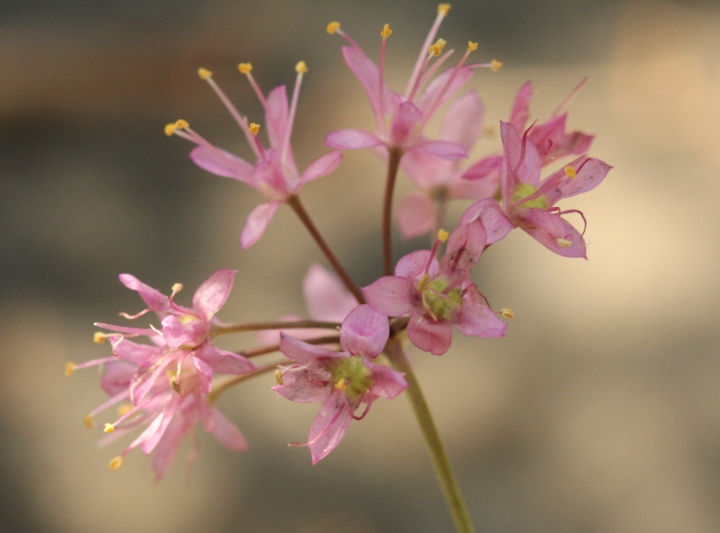
Nodding Onion was in bloom and frequently seen.
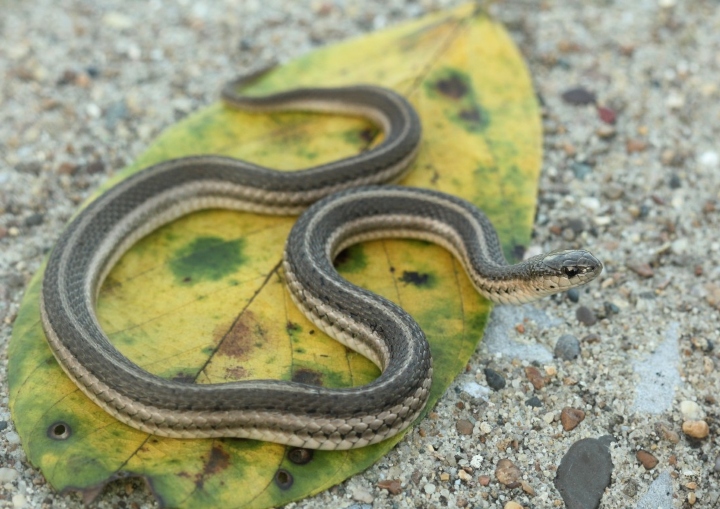
Lined Snakes live in a wide variety of habitats, such as prairies, glades, empty lots in towns and suburbs, near old trash dumps, along highways where there is abundant debris for shelter, and in open, rocky woodlands.
A young female Eastern Box Turtle that I helped across a four-lane highway.
Click here to see Part 2
|