ROADHUNTING & PAHRANAGAT NATIONAL WILDLIFE REFUGE
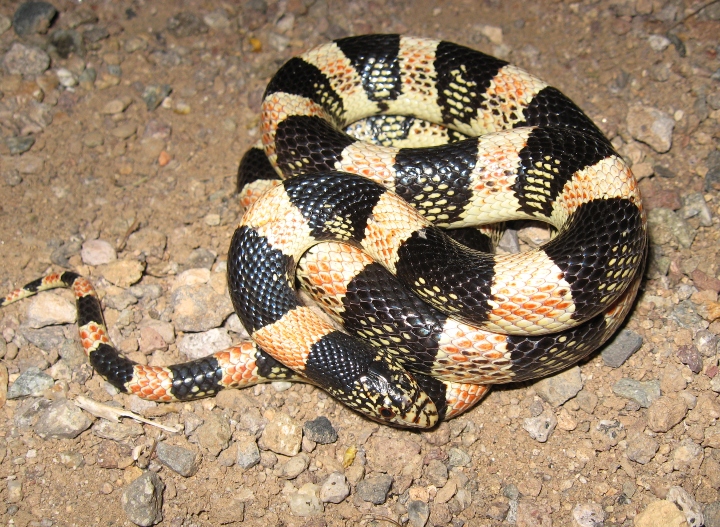
My first find was found while roadhuntung near Searchlight, Nevada. The Longnose Snake has considerable variation in pattern and color, but generally this snake is banded or blotched with black, white, and usually red; red may be entirely absent in some individuals.
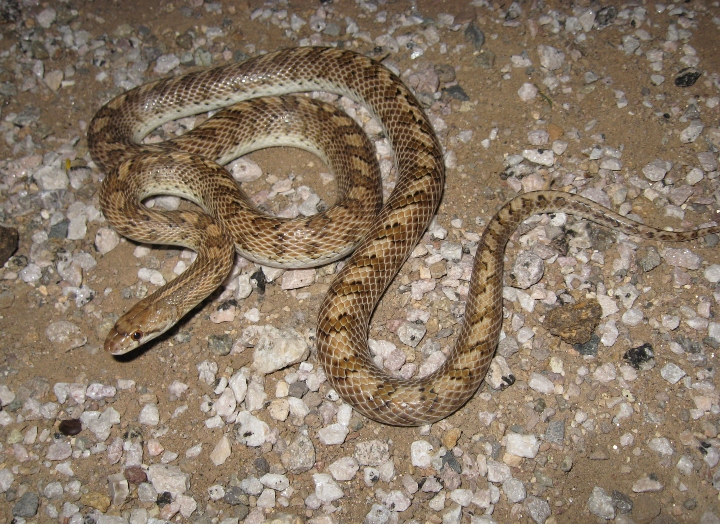
Similar in appearance to a Gopher Snake, the Glossy Snake is smaller, with a more pointed head, and has a more faded coloration and smoother scales.
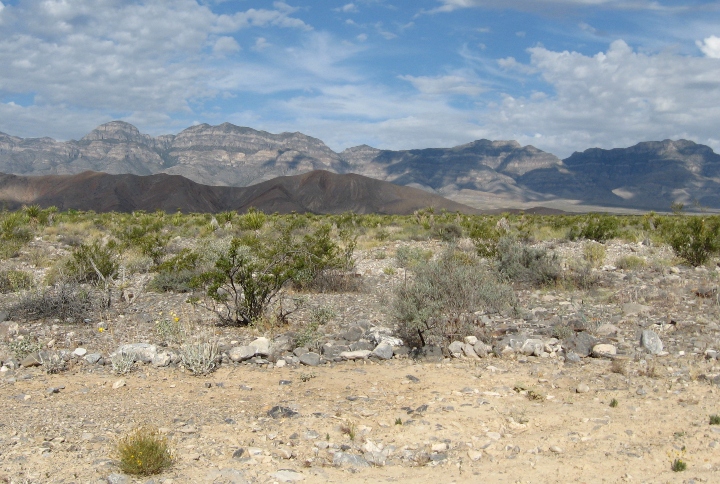
Typical scrub habitat where a variety of lizards can be found.
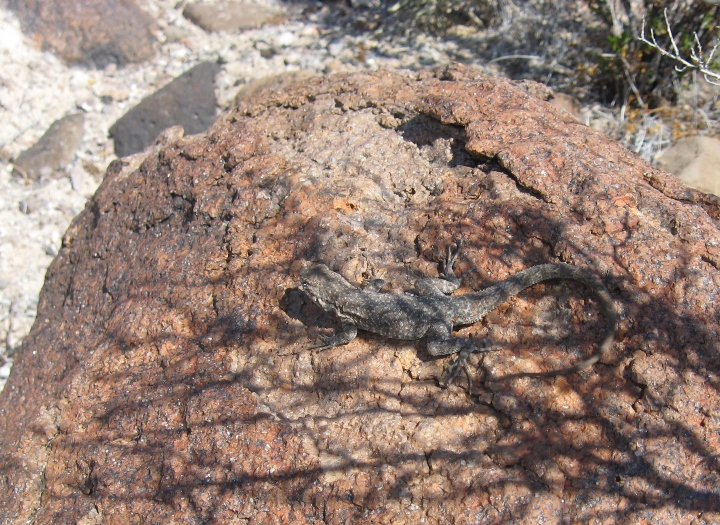
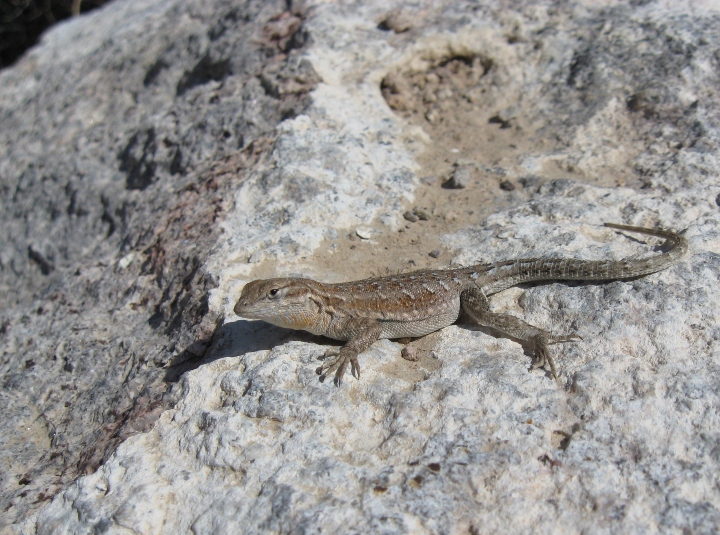
The Side-blotched Lizard is by far the most commonly encountered reptile species - it is small and adapt well to residing near humans.
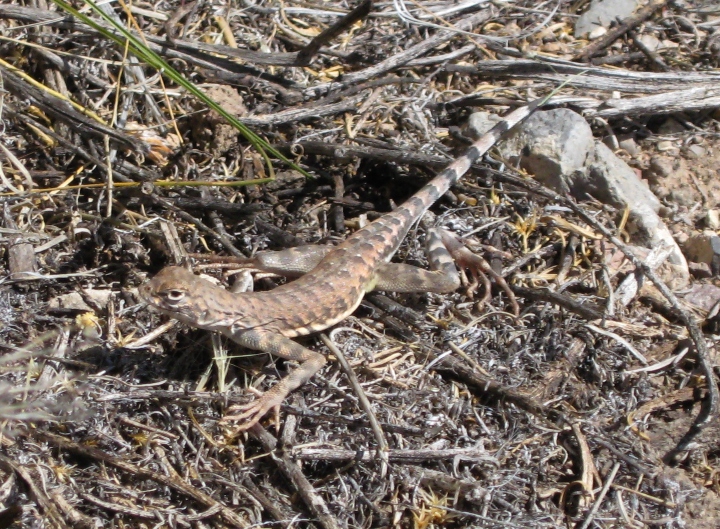
Zebra-tail Lizards are the fastest lizards in the Mojave Desert.
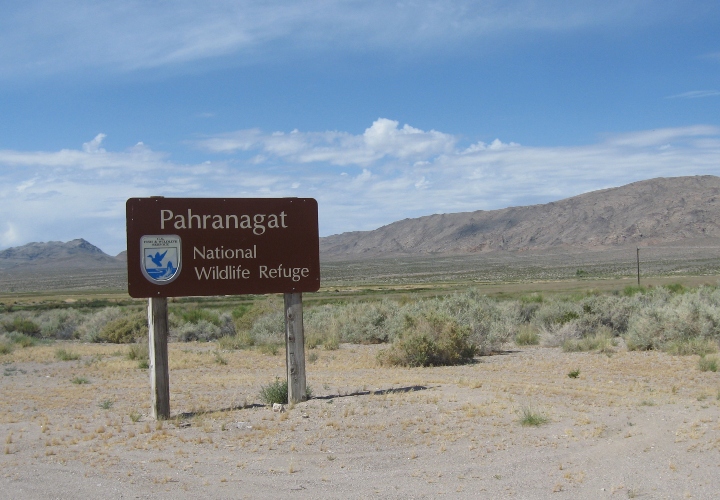
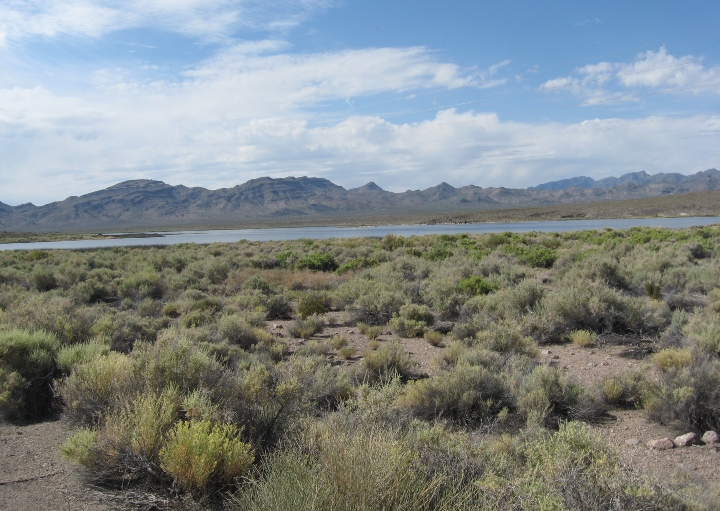
I made my first visit to Pahranagat National Wildlife Refuge.
The refuge has a sizable body of shallow water.
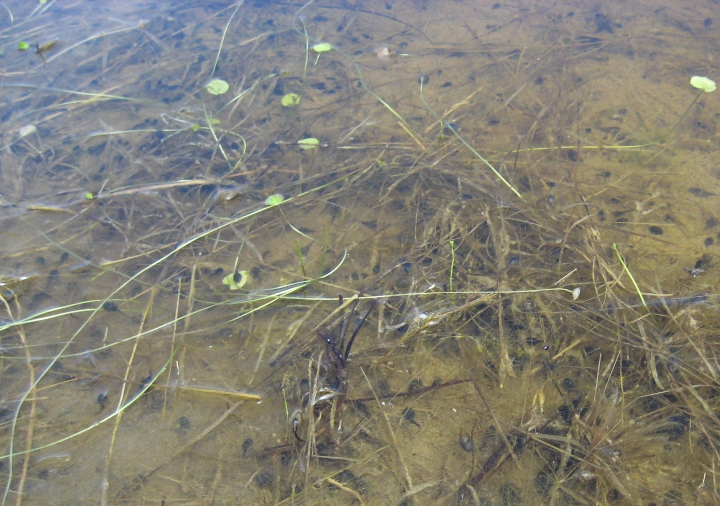
Toad tadpoles near the shoreline.
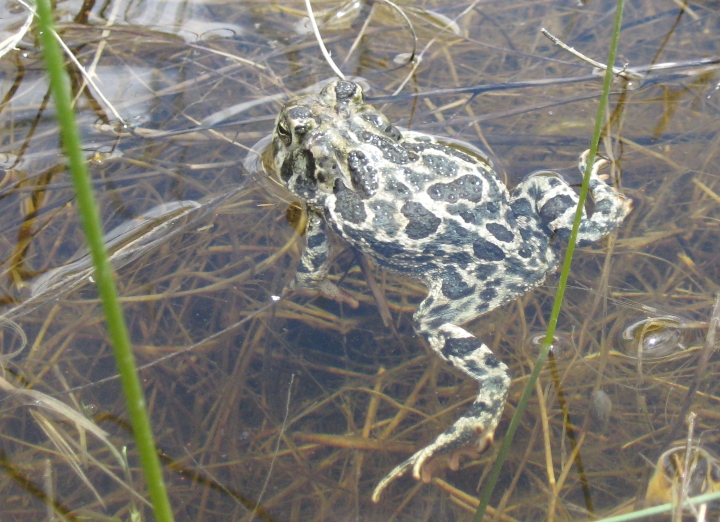
A "lifer" Great Plains Toad.
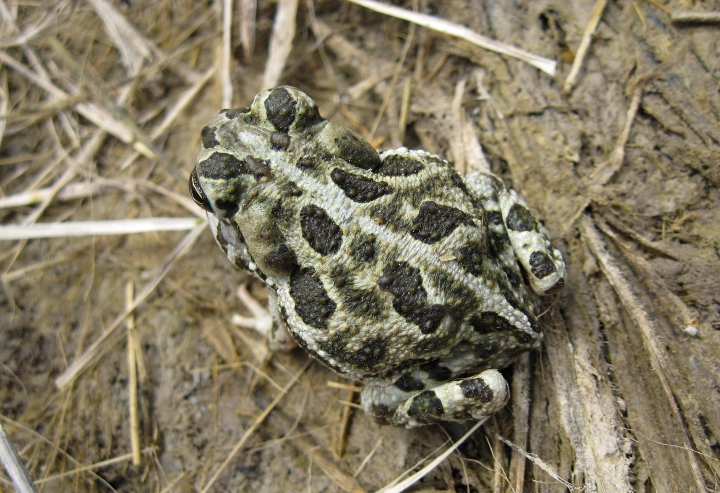
The Great Plains toad is grey, brown, and green in color, with darker colored blotching. It can grow to anywhere between 2 and 4-1/2 inches in length.
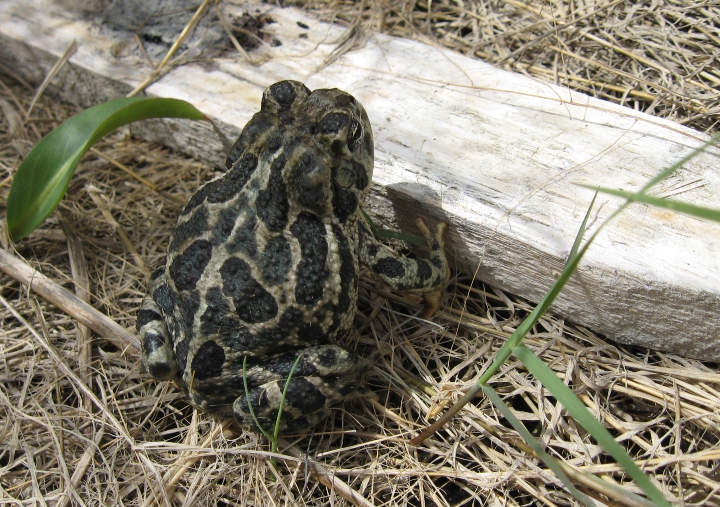
This amphibian occurs in deserts, grasslands, semi-desert shrublands, open floodplains, and agricultural areas. When inactive they burrow underground.
As a diurnal reptile, the Side-blotched Lizard is usually the first lizard species out in the morning due to its small size which allows it to warm up quickly. It is active mostly on the ground, but it is also a good climber.
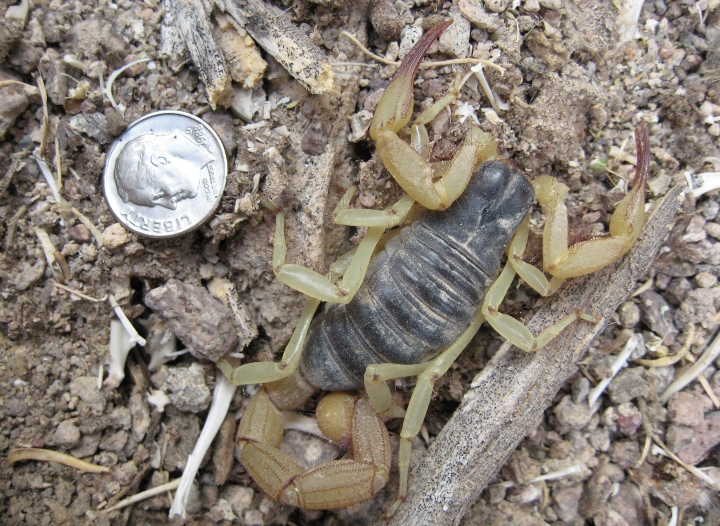
The Desert Hairy Scorpion can grow up to six inches in length and is pale yellow to brown in color.